Introduction: A Generation Rising
Across South Asia, recent years have witnessed a remarkable surge in youth-led political mobilisation. In Sri Lanka (2022), Bangladesh (2024), and Nepal (2025), young people, particularly those belonging to Generation Z, emerged as a powerful collective force challenging entrenched political cultures and governance systems. These mass mobilisations were not abrupt outbursts but the culmination of long-standing and shared grievances among ordinary citizens, especially youth and students, who exercised their agency to confront entrenched political orders, resist authoritarian tendencies, and demand justice, accountability, and transformative change.
In each context, with nearly a quarter of the population comprising youth, young people recognised both their demographic dividend and their political potential. Their collective action sought not only to topple corrupt or authoritarian regimes but also to envision and usher in new political cultures grounded in transparency, agentic participation, and hope. This article presents a comparative analysis of these three movements, illustrating how South Asian youth have exercised collective power in moments of crisis. It argues that these mobilisations, while varied in form and outcome, have achieved notable degrees of political transformation, marking an important regional shift driven by aspirations for peace, justice, and democratic renewal.
Collective Resistance Against Economic and Political Injustice
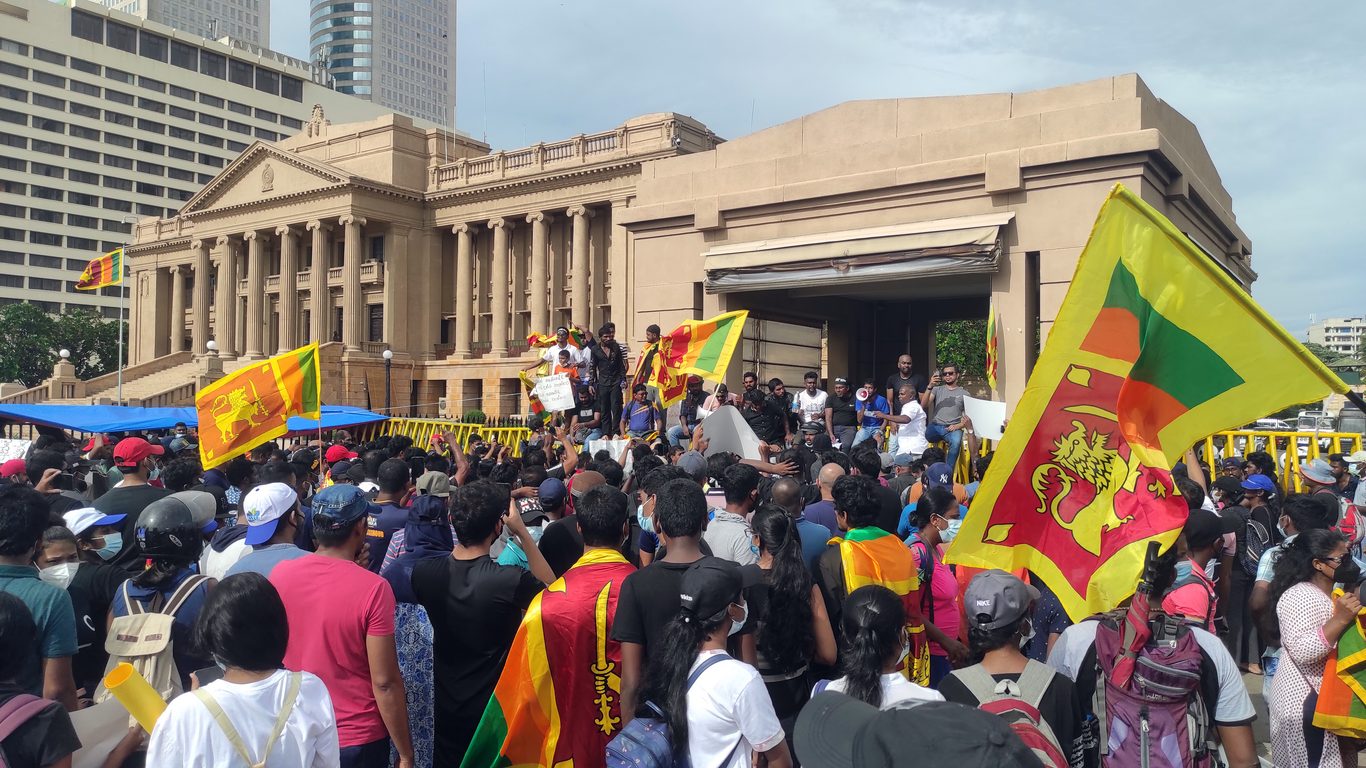
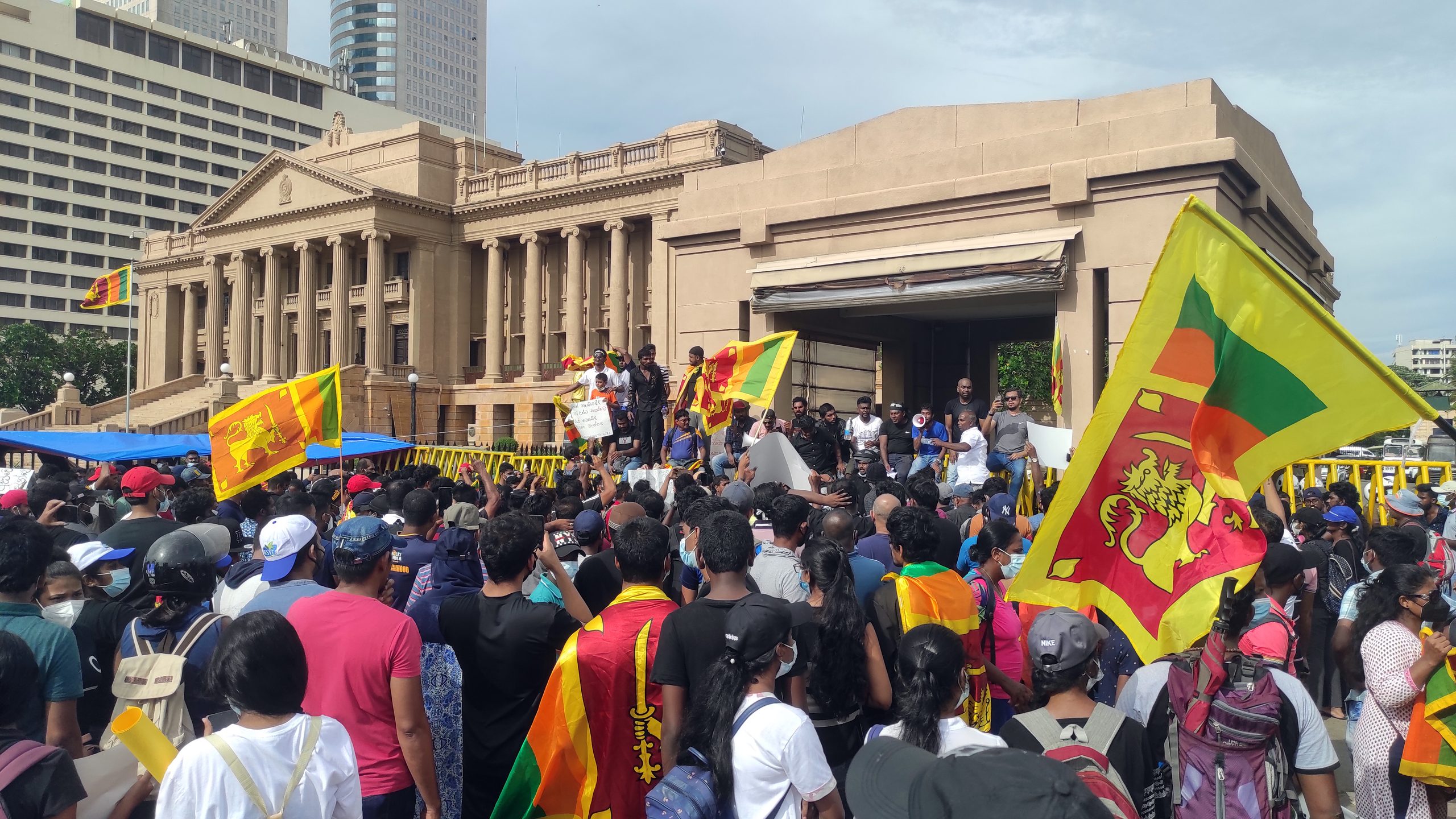
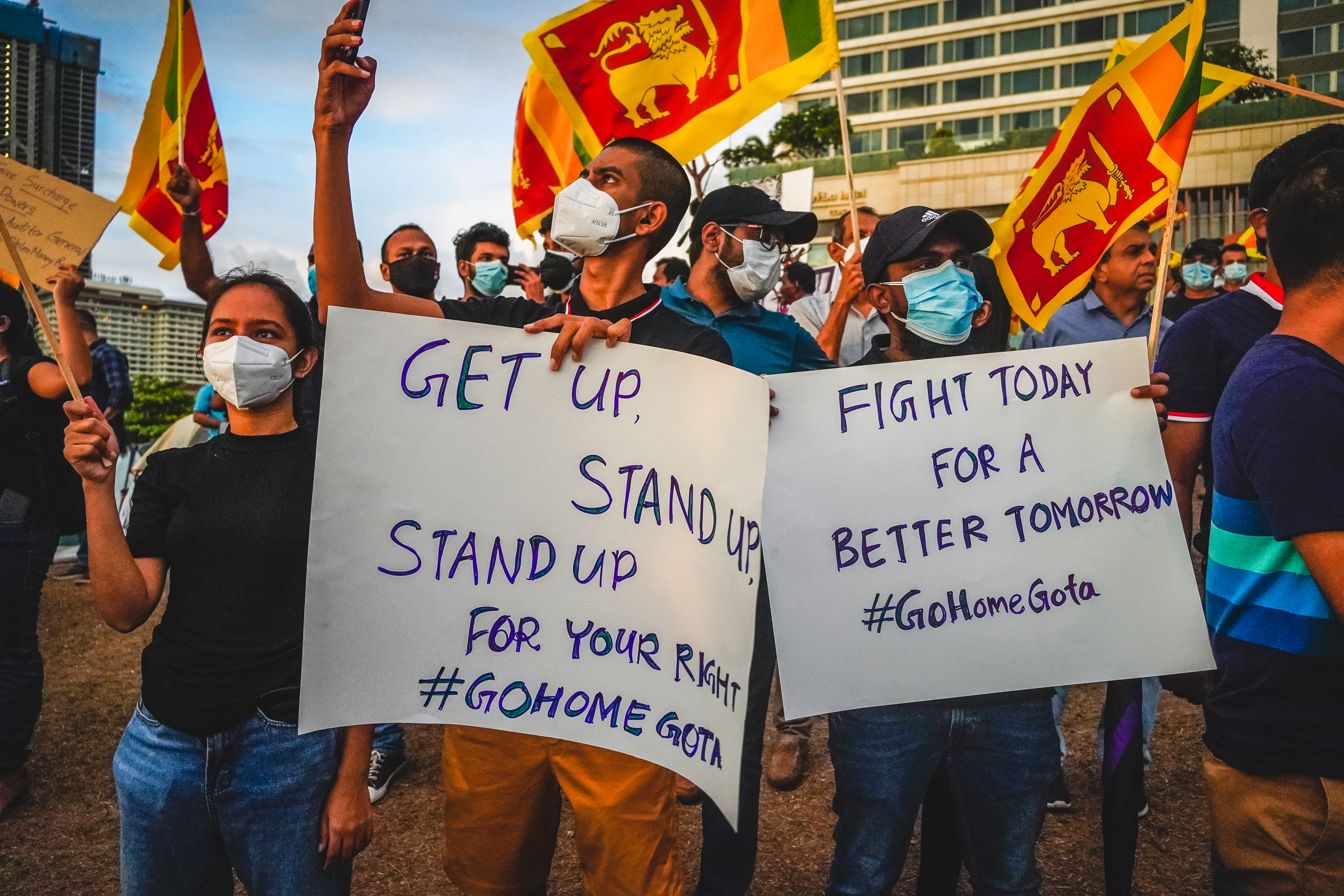
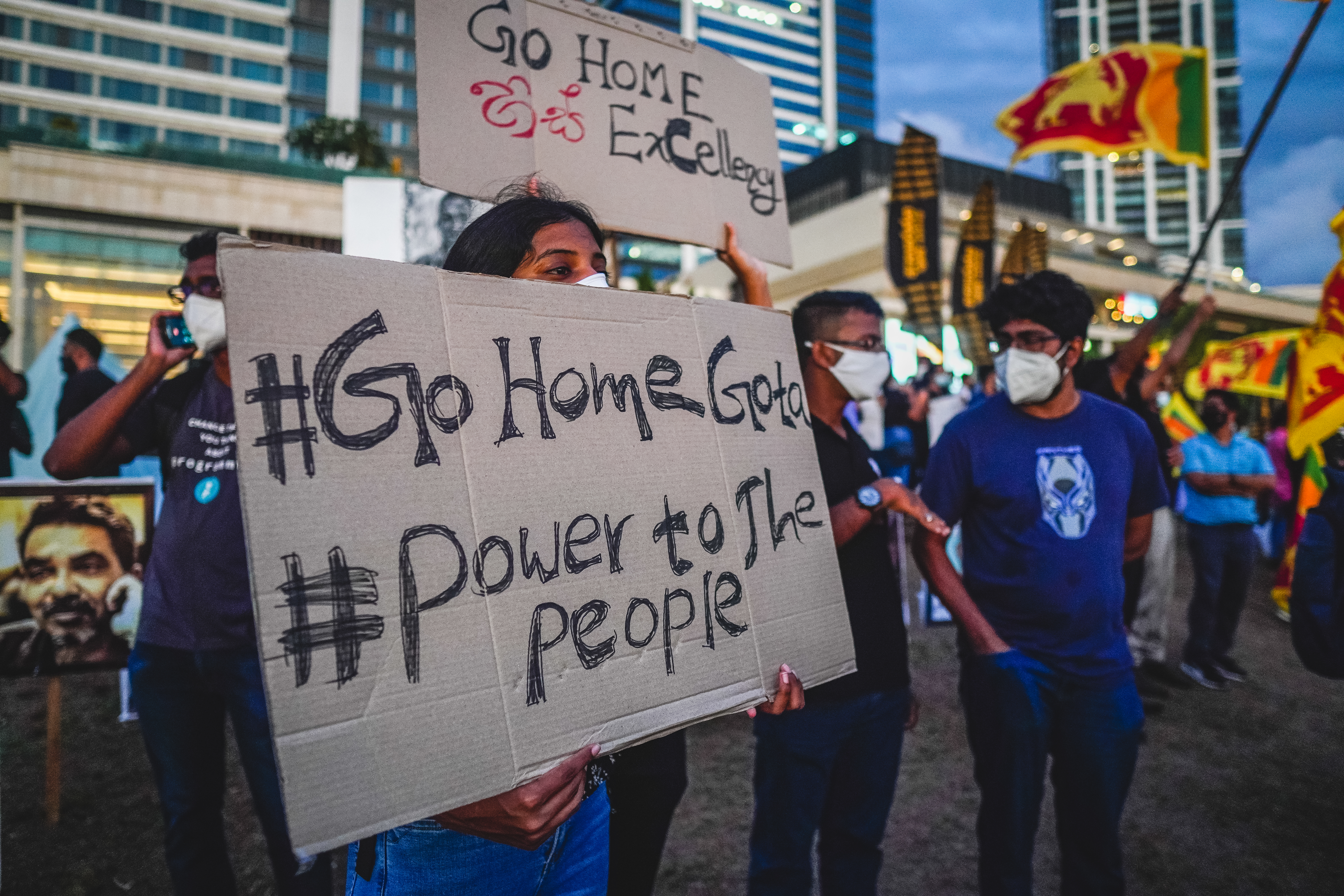
In Sri Lanka, the 2022 protests or the Aragalaya emerged from the growing economic burdens faced by ordinary citizens, largely resulting from the political mismanagement of the Rajapaksa administration. Short‑sighted economic policies and severe mismanagement during the COVID‑19 pandemic triggered acute shortages of fuel, medicine, cooking gas, and food, forcing people to wait, and in some tragic cases, die, in long queues for basic necessities (Fernando, 2022; Timberman, 2025). These hardships were further exacerbated by widespread allegations of corruption, nepotism, and systemic abuses of power, ultimately pushing the country into sovereign debt default. These conditions mobilised the masses to take to the streets in search of justice and accountability. Citizens occupied land adjacent to the official residences of the two Rajapaksa brothers1, who were then serving as President and Prime Minister, erecting overnight tent settlements that evolved into protest villages. These spaces became powerful sites of collective action and resistance, united by the call for their immediate resignation.
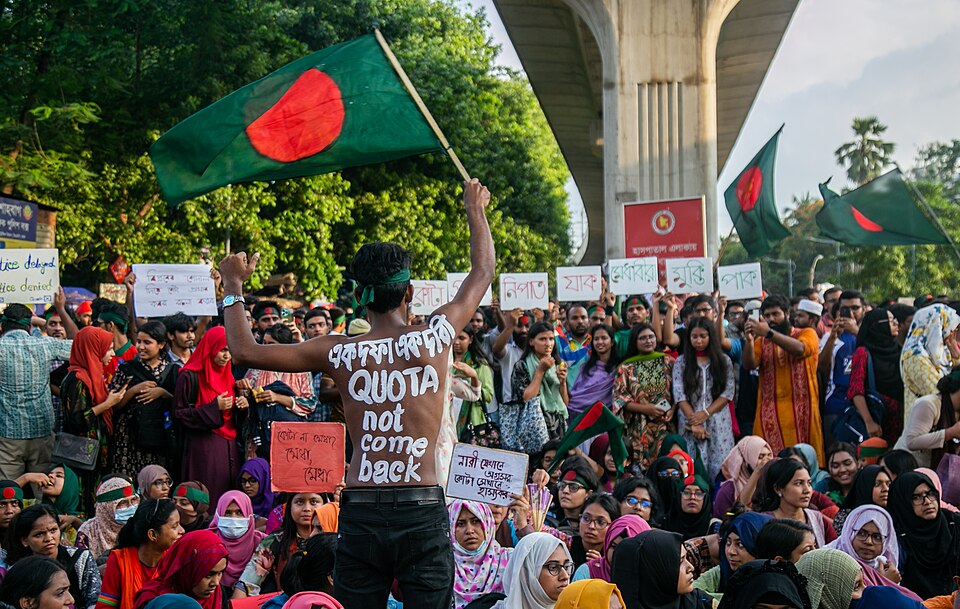
The 2024 July Mass Uprising in Bangladesh, initiated by the Anti-Discrimination Student Movement, began as a protest against the reinstatement of a 56% public-sector job quota, which included the reservation of 30% of posts for freedom fighters’ descendants. Students viewed these quotas as a barrier to meritocracy and equal opportunity in a stagnant job market (Hassan & Ruud, 2024). However, the movement rapidly evolved beyond quota reform, fuelled by long-standing grievances over democratic backsliding, including the 2011 abolition of the caretaker government and three subsequent rigged elections (International Crisis Group, 2024). This political erosion was compounded by acute economic fragility, characterized by 9.7% inflation, soaring external debt, and systemic banking corruption (World Bank, 2024). Ultimately, the state’s violent crackdown transformed a specific policy dispute into a nationwide struggle for democratic accountability and social justice, leading to the collapse of Sheikh Hasina’s authoritarian administration (Human Rights Watch, 2024).
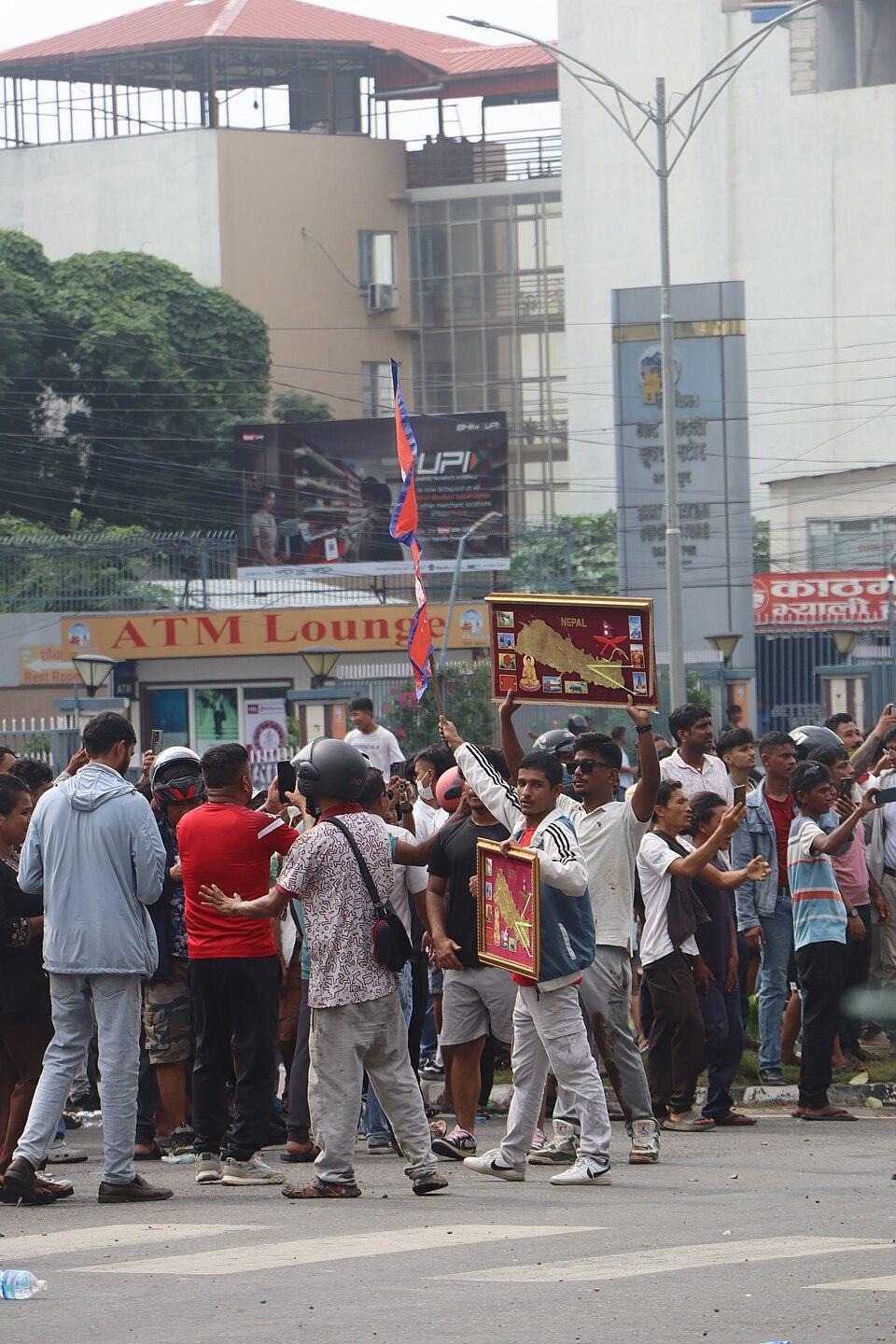
In Nepal, the September 2025 protests emerged as a powerful Gen Z–led response to the government’s blanket ban on twenty‑six social media platforms. The ban was imposed amid growing public outrage over the extravagant lifestyles of so‑called “Nepo Kids”–the politically connected children of elites–amplified widely through social media (Sharma, 2025). For many young people, the restriction on digital spaces represented not only censorship but yet another manifestation of an increasingly authoritarian political climate marked by corruption, nepotism, unfulfilled political promises, and rising unemployment. In this context, Gen Z mobilised en masse, taking to the streets to defend freedom of expression and to demand accountability, justice, and the possibility of a more transparent and hopeful political culture.
Quantity and Quality: Dual Dimensions Driving Success
Social movement theories, particularly political process theory and resource mobilisation theory, argue that a movement’s success depends on its capacity to capitalise on political opportunities while effectively mobilising both material and immaterial resources (McCarthy and Zaldi, 1977; McAdam, 1982; Jenkins, 1983). These include organisational infrastructures, leadership networks, and strategic repertoires that enable activists to articulate public grievances in ways that resonate broadly. In essence, the effectiveness of a protest movement rests not only on the number of participants it can attract (quantity) but also on the quality of its strategic coordination, activist networking, and tactical repertoire. All three protest movements in our focus hold true to this principle.
The Sri Lankan protests drew tens of thousands of participants from diverse social classes, regions, age groups, and ethnic and religious communities, generating broad-based legitimacy and signalling a nationwide rejection of the Rajapaksa regime. Transitioning from digital activism to physical occupation, the movement established “GotaGoGama”, a protest site in Colombo, as a symbolic epicentre where creative resistance, ranging from performing arts to interfaith observances, fostered national solidarity and maintained public legitimacy. This disciplined and largely non-violent approach reached its zenith on July 9, when the peaceful storming of the Presidential Secretariat and official residence forced President Gotabaya Rajapaksa to flee the country. Ultimately, the movement’s success was rooted in its unique tactical diversity and the moral authority gained through collective action, which sustained international attention and successfully ousted the ruling regime.
In Bangladesh, the July 2024 mass uprising reflected a broad-based rejection of the Awami League’s authoritarian rule, drawing tens of thousands of protesters across diverse social, regional, and institutional lines. Following intense state repression that resulted in over 1,000 deaths and thousands of injuries, the movement transitioned from localized student grievances into a nationwide non-cooperation
campaign (UN News, 2025). This escalation culminated on 5 August, when massive crowds defied a nationwide curfew and converged on the capital in a “Long March to Dhaka.” The subsequent occupation of Ganabhaban and the flight of Sheikh Hasina mirrored the Aragalaya in Sri Lanka, where the combination of moral legitimacy, sustained non-violent discipline, and widespread civil disobedience proved capable of dismantling an entrenched authoritarian structure (Al Jazeera, 2024). Ultimately, the movement’s success was rooted in its massive scale and perceived legitimacy, which sustained both domestic momentum and international scrutiny (Raza & Salman, 2024).
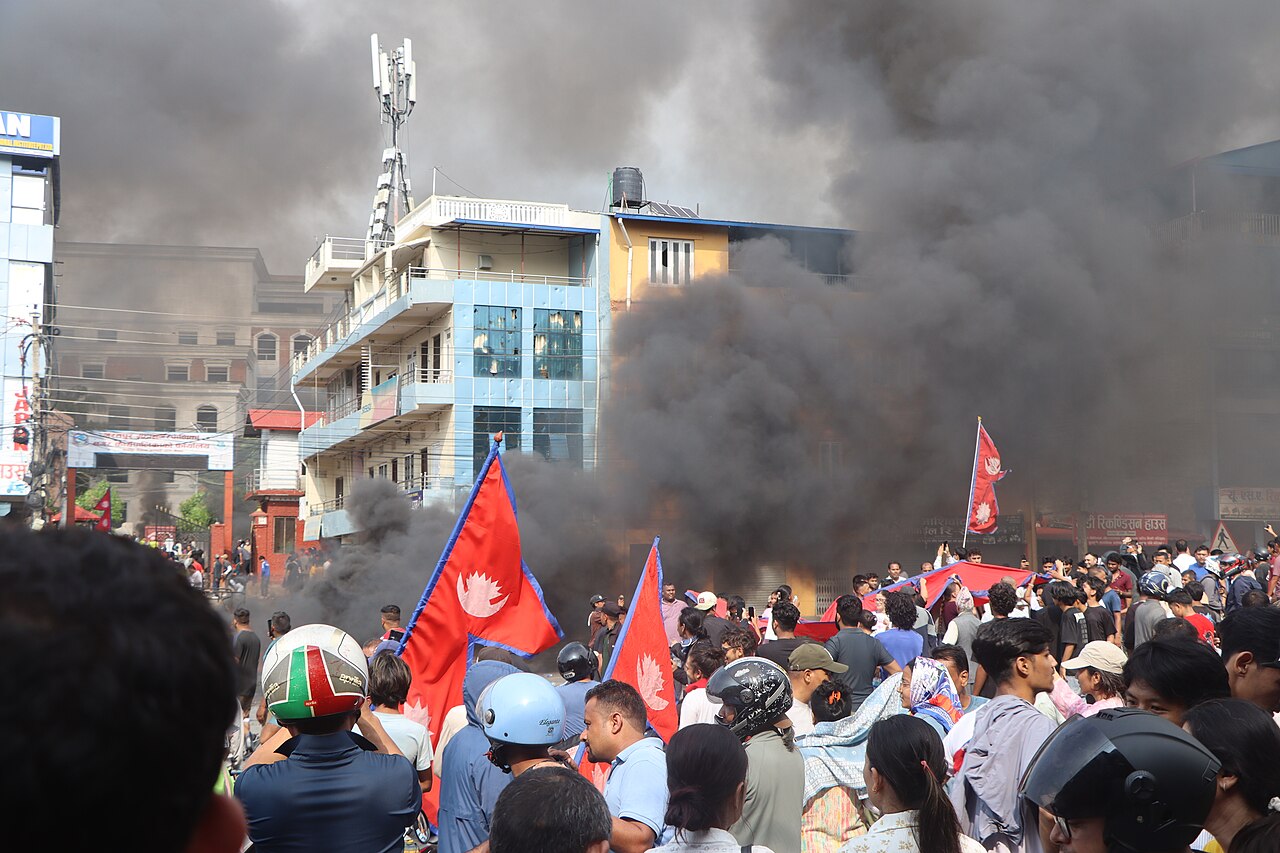
In Nepal, thousands of young people joined protests across the country, gathering within hours at Maitighar in central Kathmandu and other major cities, chanting slogans like “No more Nepo Babies,” “Step down Oli-Prachanda-Deuba,” and “Stop Corruption.” They demanded change and accountability. The demonstration took place not just in large cities but also in rural areas, where around 14% of the population is employed as labour migrants. Their families were upset with the government because they were unable to communicate with family members who were employed as labour migrants as a result of the September 4 blanket social media ban.
Collective Leadership and Agentic Engagement
Adding to the collective mass participation and diverse activism, the leadership of all three movements were also collective. Since all three movements emerged out of immediate necessity, all three movements were spontaneous, and at least to a particular point were considered leaderless. In Sri Lanka, the Aragalaya was both spontaneous and leaderless–a characteristic that scholars identify as both its greatest strength and its primary weakness. Its leaderless nature underscored the authenticity of the movement as a genuine expression of public resistance against economic and political injustice. While some left-leaning political parties and their student wings contributed to logistical planning, they did not claim ownership of the protests. Instead, key decisions were made collectively by individuals representing diverse communities and interests.
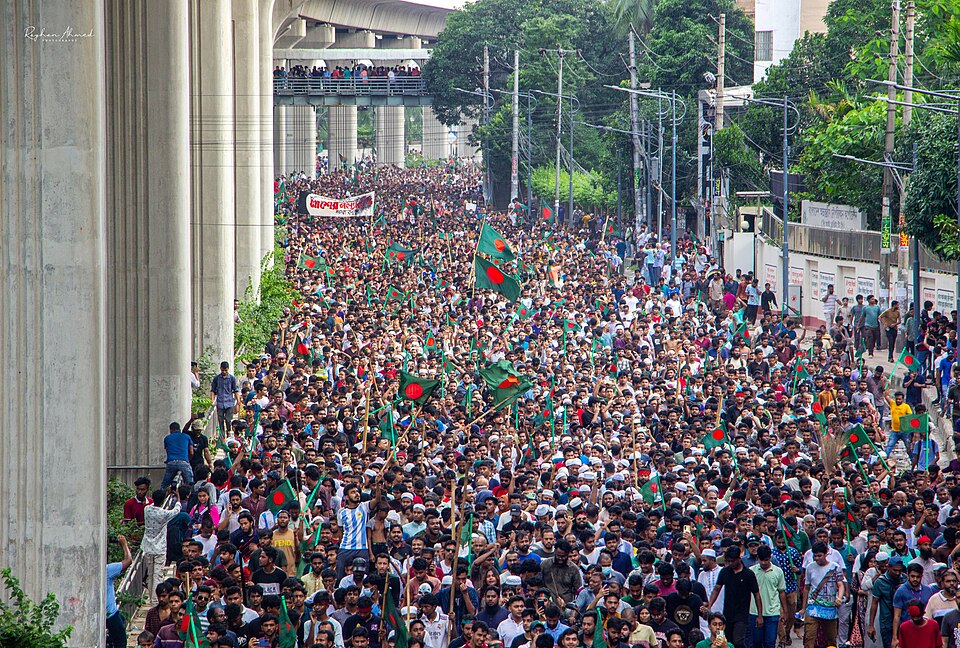
Similarly, the July 2024 uprising in Bangladesh was characterized by a spontaneous, decentralized, and horizontal leadership structure. Organizations like the Anti-Discrimination Student Movement provided strategic direction without relying on traditional charismatic figures, enhancing the movement’s moral legitimacy and fostering broad cross-sectoral participation (Mishra, 2025). Despite severe digital crackdowns and nationwide internet blackouts, students effectively leveraged university networks and social media to sustain mobilization (NetBlocks, 2024). Tactical innovations, including the “Bangla Blockade,” nationwide class boycotts, and coordinated transport shutdowns, increased the movement’s disruptive capacity at a low organizational cost, making the protests difficult for the state security apparatus to contain (OHCHR, 2025).
In Nepal, the Gen Z protest was similarly leaderless and spontaneous. At its outset, the movement lacked centralised leadership or prominent public figures. Nevertheless, a few youth activists, including Purushottam Yadav and Saval Gautam, submitted a formal request letter to the Kathmandu Chief District Office, lending institutional legitimacy to the movement and countering state narratives portraying the protests as unlawful or anarchic (Kantipur TV HD, 2025). Sudan Gurung, president of the non-governmental organisation Hami Nepali, later emerged as an influential figure whose involvement encouraged broader mobilisation among Gen Z activists. Despite his prominence, strategic decision-making and overall direction of the movement remained largely collective.
Social Media as catalysts for resource mobilisation
Generation Z’s leadership within the movement leveraged social media as a powerful tool for mobilising both material and non-material resources. Their political consciousness, creative capacities, and digital fluency distinguished them from previous generations across all three contexts. In Sri Lanka, both ordinary youth and social media influencers used digital platforms to mobilise people toward GotaGoGama and to secure the resources needed to sustain the protest. Beyond drawing crowds, social media facilitated the rapid collection of essential supplies–tents for overnight stays, books for the onsite public library, and food, water, and sanitation facilities–as well as materials for commemorative and cultural activities within the protest space.
The July 2024 uprising in Bangladesh was defined by a decentralized, horizontal leadership of Generation Z digital natives who bypassed formal partisan hierarchies by utilizing encrypted platforms such as WhatsApp, Telegram, and Facebook to coordinate the “Bangla Blockade” and other nationwide disruptions (NetBlocks, 2024). The viral footage of the shooting of Abu Sayeed, a university student and protester, by police on July 16 served as a pivotal moral shock, delegitimizing state force and expanding mobilization beyond university campuses (Mishra, 2025). This digital architecture facilitated rapid logistical coordination and symbolic memorialization, while diaspora-based influencers amplified the movement’s international visibility (International Crisis Group, 2024). Ultimately, through peer-based mobilization and real-time digital strategies, Bangladeshi youth transformed a specific grievance regarding quota reforms into a disciplined, nationwide challenge to entrenched authoritarian governance (OHCHR, 2025).
In Nepal, social media similarly played a critical role in the protests. Gen Z had initially used these platforms to discuss political nepotism, and the government’s subsequent ban on social media became the trigger for mass mobilisation, demonstrating how digital spaces had empowered youth to demand a more accountable political culture. Even after the ban, young people continued accessing social media through VPNs, underscoring the futility of authoritarian restrictions against a digitally adept generation determined to defend media freedom. Social media influencers, young celebrities, and ordinary youth used these platforms to organise rallies, mobilise crowds, and amplify their demands. Logistical tasks, such as distributing water and masks or coordinating assemblies, were managed online, which also helped track participants and provide real-time assistance.
Conclusion: Collective Hope for Shared and Peaceful Futures
Across Sri Lanka, Bangladesh, and Nepal, Gen Z transformed dissent into disciplined, largely non‑violent collective action. These movements demonstrated that decentralized mobilization, supported by digital infrastructures, can challenge entrenched political orders and press for democratic renewal. They reaffirm that peace is not passivity, but the shared practice of fairness, courage, and non‑violent collective power. Where institutions fail and systems become unaccountable, peaceful collective action emerges as a force demanding just and ethical governance.
The ultimate success of these uprisings lies in their ability to transition from the streets into formal governance. In Sri Lanka, the Aragalaya, unlike its counterparts in Bangladesh and Nepal, lost momentum following the installation of an interim government and a violent crackdown. Yet this occurred after the movement’s core demands were met. More importantly, the Aragalaya reshaped the political landscape, paving the way for the 2024 elections in which the National People’s Power (NPP) secured the presidency and a historic parliamentary majority, signaling a decisive shift toward a pro‑people, anti‑corruption governance model. In Bangladesh, the 2024 revolution resulted in a successful democratic transition by early 2026. Student leaders institutionalized their influence through the formation of the National Citizen Party (NCP), gaining parliamentary representation to advance constitutional reforms and enforce accountability. Similarly, Nepal’s 2025 Gen Z–led protests culminated in the 2026 electoral victory of the Rastriya Swatantra Party (RSP). Led by youth‑aligned leadership, the new government has prioritized digital rights and the dismantling of political nepotism.
Together, these cases offer critical lessons about collective power and movement building: mass mobilization must be paired with electoral strategy; horizontal movements require institutionalization to sustain long‑term impact; and digital tools are central to organizational resilience. Ultimately, these movements underscore that collective power can reshape political possibilities when non‑violent discipline is maintained, securing both domestic and international legitimacy. Across South Asia, their enduring legacy is a renewed conviction that accountable governance is attainable through the sustained agency of a rising generation–demonstrating that the energy of mass protest can be successfully transformed into durable democratic reform.
Endnotes
1 The crisis was widely attributed to the policy decisions of Mahinda Rajapaksa (President, 2005–2015; Prime Minister, 2019-2022) and his brother Gotabhaya Rajapaksa (President, 2019–2022).
References
Al Jazeera (2024, August 5) Bangladesh’s Sheikh Hasina forced to resign: What happened and what’s next? Available at: https://www.aljazeera.com/news/2024/8/5/bangladeshs-sheikh-hasina-forced-to-resign-what-happened-and-whats-next
Al Jazeera (2025, September 8) At least 14 killed in Nepal protests over social media ban, corruption. Available at: https://www.aljazeera.com/news/2025/9/8/at-least-14-killed-in-Nepal-protests-over-social-media-ban-corruption.
Fernando, J. (2022) ‘The citizen’s uprising in Sri Lanka: A watershed moment against racial capitalism’, Human Geography, 16(2), p. 19427786221123004. doi: https://doi.org/10.1177/19427786221123004.
Hassan, M. and Ruud, A. E. (2024) The July Uprising: Meritocracy, Quotas, and the Fall of the Awami League. South Asian Political Review.
Human Rights Watch (2024) Bangladesh: Deadly Crackdown on Protests. Available at: https://www.hrw.org/news/2024/07/bangladesh-deadly-crackdown.
International Crisis Group (2024) Bangladesh’s Student Uprising: From Quotas to Revolution (Asia Report No. 341).
Jenkins, J. C. (1983) ‘Resource Mobilization Theory and the Study of Social Movements’, Annual Review of Sociology, 9, pp. 527–553. Available at: http://www.jstor.org/stable/2946077.
Kantipur TV HD (2025, November 10) Purshotam Yadav in Fireside with Rupesh Shrestha. Available at: पुरुषोत्तम यादवलाई केपी ओलीको टेलिफोन | Purushottam Yadav (Leader, Gen Z) | Fireside.
McAdam, D. (1982) Political Process and the Development of Black Insurgency, 1930–1970. Chicago: University of Chicago Press.
McCarthy, J. D. and Zald, M. N. (1977) ‘Resource mobilization and social movements: A partial theory’, American Journal of Sociology, 82(6), pp. 1212–1241.
Mishra, V. (2025) ‘From quota reform to regime change: A comparative corpus-assisted discourse analysis of Bangladesh’s July Uprising’, Linguistics Initiative, 5(2), pp. 201–218. doi: https://doi.org/10.53696/27753719.52285.
NetBlocks (2024, July 18) Service restoration and continued disruption in Bangladesh amid quota reform protests. Available at: https://netblocks.org/reports/service-restoration-and-continued-disruption-in-bangladesh-amid-quota-reform-protests-oy986OAy.
OHCHR (Office of the United Nations High Commissioner for Human Rights) (2025, February 12) Human rights violations and abuses related to the protests of July and August 2024 in Bangladesh. United Nations.
Raza, M. and Salman, M. (2024, October 10) Protests toppled incumbents in Bangladesh and Sri Lanka, while Pakistan struggles for change. Global Policy Journal.
Sharma, Y. (2025, September 16) ‘Nepal, Bangladesh, Sri Lanka: Is South Asia fertile for Gen Z revolutions?’, Al Jazeera.
Timberman, D. G. (2025) The Aragalaya Protest Movement and the Struggle for Political Change in Sri Lanka. Carnegie Endowment for International Peace. Available at: https://carnegieendowment.org/research/2025/08/sri-lanka-aragalaya-protest-movement-oust-wickremesinghe-rajapaksa?lang=en.
UN News (2025, February 12) Bangladesh: UN report finds brutal, systematic repression of protests, calls for justice. United Nations.
World Bank (2024) Bangladesh Development Update: Navigating Monetary and Fiscal Challenges. World Bank Group.