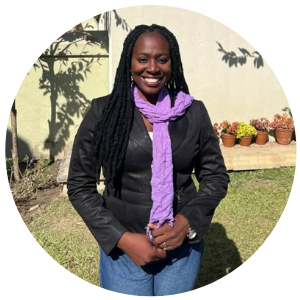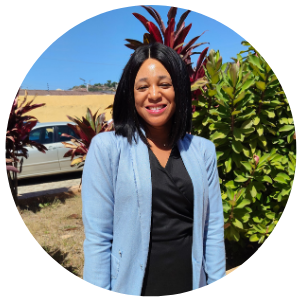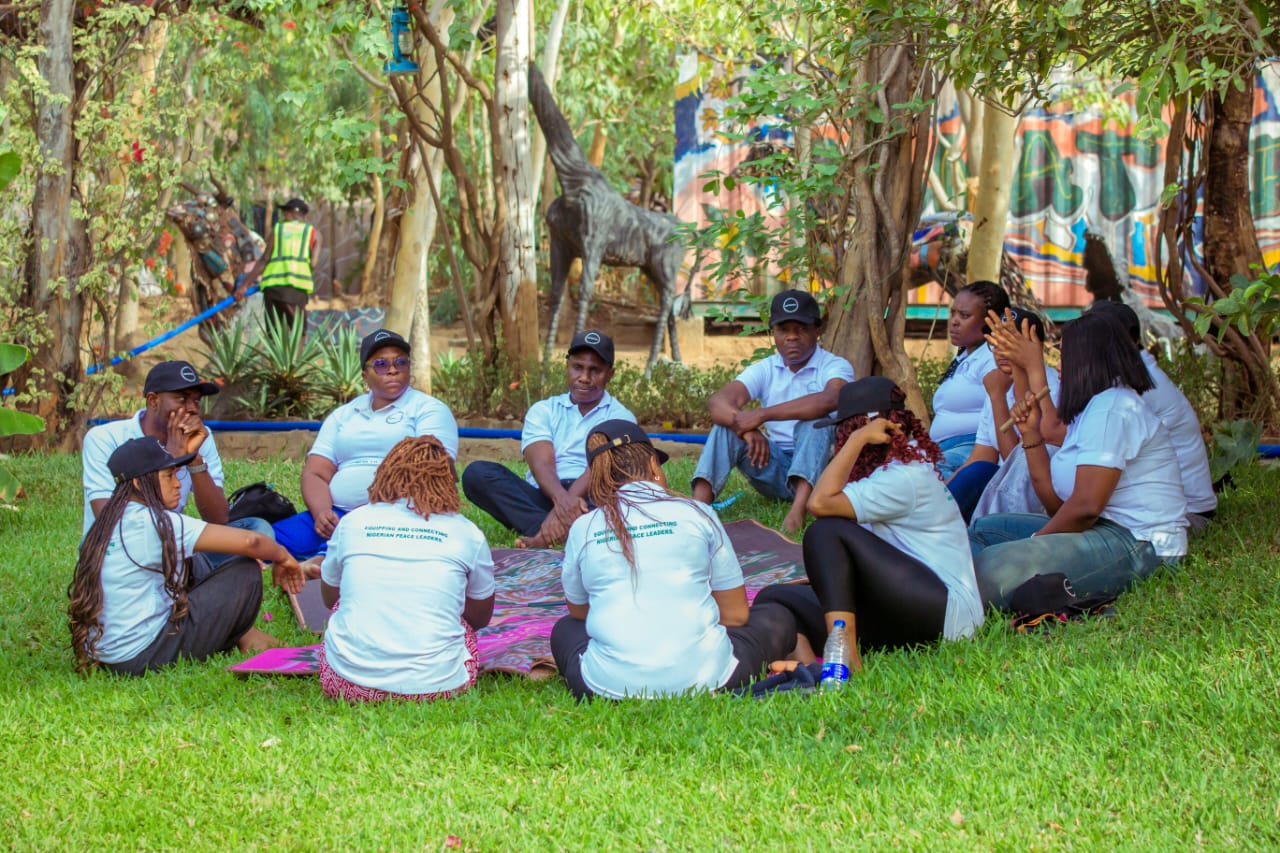
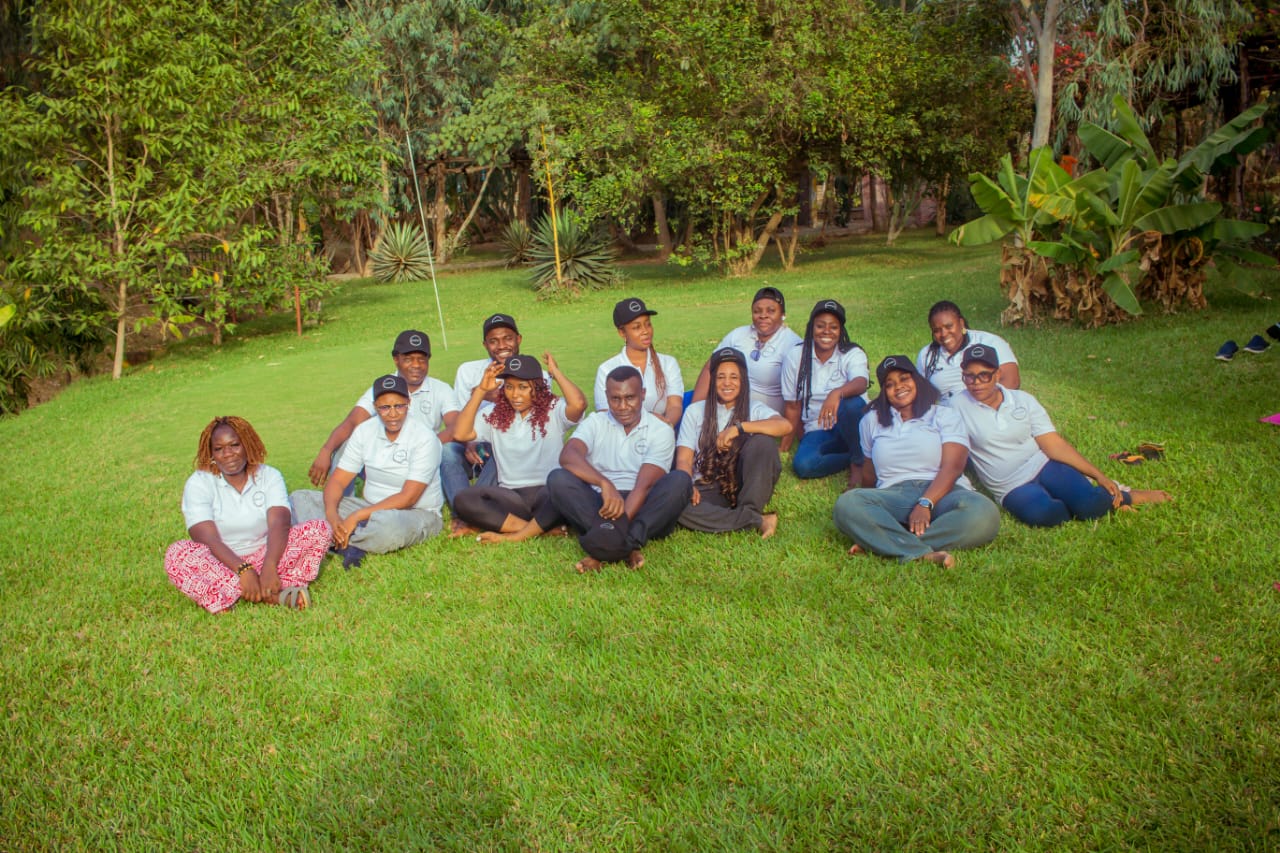
In early 2026, a group of 13 Nigerian peacebuilders—alumni of Euphrates Institute’s Peace Practice Alliance (PPA), a six-month leadership program—came together in person for the first time to explore possibilities for collaboration and joint action. Representing diverse regions, generations, and areas of focus, they were united by a shared commitment to peace and a common foundation through the PPA experience. From this gathering emerged deeper connections and a collective commitment to strengthen their national impact moving forward. We invited the gathering’s organizers, Oluchi Achi Uzodimma and Wazieh Offuh, to reflect on the experience and share insights on bringing together a group in the early stages of collective action.
Our gathering of Nigerian alumni of the Peace Practice Alliance Program was a deliberate step towards building a collective force for peace in Nigeria. Across the country, while our work as peacebuilders varies, we are all doing meaningful and impactful work, responding to local challenges of violence, inequality, and crisis. However, our overall reach and sustainability is limited because we are often working in isolation and without coordination.
In response, we felt a deep urgency to create a space where our voices, our experiences, and our strategies could meet, align, and strengthen one another. We believe that when we stand together, we are not just responding to conflicts, we are shaping a united vision for a more peaceful world, especially here in Nigeria, where we experience many crises every day.
When we gathered earlier this year, many of us had known each other only through virtual spaces—Zoom calls, occasional messages—and yet, by the end of those days together, we were a community with a shared national action plan. We didn’t want the time together to end!
Intentional, participatory planning
There were three key things we did before we came together in February 2026 that helped to make our workshop a success and to lay a strong foundation for our collective work: creating opportunities for connection, developing a shared purpose and vision, and centering ourselves in our guiding principles of participation, trust, respect, and shared ownership.
Opportunities to connect before the workshop
For us, it started with a WhatsApp group we created to connect members of the PPA alumni community in Nigeria. It took time and effort to keep the conversation going. At the beginning, some people did not see the need or were not responding. We posted, checked in, asked questions—even when there was silence.
Gradually, people began to respond. We started sharing small things—updates, opportunities, even birthday messages. It was not formal, just small moments of connection. Over time, that connection strengthened and grew, so people were ready when we finally proposed meeting in person.
Shared purpose and vision
Our plans for the workshop began with identifying a clear shared purpose and vision for each of us to carry together—a response to the question, “Why do we need to come together?” We wanted to build a strong network of peace leaders in Nigeria and to strengthen our impact. To do this, we had three main objectives for the workshop:
- To create a space where peace leaders could connect, reflect, and begin to see themselves, not as individuals or organizations, but as a collective force.
- To begin to identify areas of potential alignment and opportunities for collective action in our peacebuilding efforts across Nigeria.
- To develop a plan to ensure our intentions result in action following the workshop.
Guiding principles
In planning and implementing the gathering , we were guided by principles that we believe are important in peace leadership more generally, and in building a collective group, especially. Our guiding principles included:
Shared ownership: During the planning process, we took time to hear members’ ideas and concerns. This led us to understand, for example, the challenges that some members were facing in being able to attend, and enabled us to find ways to address those challenges and ensure everyone was able to attend. Everyone was part of the planning process and, in addition to sharing their ideas and feedback, members of the network were invited to take on specific roles.
Emphasis on openness, trust, respect, and shared purpose: We believe that when we come together and we build genuine relationships, we strengthen trust and we are open to honest conversation. Therefore, we made it clear that this was not a space for competition – it was a space for listening, for learning, and for building together.
Inclusion: Nigeria is diverse, and the experiences of conflict are not the same in every region. Some of us come from communities deeply affected by violence, while others work in areas with different challenges. It was important that every voice and perspective was heard.
Creating space for alignment and connection
One of the most important choices we made was to move away from the traditional workshop format. We did not want people to just sit and listen. We wanted everyone to participate. Instead of planning lectures, we designed experiences. We created multiple entry points for engagement through small group discussions, storytelling sessions, and reflective exercises. We made sure that everyone had the opportunity to speak. Even those who were quiet at first, found ways to share. We also focused very deliberately on creating space for emotional connection. We wanted it to feel like a community, not just attendance at an event. We did this primarily through sharing our stories, peer consultations, buddy pairing, and informal activities.
Sharing our Stories: We shared our personal peacebuilding stories with one another throughout the workshop, from our journeys, to our experiences in the PPA, our struggles, and our motivations.The sharing of personal stories was very powerful; it helped everyone to connect and strengthen the emotional bonds we were building with one another.
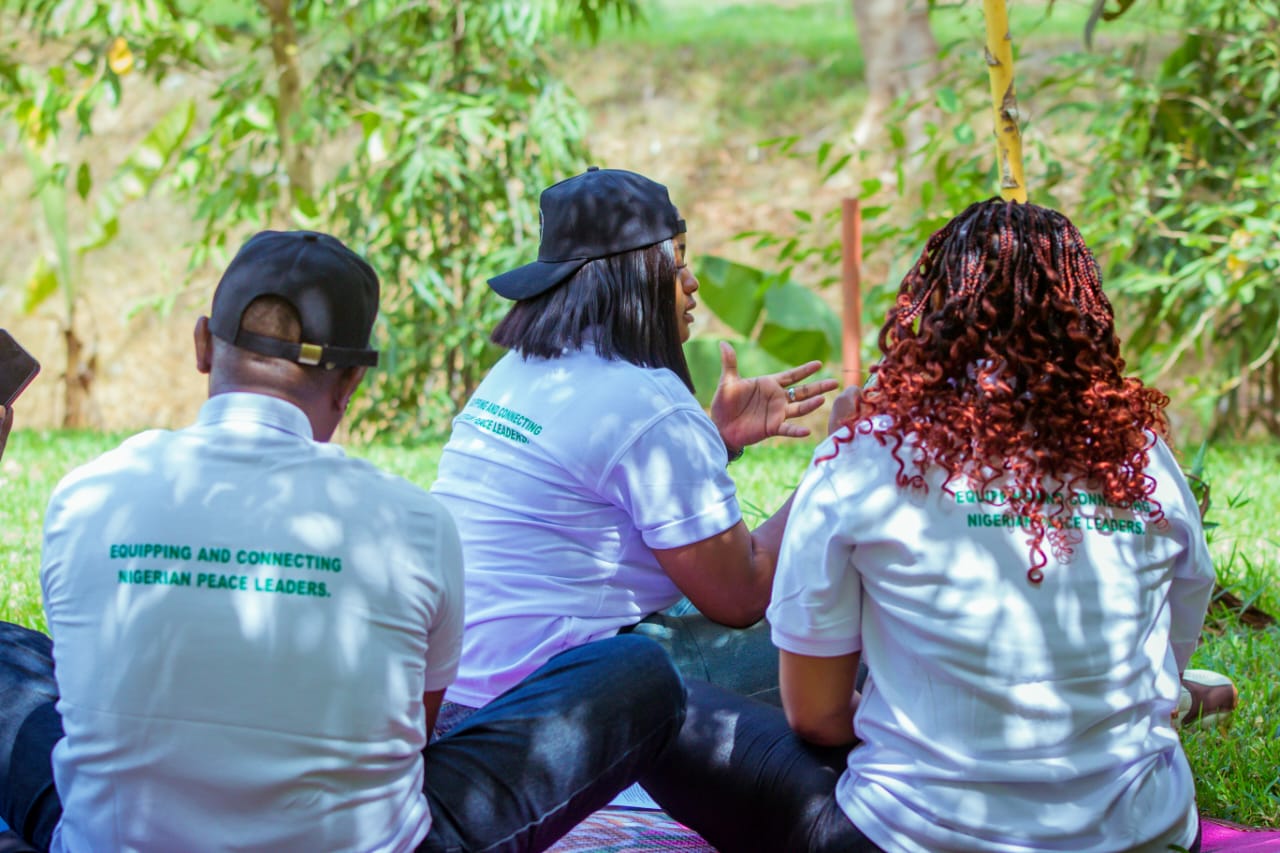
Peer Consultation: One of the most impactful approaches we used was peer consultation. In small groups, each participant shared a summary of their work, including the challenges they are facing and areas where they need support. Then the members of the group responded, offering insights, ideas, and possible solutions.
For many, it was an eye-opening experience. People began to see their work from new perspectives, discovering approaches they had not considered before. This activity also helped us understand each other’s contexts more deeply. We could see not just what people were doing, but why—and what they were facing in their communities.
Buddy Pairing: Another approach that worked very well was what we called buddy pairing. We paired participants and gave them time to talk—to share their experiences, their challenges, and their hopes. People connected in ways they had not expected. After only 5-10 minute sessions of listening to each other without interruption, many of these pairs developed strong bonds. Even after the sessions ended, people continued referring to each other as “my buddy.” There was a sense of responsibility—not just to themself, but to others in the group as well.
Informal Activities: What made the gathering truly special was that it went beyond formal activities. We shared meals together, played games, toured the farm where the meeting was taking place, watched movies, and had a party. We laughed, we talked, we spent time simply being together. We also integrated fun and engaging activities into the program.
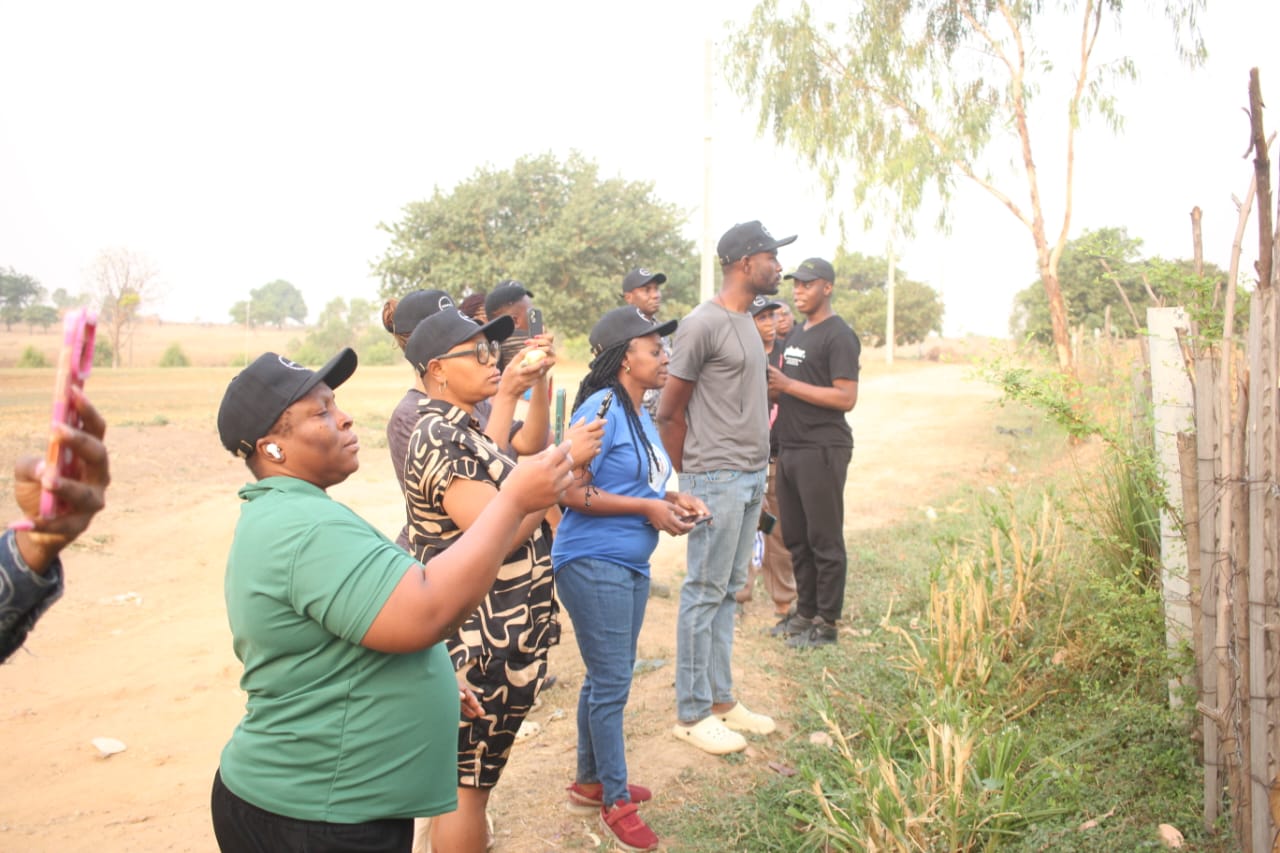
The group was already beginning to open up by the first evening, after simply sitting together for a meal and beginning to get to know one another. By the second day, everything had changed. There was lots of talking, joking, and laughter. At one point, people were even sharing food from each other’s plates.
From Intention to Action
We recognized that while we all had the desire to work together, we needed a system—a framework that could guide our collaboration. During the gathering, we created space to reflect on where we were as a network and where we wanted to go. We discussed what was missing and what needed to be built.
From those conversations, we developed a national strategy. This strategy outlined our plans for the year, including regular meetings, events, joint activities, and engagement with other organizations. We also have plans for working together and supporting one another as needed. Everyone left the gathering with the mindset that they can connect with and reach out to others in the group whenever support is needed.
What We Learned
Looking back, there are several lessons that stand out.
People need to be willing to come together and see the purpose of doing so. Without that willingness and the belief that there is value in gathering, it is very difficult to build anything. But once there is agreement, the process becomes much easier.
A shared vision of what is bringing you together and what you stand for is essential. In our case, while many of us in the group focus on many different issue areas (e.g., education, women’s rights), we focused in the gathering on our shared aim for and vision of peace in Nigeria. In addition, our participation in the Peace Practice Alliance, provided us with a strong shared foundation – a common language and shared understanding of peacebuilding that enabled us to go deeper faster.
Focus on the process, as well as the content. Our focus on participation and our guiding principles in planning, designing, and implementing the workshop enabled us to not only develop a national action plan, but also to develop strong connections among members of the group and the shared desire to continue as a collective. We found that participation matters. When everyone is involved, everyone feels ownership, and they commit more deeply.
Relationships come before results. The trust we built through storytelling, shared experiences, and simple human connection made everything else possible. The experience-based sessions (storytelling, peer consultation, buddy pairing) and the informal activities (meals, games, breaks), in particular, were very effective in helping us do this.
Persistence is important. Building a network takes time. It requires effort, patience, and consistency.
Looking Ahead
As we left the gathering, it was clear that this was not the end. While we are still in the early stages of our collective journey, we now have a strong foundation to build from and we are committed to continuing this work together.
What we experienced in Nigeria reminds us that that collective power is something we build—step by step—through intentional relationships, shared purpose, and participatory processes. It is sustained through trust, mutual support, and a commitment to action. In a world facing complex and interconnected challenges, these lessons resonate far beyond Nigeria.