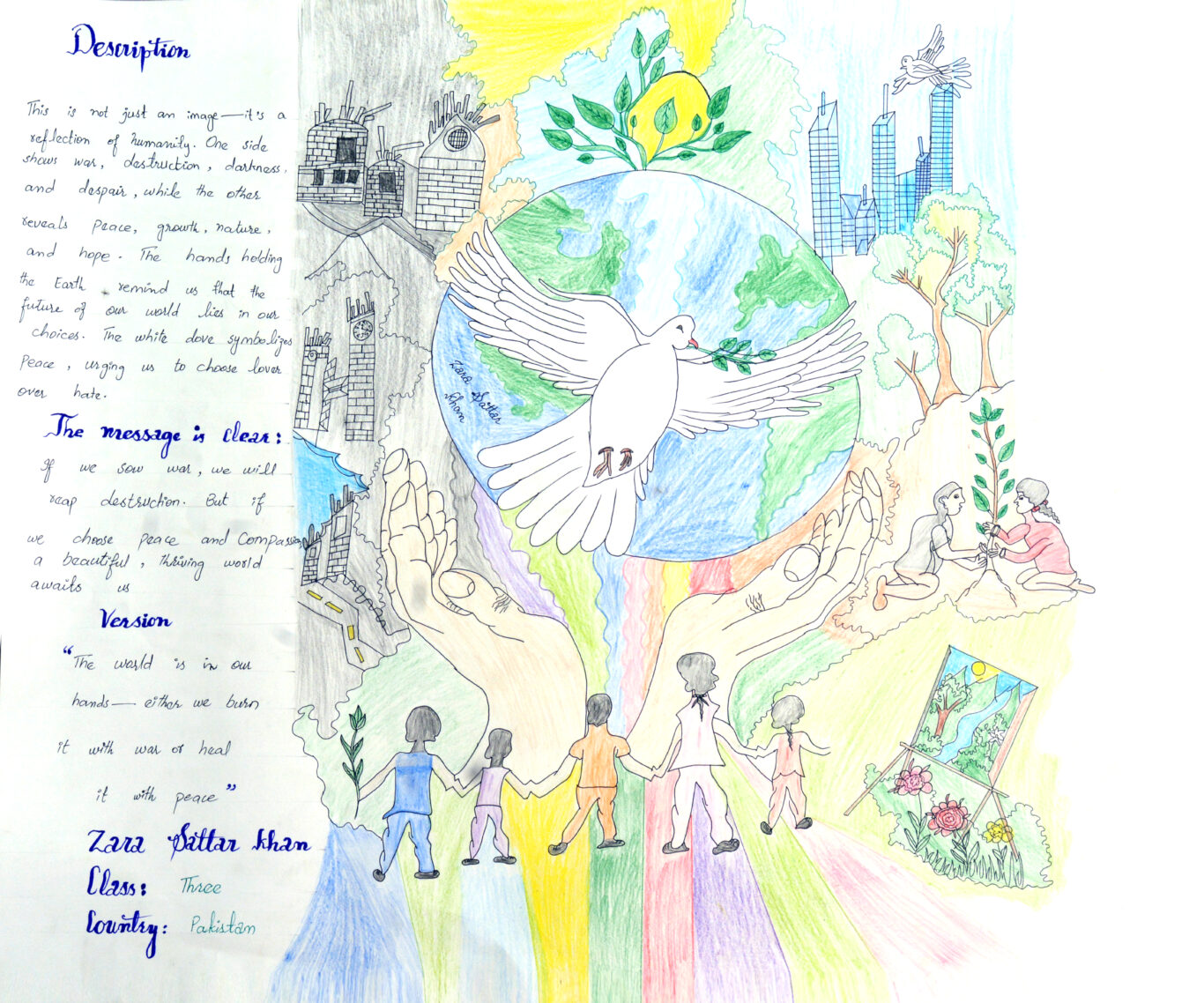
Even in humanity’s darkest moments, the number of people committed to goodness and light outshines the darkness.
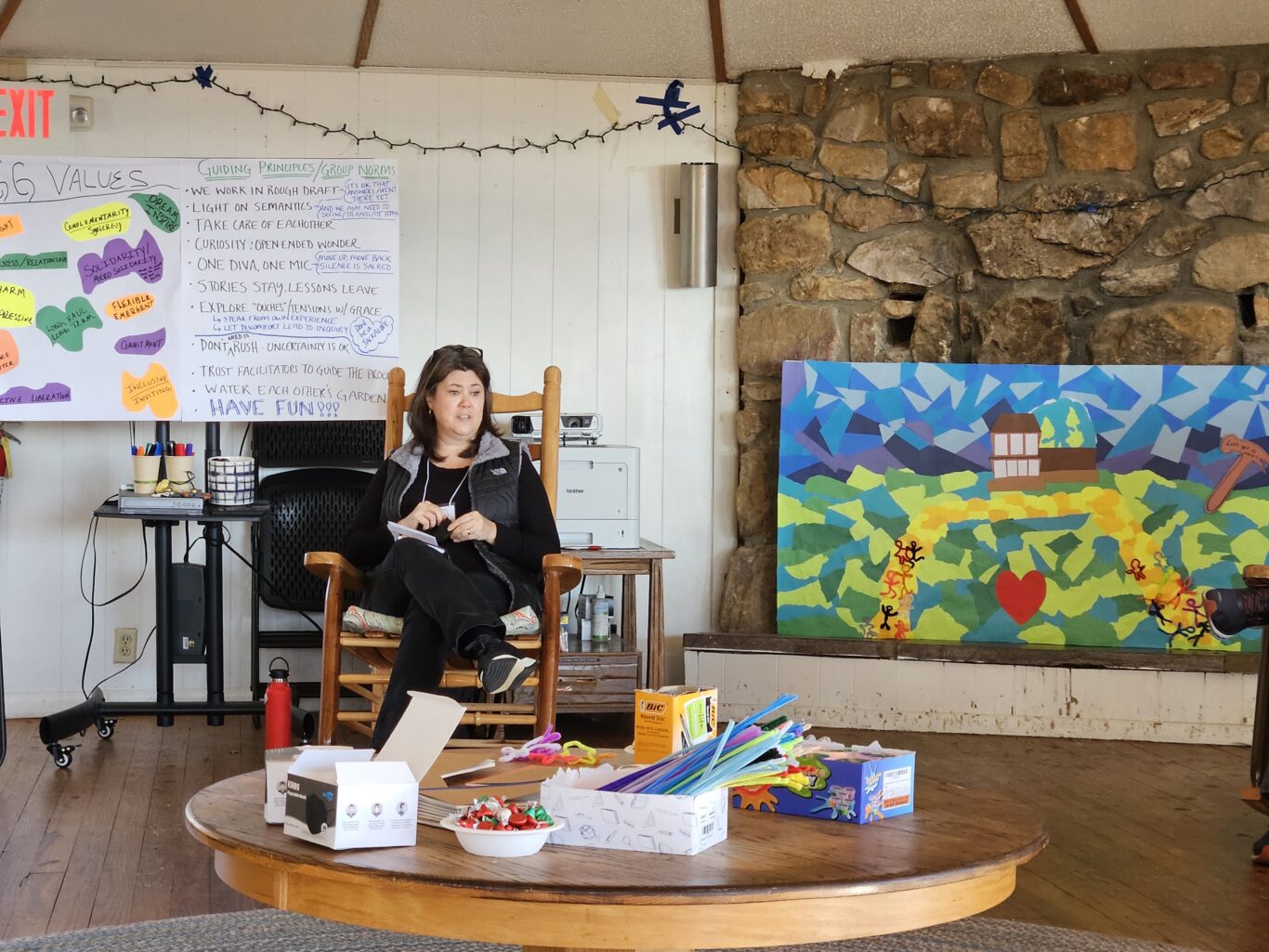
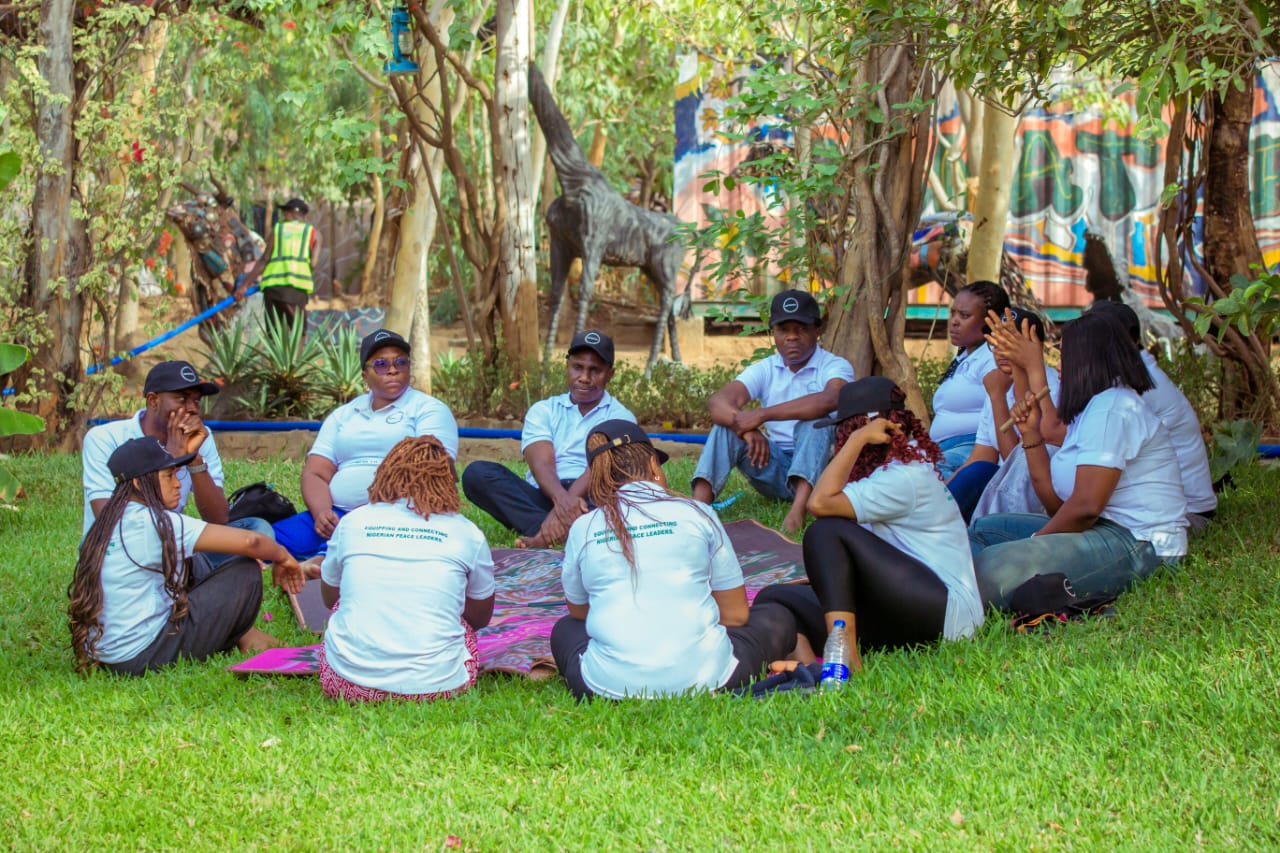
I first heard those words late last year, while attending the Feminist Republik Festival — a convening in Kenya that brought together over 700 feminist leaders, activists, healers and funders from 13 countries experiencing armed crisis and conflict on the African continent. I’d traveled to Kenya as a feminist philanthropic consultant, who works with activists and feminist funds to bring more and better funding to gender justice movements across the globe. As often happens in my work, I found myself in a room of seasoned activists with decades of experience organizing for peace in their communities, carrying a kind of wisdom that only comes from staying through difficult moments. It left me both hopeful and challenged, asking myself what it really takes to sustain this work over time.
At the Feminist Republik Festival, I had the deep privilege of witnessing a feminist healer speak directly to activists and leaders from Sudan. She was speaking to women who had spent the last two years holding their communities together through violence and humanitarian crisis. Who received survivors of sexual and gender based violence and helped women get maternal healthcare as hospitals collapsed. Who created mutual aid groups, emergency response rooms, and community kitchens to respond to their communities’ needs in moments when no one else would or could. In the relative safety of a hotel conference room on the edge of the Indian Ocean, she invited these women to pause. Take a deep breath. Feel their feet on the ground. Notice the quiet steadiness beneath us and remember that even in humanity’s darkest moments, there are always more people choosing care, choosing courage, choosing to hold the line for what is good and just.
She invited us to stay with that, to not rush past it. To hold the brightness of that goodness and light in our hearts, not as a fleeting feeling, but as something we return to. A grounding. A reminder. A form of collective care.
Because in a moment that asks so much of us, that light becomes more than hope, it becomes the faith that sustains us, the quiet fuel for our resistance, and the thread that keeps us connected to one another.
I didn’t know at the time that she was handing me a lifeline, a map handscrawled on my heart, that I would cling to in the weeks ahead. A few days after the Festival’s conclusion, on December 3, 2025, I journeyed back home — to Minneapolis, Minnesota, where Operation Metro Surge had begun two days prior. As I was packing my bags in Kenya, the warning bells were already ringing out, in the form of Signal notifications on my phone from parent and neighborhood groups, alerting that ICE vehicles were circling our streets.
In the weeks and months to come, I witnessed firsthand a version of the darkness that the feminist healer described. In January, over 2000 federal agents descended into Minnesota, bringing intimidation, violence and fear to our streets. Thousands of people were detained, as agents violently and indiscriminately targeted Black and brown community members. Federal agents shot and killed two American citizens engaged in nonviolent observation. Across the city, immigrant families went into hiding, held captive at home for fear of being detained, deported, and/or permanently separated from their families. Federal agents used violent tactics against anyone who came in their way, including teargassing students on school property and a six month old child in a car.
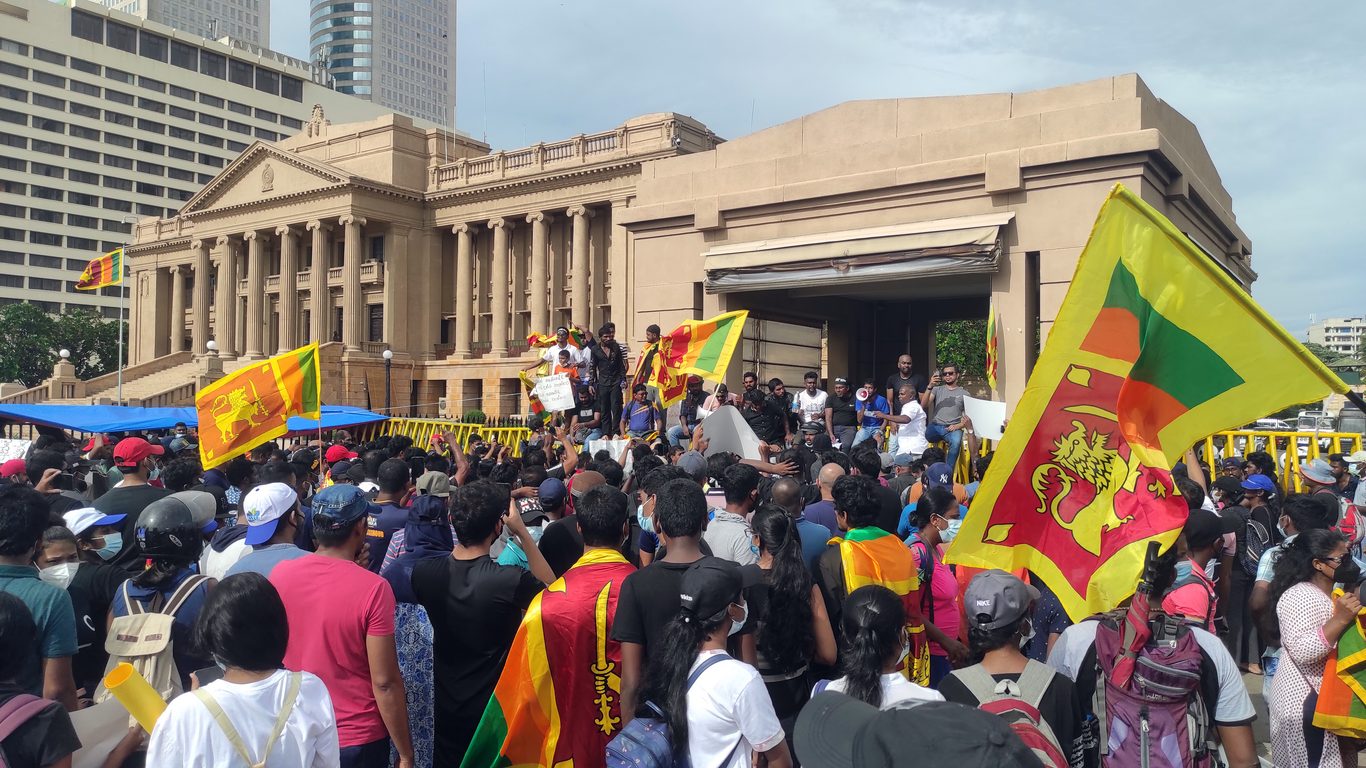
In the face of this overwhelming authoritarian violence, community action sprang up in response. Overnight, school parent groups and neighborhood WhatsApp chats transformed into mutual aid networks, delivering groceries and shuttling immigrant families safely to work and school. Local businesses posted signs barring ICE from entering and lined their checkouts with whistles and ‘zines, instructing citizens in how to observe and document ICE agents’ actions. After Renee Good was shot and killed by federal agents in her car, thousands of people joined peaceful demonstrations across the city and state. Despite the fear and terror brought by federal agents who drove through our streets waving weapons and teargas canisters out their windows, even more people took to the street after Renee Good’s death, patrolling schools, bus stops, and immigrant business corridors to ensure our neighbors’ safety. This, I thought to myself, is the goodness, the light.
When Alex Pretti was violently murdered by federal agents on the street just two weeks after Renee Good’s killing — and less than 24 hours after one of the largest peaceful protests in Minnesota history — the darkness began to feel unbearable. My fellow residents of Minneapolis were gutted, grieving and angry; we spent that day wandering in a fog, while seeing with crystal clarity the injustice and terror around us.
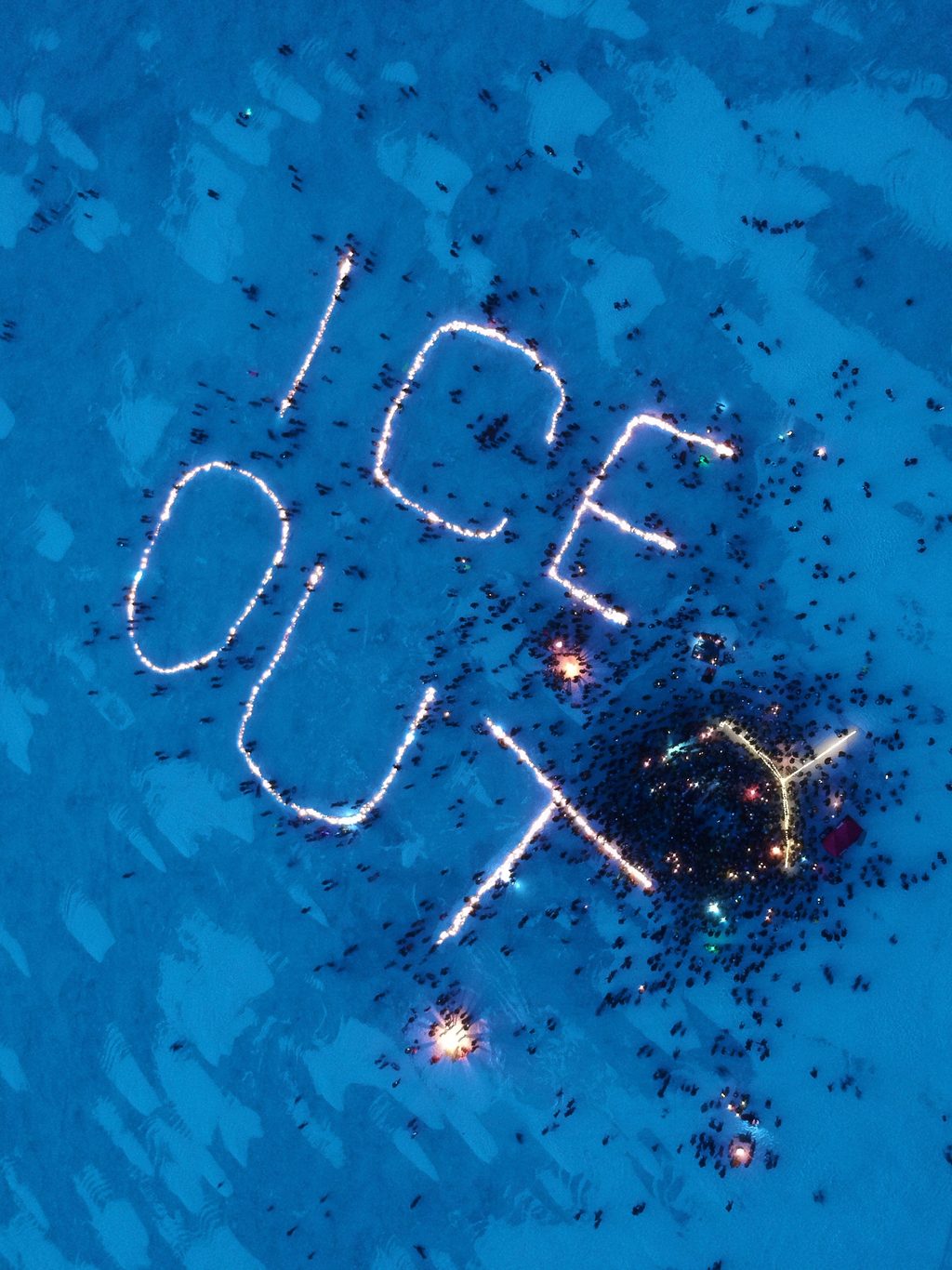
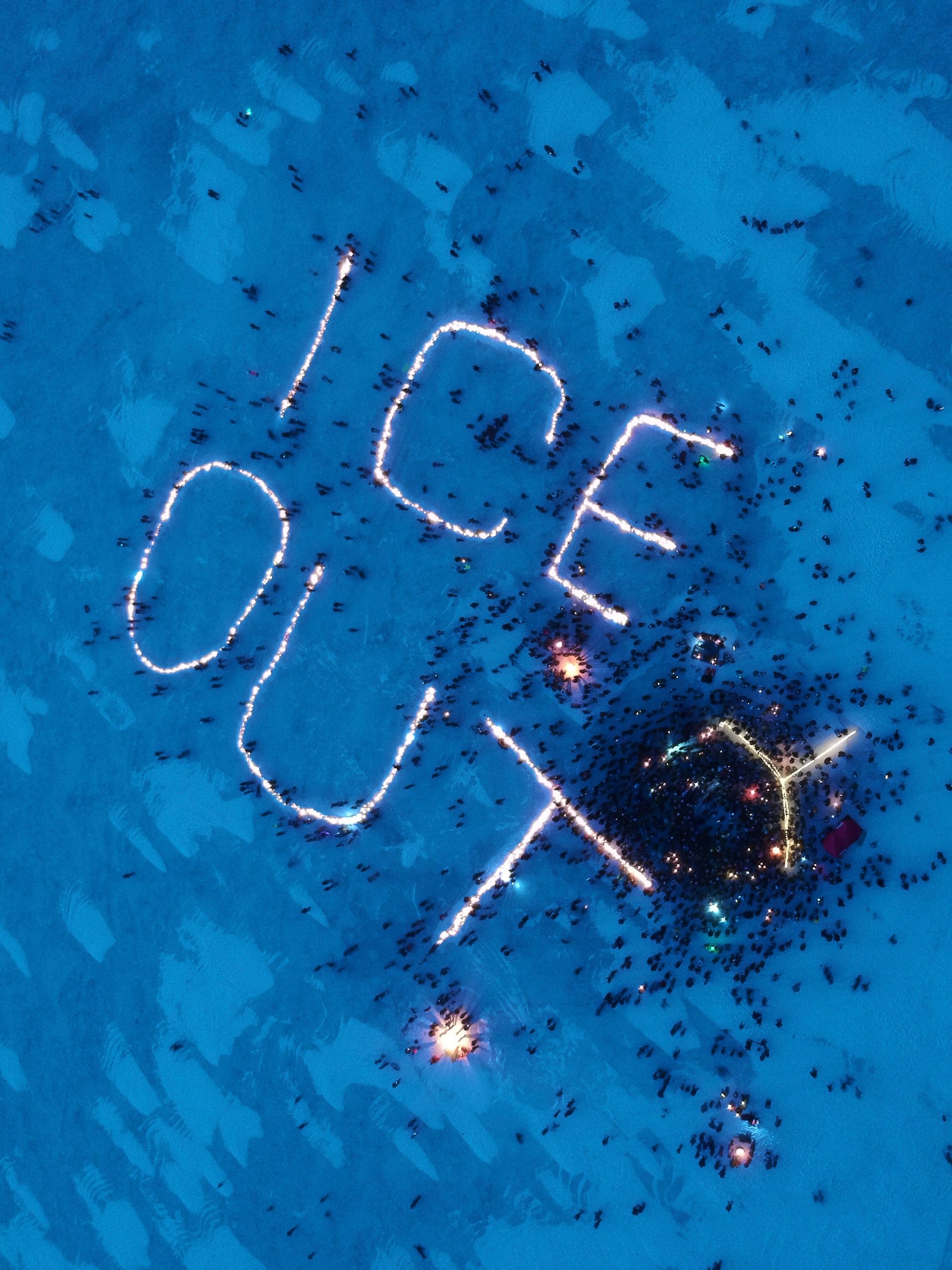
That same night, though, something remarkable happened. The light literally began to shine in the darkness. Small groups of neighbors gathered throughout Minneapolis, block by block, holding vigils with candles and campfires in the frigid cold. I drove through South Minneapolis that night, awash in grief and wonder each time I came upon another group of people, their frozen breath dancing up like smoke signals, their candles casting light into the pitch black sky above.
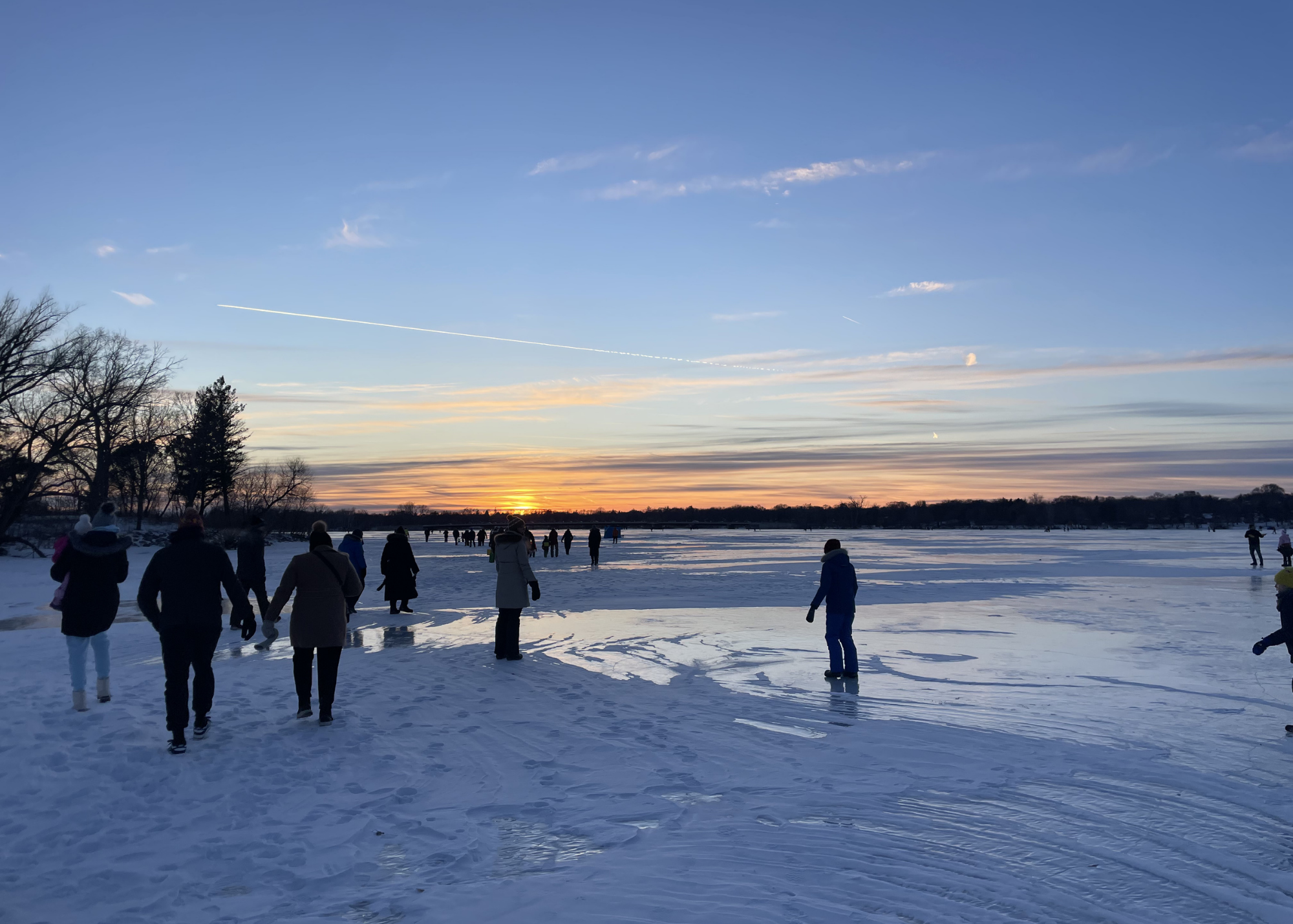
As weeks turned into months, the healer’s words echoed in my heart. The only thing that runs as deep as the grief I’ve felt these past months is the faith we’ve built in our collective voice for peace, dignity, and safety for our entire community. The blinding light of collective community action shines bright.
I’ve also found myself reflecting frequently on lessons I’ve learned over the years from feminist organizers across the globe — and how much I see those lessons in action on the streets of Minneapolis. Feminist movements have a long history of learning from each other across contexts, adapting and iterating as we build our collective path to liberation, one community at a time. The lessons below are my offerings to our collective roadmap of how we continue to grow the number of people with goodness and light in our hearts, committed to building peace and justice in our communities across the globe.
Build leaderful movements, grounded in community
Feminist organizers know that the strength of our movements is not held in a single charismatic leader, but rather in the people power that we build together.
Community response in Minneapolis is decentralized, but highly organized — interlocking networks of rapid response, mutual aid, and protest, joined through Signal groups, parent teacher organizations, immigrant-led and serving organizations, and community organizers. Many of these networks grew out of similar efforts started after George Floyd’s murder.
I cringe every time I hear the media describe this as a “leaderless” movement. As I move through Minneapolis, I see so many ordinary citizens stepping into their leadership and power every day. I see it in the mother at my daughter’s school, who coordinates food distribution for 350 families every week. In an immigrant parent who, even when trapped at home for safety, spends her days calling other immigrant families to ensure their mutual aid needs are documented and met. In Somali-led organizations directing white allies on how and where to respond when a white supremacist came to town to organize an anti-immigrant march in a Somali neighborhood. In the parents who are not only organizing mutual aid, but also using their voices at the State capitol to demand eviction freezes, rent relief for impacted families, and safety ordinances to protect daycare workers. In the grandmothers at my gym who organize rides to protests and coordinate their calls to congress.
It is virtually impossible to track the number of specialized, self-organized response efforts in Minneapolis, ranging from notaries who visit immigrant families’ homes, carpenters who fix doors broken down by ICE agents, and medical providers offering underground care. Over the past several months, the consistent answer to the question “What can I do?” was “Do what you can.” The feedback given when a new idea was offered in a chat – “Great idea, what do you need to organize it?”. Decentralized, relational organizing allows for a multiplicity of onramps, where newcomers are able to find their lanes and we can share knowledge and resources in horizontal relationships.
Center the voices and leadership of those most impacted by the crisis
Feminist funds are founded on the premise that resources belong in the hands of local leaders, who are best positioned to understand and respond to problems in their communities. By supporting networks of groups who are led by the community members they serve, feminist funds give voice and agency to directly-impacted individuals. Community-based organizations and movements aren’t just better placed to respond in moments of crises — they are working in the community well before international attention arrives and stay long after media attention fades. These groups build early warning systems, able to recognize and respond to potential threats well before the full storm arrives.
In Minneapolis, the effectiveness of rapid response networks came in part from following the leadership of immigrant-led organizations, while also allowing for autonomous and spontaneous organizing efforts to grow and link in with existing infrastructure. Immigrant-led coalitions began training community members as constitutional observers back in December 2024, a year before Operation Metro Surge began. These trainings themselves grew out of many years of collaboration across immigration-led organizations in the Twin Cities.
The leadership of these groups needs to be recognized, uplifted, and resourced for the long-run, because it is the backbone of our collective resilience. In Minneapolis, their investment in early warning systems enabled a robust, diverse response far beyond the reach of their individual organizations. Their leadership catalyzed an entire city to organize itself neighborhood by neighborhood, grounded in the direction and principles set out a year before.
Put care at the center of our movements
Feminists have long spoken and acted on the importance of collective care in sustaining movements. Black feminists in particular have led the way, recognizing that within the existing systems of oppression, holding space, caring for each other, and finding joy is itself a radical act of resistance. Under this framing, collective care is not just about individual acts of self-care; rather, it is a political act that seeks to redefine the ways we relate to and care for each other in community.
I’ve studied and funded collective care for decades, but these past months, I’ve learned these lessons in my body. When authoritarian and fascist leaders sought to pull us apart, each act of care for each other felt like a revelation, another thread woven into the fabric of our community holding tightly to each other. Every moment of joy we found in our shared purpose felt like a revolution, a quiet but forceful no to the forces trying to pull us towards hatred and darkness. As one of the brightest examples, Singing Resistance led hundreds of people through the streets of Minneapolis, singing joyful lyrics outside the hotels of federal agents, reminding them that it’s ok to change your minds, find your courage, leave this behind.
“In caring for each other, we are building the future we want now. We are embodying the community we want to live in, one where we are in relationship with each other and where we value and recognize each other’s unique contributions to our collective wellbeing.”
Care has been essential in the Minneapolis response, especially while immigrant families shelter in place. Mutual aid networks handle grocery shopping, laundry, healthcare, and transportation needs for at-risk families. Care-based mutual aid doesn’t just ask families what they need to survive, but what they want to feel safe, secure, and well in their lives today. In practice, this looks like grocery runs to immigrant-owned businesses to round out food shelf drop offs. Support to organize children’s birthday parties even while stuck at home. Free and online therapy to ensure immigrant families can access mental health support.
But mutual aid isn’t about charity or one way acts of care. We have seen incredible webs of reciprocity develop across diverse communities in Minneapolis. I’ve experienced this firsthand — when an immigrant family I’m supporting checks in to see how I am doing after a particularly rough day. Offers to cook dinner as a thank you for laundry and grocery support. Brings a treat for my child when I give them a ride home from work. Makes warm sambusas to distribute to protesters on a -10 F day in Minneapolis.
In caring for each other, we are building the future we want now. We are embodying the community we want to live in, one where we are in relationship with each other and where we value and recognize each other’s unique contributions to our collective wellbeing.
That brings me to my final offering. The strength of the response in Minneapolis was grounded in the strength of our relationships and community, in particular the strength of multi-racial organizing for justice in our communities. Our collective resilience lies in our ties to each other — something we all have a role to play in building and strengthening within our own communities. Every day is an opportunity to know your neighbors better, show up for needs in your community — big or small — and begin living into the promise of our collective liberation. Take these opportunities as a gift, an invitation to add to the goodness and the light.
References
African Feminism. (n.d.). Reclaiming and reimagining the politics of collective care as an act of radical existence. African Feminism. https://africanfeminism.com/reclaiming-and-reimagining-the-politics-of-collective-care-as-an-act-of-radical-existence/
Alliance Magazine. (2023). 3rd Feminist Republik Festival: Weathering the storm, seeding the future. Alliance Magazine. https://www.alliancemagazine.org/blog/3rd-feminists-republik-festival-weathering-the-storm-seeding-the-future/
Alliance Magazine. (2023). Accelerating feminist crisis response: Meeting need and finding healing in the midst of the storm. Alliance Magazine. https://www.alliancemagazine.org/blog/accelerating-feminist-crisis-response-meeting-need-and-finding-healing-in-the-midst-of-the-storm/
Amnesty International. (2025, April). Sudan: Rapid Support Forces’ horrific and widespread use of sexual violence leaves lives in tatters. Amnesty International. https://www.amnesty.org/en/latest/news/2025/04/sudan-rapid-support-forces-horrific-and-widespread-use-of-sexual-violence-leaves-lives-in-tatters/
CBS News Minnesota. (n.d.). Quiet candlelight vigils light street corners across Twin Cities area. CBS News Minnesota. https://www.cbsnews.com/minnesota/news/quiet-candlelight-vigils-light-street-corners-across-twin-cities-area/
Commons Library. (n.d.). All about movements: Why building movements creates deeper change. Commons Social Change Library. https://commonslibrary.org/all-about-movements-why-building-movements-creates-deeper-change/
Disaster Philanthropy. (n.d.). Sudan humanitarian crisis. Disaster Philanthropy. https://disasterphilanthropy.org/disasters/sudan-humanitarian-crisis/
Hoody, B.. (n.d.). Hoody Consulting. hoodyconsulting.com. https://www.hoodyconsulting.com/
KARE 11. (n.d.). Twin Cities law enforcement raises concerns about ICE agents racially profiling citizens. KARE 11. https://www.kare11.com/article/news/local/ice-in-minnesota/twin-cities-law-enforcement-raises-concerns-about-ice-agents-racially-profiling-citizens/89-80f7b210-df6f-4516-9c05-20cf8890c7bb
KFF Health News. (n.d.). Minneapolis immigration crackdown: Underground medical care networks. KFF Health News. https://kffhealthnews.org/news/article/minneapolis-immigration-crackdown-underground-medical-care-networks/
Minnesota Reformer. (2026, January 8). Minneapolis schools cancel class following ICE shooting. Minnesota Reformer. https://minnesotareformer.com/2026/01/08/minneapolis-schools-cancel-class-following-ice-shooting/
Minnesota Reformer. (2026, January 10). Thousands march in Minneapolis to protest ICE after shooting. Minnesota Reformer. https://minnesotareformer.com/2026/01/10/thousands-march-in-minneapolis-to-protest-ice-after-shooting/
Minnesota Reformer. (2026, January 24). Another Minnesotan shot and killed by feds. Minnesota Reformer. https://minnesotareformer.com/2026/01/24/another-minnesotan-shot-and-killed-by-feds/
Minnesota Reformer. (2026, February 20). A chronology of Operation Metro Surge. Minnesota Reformer. https://minnesotareformer.com/2026/02/20/a-chronology-of-operation-metro-surge/
Minnesota Reformer. (2026, April 3). Civic order gets made one sign on the door at a time. Minnesota Reformer. https://minnesotareformer.com/2026/04/03/civic-order-gets-made-one-sign-on-the-door-at-a-time/
MPR News. (2026, January 9). Renee Good’s wife releases statement about ICE shooting. MPR News. https://www.mprnews.org/story/2026/01/09/renee-goods-wife-releases-statement-about-ice-shooting
MPR News. (2026, February 19). During ICE surge, Minnesota immigrants share their stories from hiding. MPR News. https://www.mprnews.org/story/2026/02/19/during-ice-surge-minnesota-immigrants-share-their-stories-from-hiding
Ms. Magazine. (2026, February 23). ICE in Minneapolis: Groups, mutual aid, organizing, George Floyd, Renee Good, Alex Pretti. Ms. Magazine. https://msmagazine.com/2026/02/23/ice-minneapolis-groups-mutual-aid-organizing-george-floyd-renee-good-alex-pretti/
New York Times. (2026, January 15). Minneapolis couple, ICE, tear gas, 6 children. The New York Times. https://www.nytimes.com/2026/01/15/us/minneapolis-couple-ice-tear-gas-6-children.html
NPR. (2025, October 11). Nobel Peace Prize nominee: Sudan’s emergency response rooms. NPR. https://www.npr.org/sections/goats-and-soda/2025/10/11/g-s1-92906/nobel-peace-prize-nominee-sudan-emergency-response-rooms
Prospera – International Network of Women’s Funds. (n.d.). Prospera – International Network of Women’s Funds. prospera-inwf.org. https://prospera-inwf.org/
Prospera – International Network of Women’s Funds. (n.d.). Our story. Prospera – International Network of Women’s Funds. https://prospera-inwf.org/our-story/
Sahan Journal. (n.d.). ICE constitutional observer training: Minnesota and Midwest expansion. Sahan Journal. https://sahanjournal.com/immigration/ice-constitutional-observer-training-minnesota-midwest-expansion/
Sahan Journal. (n.d.). Minnesota ICE-out economic shutdown protest at Target Center. Sahan Journal. https://sahanjournal.com/immigration/minnesota-ice-out-economic-shutdown-protest-target-center/
SIHA Network. (n.d.). Feminist initiatives in Sudan: A story of resilience, resistance and solidarity. SIHA Network. https://sihanet.org/feminist-initiatives-in-sudan-a-story-of-resilience-resistance-and-solidarity/
Star Tribune. (n.d.). Minnesota’s Singing Resistance seeks to heal through love. Star Tribune. https://www.startribune.com/minnesotas-singing-resistance-seeks-to-heal-through-love/601582250
Star Tribune. (n.d.). People find ways to help as ICE surge continues in Twin Cities. Star Tribune. https://www.startribune.com/people-find-ways-to-help-as-ice-surge-continues-in-twin-cities/601564938
The Guardian. (2026, February 18). Sambusa: Food, Minneapolis Somalis, and ICE. The Guardian. https://www.theguardian.com/environment/2026/feb/18/sambusa-food-minneapolis-somalis-ice
UN News. (2025, December). Sudan: Hospitals collapse amid conflict. United Nations. https://news.un.org/en/story/2025/12/1166673
Urgent Action Fund. (n.d.). Collective care. Urgent Action Fund. https://urgentactionfund.org/collective-care/