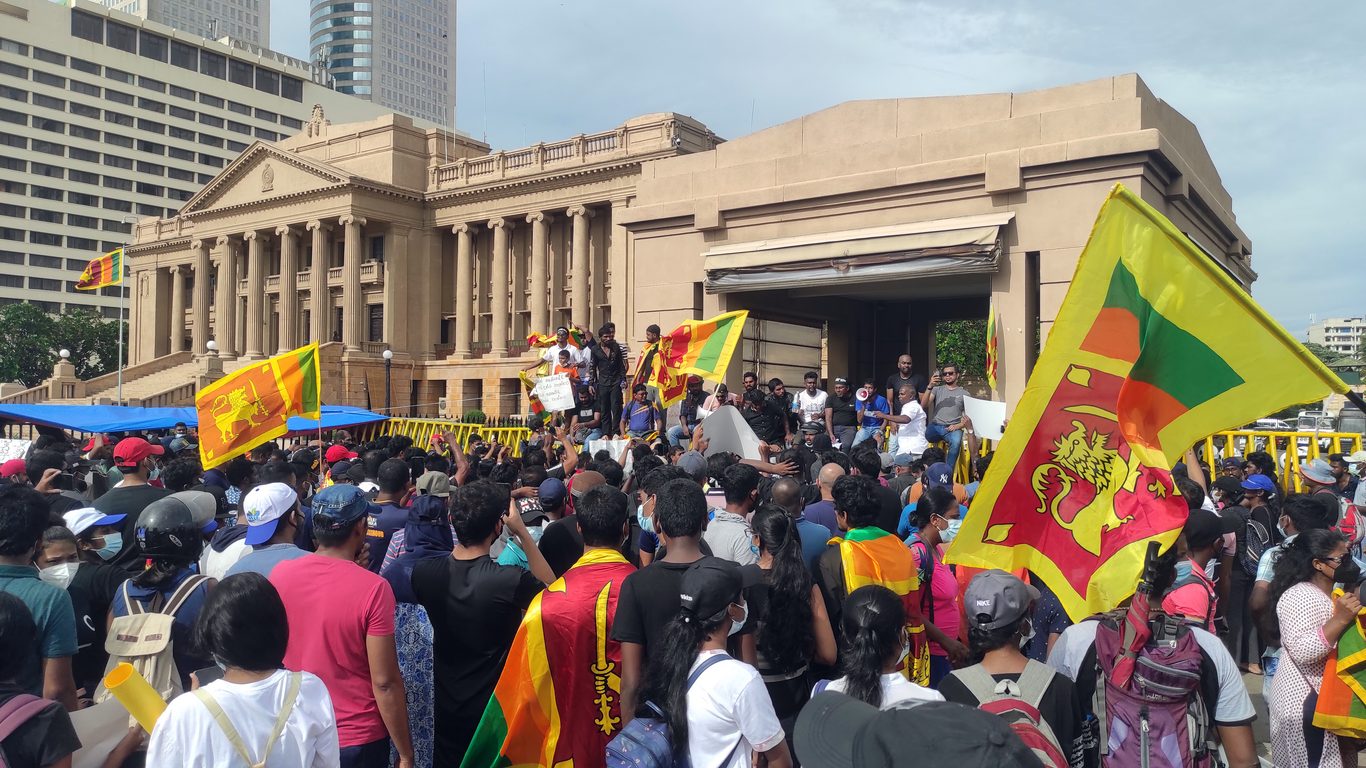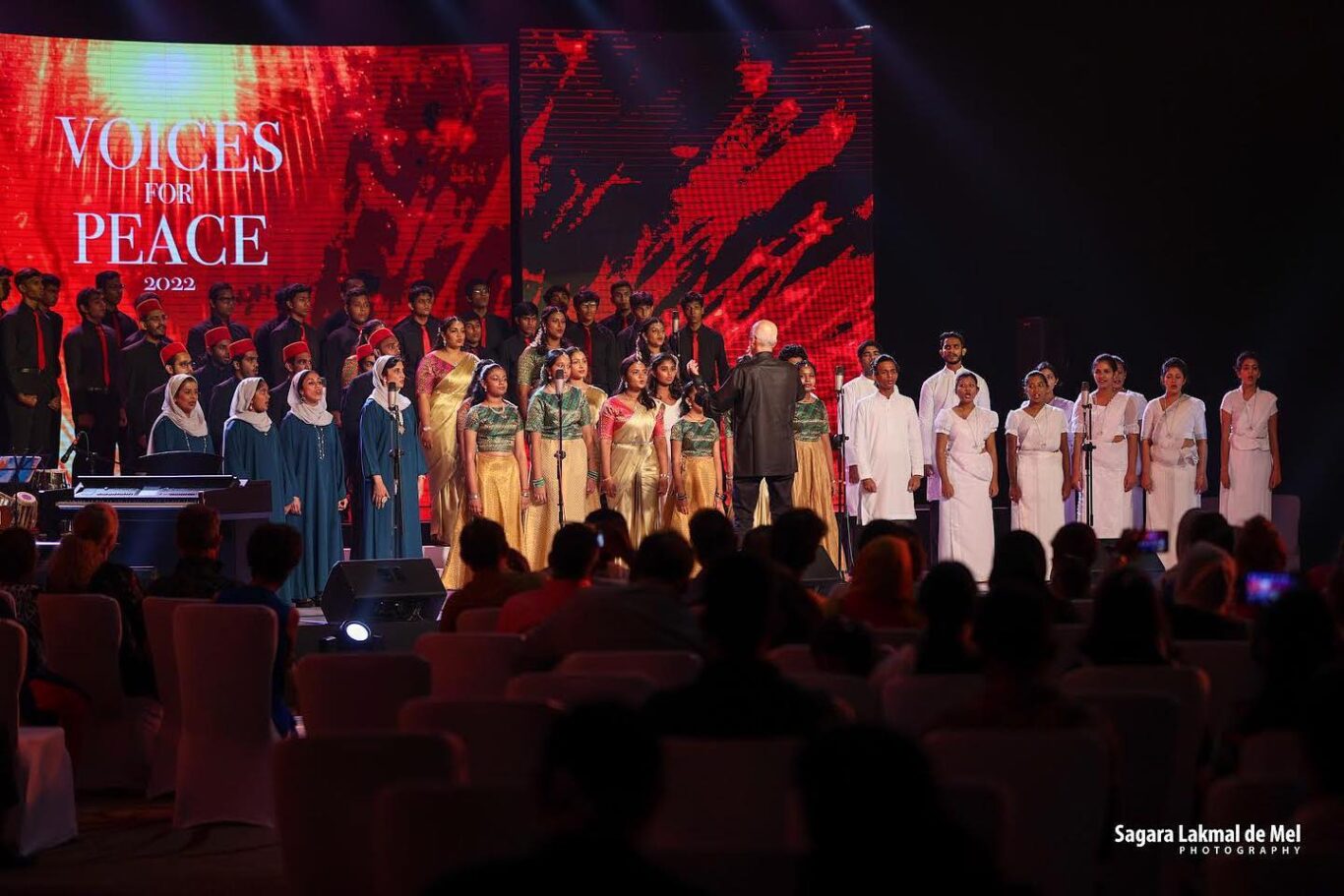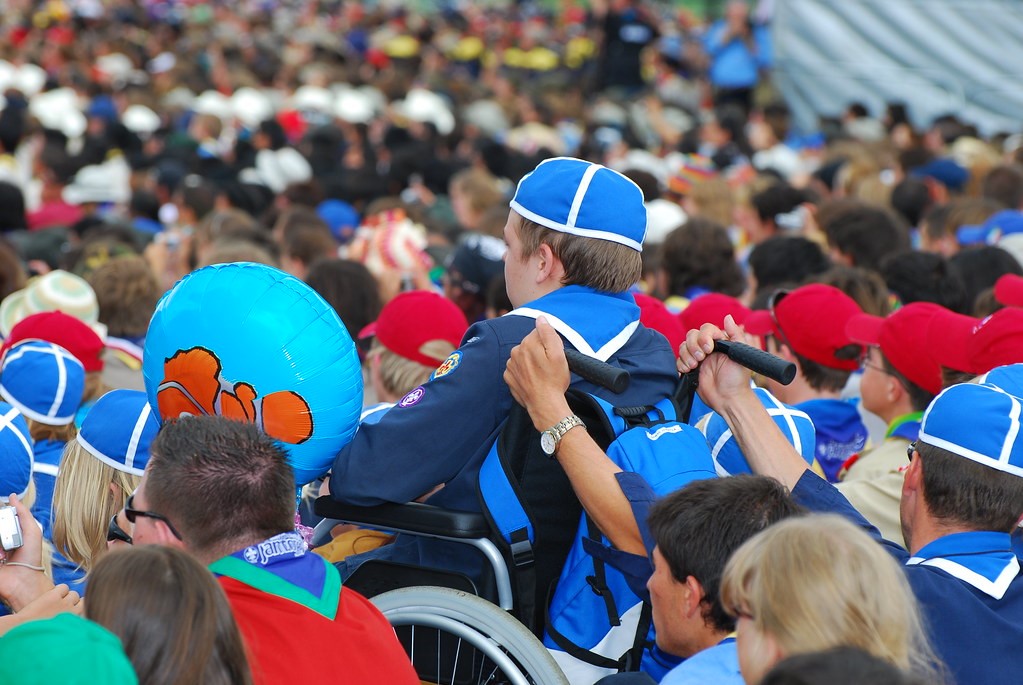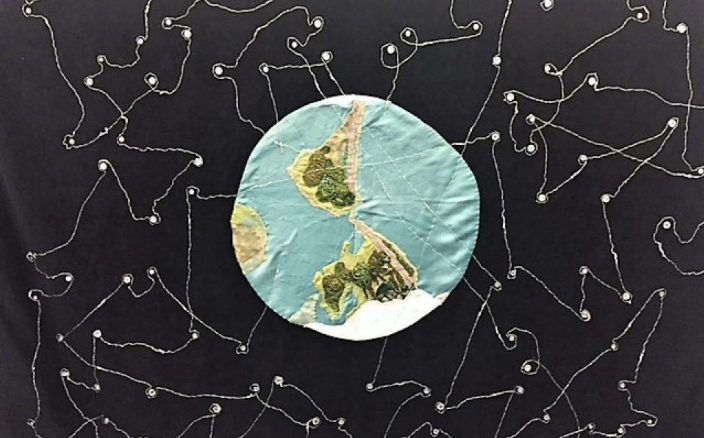
The evidence is clear: nonviolent, people-powered movements are among the most effective forces for democratic change in the world today; often outperforming formal state and international mechanisms in protecting rights and advancing equity. They are also evolving, organizing across borders and issues in ways that demand an equally adaptive philanthropic response. Yet support for this work continues to fall dangerously short. Donor silos, rigid funding structures, and a persistent failure to coordinate have left movements under-resourced precisely when the stakes are highest. That gap is now widening: the Human Rights Funders Network projects that human rights-focused Official Development Assistance will fall by up to $1.9 billion annually by 2026. That’s a 31 percent drop from 2023 levels.
Philanthropy cannot fill this void alone—nor should it be expected to. But it can choose how to respond. The question is no longer whether to fund movements; it is whether philanthropy has the courage to do so with the boldness and strategic clarity the moment demands.
Understanding what that courage requires starts with the political environment philanthropy is now operating in — one that has grown not only more hostile, but more coordinated in its hostility.
Fear, Pressure, and the Funder’s Dilemma
Over the last two years, foundations and major donors in the United States have found themselves navigating a political environment unlike any in recent memory; one in which the machinery of the federal government has been directed, with increasing explicitness and vitriol, at institutions supporting positive social change.
What makes this moment especially alarming is that these threats are not isolated. Authoritarian and populist regimes across the globe are sharing tactics, resources, and narratives across borders; coordinating to suppress civic space in ways that are transnational in both scope and design. Fewer than seven in ten people worldwide now live in open or free societies. The domestic crackdown on U.S. philanthropy is not an anomaly; it is part of a larger global pattern.
The Risk of Supporting Dissent and Progress
In September 2025, the U.S. administration issued a presidential memorandum directing the Internal Revenue Service (IRS) to ensure that no tax-exempt entity was financing what the administration characterized as domestic terrorism, and to refer suspected organizations to the U.S. Department of Justice. Earlier in the year, the administration had raised the prospect of revoking the 501(c)(3) status of climate and immigration organizations. The National Council of Nonprofits was unequivocal in its response: “Baseless criminal and civil investigations into nonprofits are not about preventing violence — they are about silencing organizations and individuals with which the administration disagrees.”
These threats cast a chill throughout the sector. Many funders are grappling with a central question: pursue a defensive, risk-minimizing posture for themselves and partners, or continue supporting the movements essential to democratic life and accept the political exposure that entails. The danger of the former is simple: when funders pull back, the organizations doing the most essential work – often small, community-based, and under-resourced – lose critical support at exactly the moment they need it most. In the shadow of the threats from the U.S. Administration, collective action across a diverse set of philanthropies has emerged; coalitions such as United in Advance and the Block and Build Coalition are coordinating sector-wide resistance, creating the space for even the foundations most prominently in the crosshairs to either sustain or increase their grantmaking.
Why We Need to Support Movements Now
The strategic case for support for social movements is as strong as the moral one. Diffuse, networked movements are harder to dismantle than individual organizations. They can shift tactics, adapt to repression, and maintain momentum even when specific groups face legal or financial pressure. Cross-issue solidarity — connecting racial justice, workers’ rights, climate action, and immigrant rights — builds durable infrastructure that outlasts political cycles and global solidarity allows for sharing key tactics and approaches across borders. Critically, as I argued last year, the struggle for human rights both in the U.S. and around the world are inseparable: rising authoritarianism, disinformation, attacks on LGBTQ+ rights, and restrictions on civic space are shared tactics that travel across borders. Funders who separate domestic and international work are missing critical opportunities to anticipate emerging threats and strengthen movements through transnational connection.
“Cross-issue solidarity — connecting racial justice, workers’ rights, climate action, and immigrant rights — builds durable infrastructure that outlasts political cycles and global solidarity allows for sharing key tactics and approaches across borders.”
This demands a fundamental rethinking of how philanthropy engages with movements. Historically, funders have struggled to provide the right support at the right time — favoring institutional stability over adaptive grassroots organizing, preferring formal organizations to informal networks, and coordinating in ways that force movements to compete for scarce resources rather than build collective power. Philanthropy must help break down the thematic and geographic silos created by its own strategic and funding streams, and instead build interconnected, intersectional strategies that unite global majority and global north coalitions to confront shared threats and act with the same strategic focus that those who oppose human rights have.
Closing this gap is not merely a matter of better grantmaking — in the current environment, it’s essential to the survival of democratic civic space.
A Model for the Moment: The Collective Action Assistance Fund
Against this backdrop, the Collective Action Assistance Fund (CAAF) provides a model of reimagined philanthropy by shifting decision-making power toward activists themselves, through a straightforward, streamlined, collaborative grantmaking process. Housed at Humanity United’s Charitable Fund, CAAF is a three-year, activist-led and advised multi-donor initiative co-created by Global Majority movements and their allies across key sectors. It was built with and for movements, grounded in the conviction that civic participation and collective action are essential to attaining rights, justice, and equity. Guided by a Grant Review Panel of seven movement actors from around the globe, CAAF has adopted a “companionship” approach to grantmaking, with Grant Review Panel members sharing their personal experience, solidarity, and mentorship with CAAF grantee partners.
CAAF’s premise is that philanthropy works best when it is responsive, demand-driven, and participatory. The fund pools financial and non-financial resources — grants, technical expertise, access to policy spaces, and peer networks — to serve as a catalyst for cross-issue coordination and solidarity. Its four interconnected workstreams focus on strengthening and resourcing social movements, amplifying civic voice and agency, fortifying movement infrastructure and safety, and cultivating funder alignment and accountability. The structure is designed to build the connective tissue that enables movements to function at their full potential and to coordinate at scale across sectors and borders.
For example, research shows that authoritarian actors rely on four key pillars of support to sustain their power, and that authoritarian governments and non-state actors are increasingly coordinating transnationally to protect and expand that power. Understanding these dynamics is only useful if it translates into action; which is where CAAF comes in. We’re creating and supporting secure spaces for intersectional convenings, scenario planning, and collective imagination among donors and practitioners, so that this knowledge can be turned into concrete strategy. Examples include ensuring American pro-democracy activists are learning and coordinating with their peers in Europe, Africa, and Latin America. We’re expanding access to valuable information on illicit financial flows so movements globally can develop and implement more targeted and effective campaigns against those attacking fundamental rights and freedoms, and eroding democracy. Overall, we mobilize the financial and non-financial resources needed to experiment with, and scale, the approaches that emerge.
“Philanthropy must help break down the thematic and geographic silos created by its own strategic and funding streams, and instead build interconnected, intersectional strategies that unite global majority and global north coalitions to confront shared threats…”
What distinguishes CAAF from conventional philanthropic models is not only its structure but its philosophy. It explicitly rejects the dynamics that have long frustrated movement leaders: competition between grantees for scarce resources, short-term project funding that undermines long-term planning, and the privileging of formal organizations over informal networks. Instead, CAAF provides ecosystem grants that connect movements to investigative journalists, unions, communications specialists, and civil resistance trainers — the connective tissue of a healthy movement ecosystem and a direct reflection on the growing understanding that durable change emerges from strong networks, not single individuals or organizations.
Crucially, CAAF’s design also addresses one of the central strategic vulnerabilities of the current political environment: the visibility of any single funding relationship. By investing in interconnected systems rather than high-profile individual organizations, the fund distributes risk while amplifying collective impact. By bridging global majority and global north coalitions, it builds the kind of transnational, intersectional solidarity that is easier to defend.
Conclusion: The Time for Courage
The threats facing philanthropy are real. The use of the IRS, the U.S. Department of Justice, and tactics meant to intimidate funders and nonprofits represents a genuine challenge to the independence of civil society. These risks require foundations to be more strategically and operationally coordinated than in the past; and clear-eyed about what they are facing. These risks cannot be dismissed.
And yet, risk cannot become a justification for inaction. As David Callahan argued in his March 2026 Inside Philanthropy analysis, the political moment is shifting fast enough that philanthropy should now be moving from a defensive posture to an offensive one. The movements most at risk — those working on racial equity, climate, immigration, and democratic governance — are also those with the greatest potential to shape the trajectory of the coming decade. The sector has the resources, the relationships, and increasingly the resolve to rise to this moment.
History offers both warning and inspiration. American civil society has not faced pressure of this kind since the civil rights era, when pre-segregation state governments targeted organizations like the NAACP. In the face of immense pressure, organizations did not retreat. They organized, built coalitions, and ultimately prevailed. The Collective Action Assistance Fund represents a concrete answer to the question of what courageous, movement-centered philanthropy looks like in practice: activist-led, globally connected, ecosystem-oriented, and grounded in the conviction that when movements are well-resourced, well-networked, and well-supported, they win.
That is the work philanthropy must continue. Not despite the political moment, but because of it.
“The movements most at risk — those working on racial equity, climate, immigration, and democratic governance — are also those with the greatest potential to shape the trajectory of the coming decade. The sector has the resources, the relationships, and increasingly the resolve to rise to this moment.”