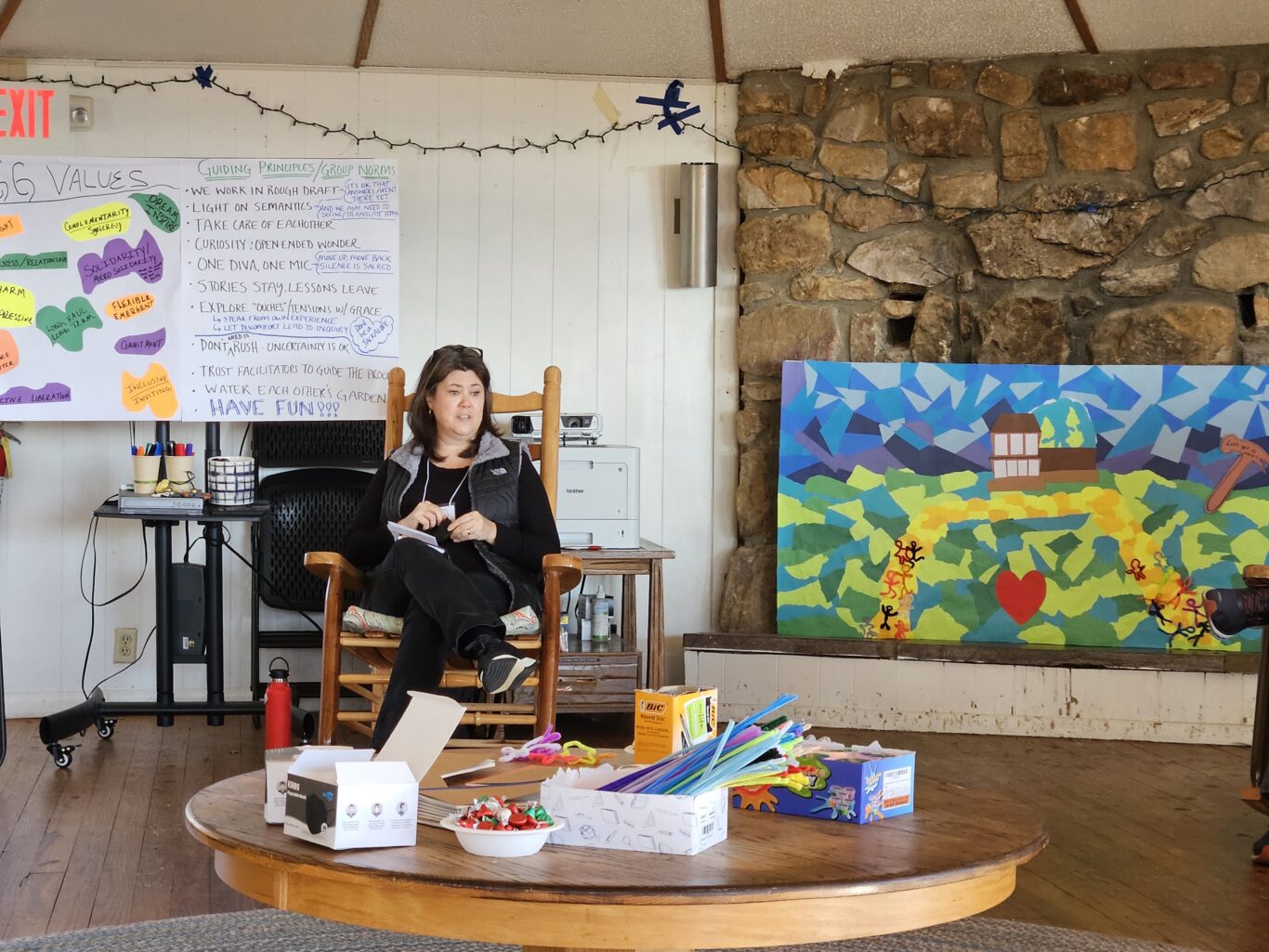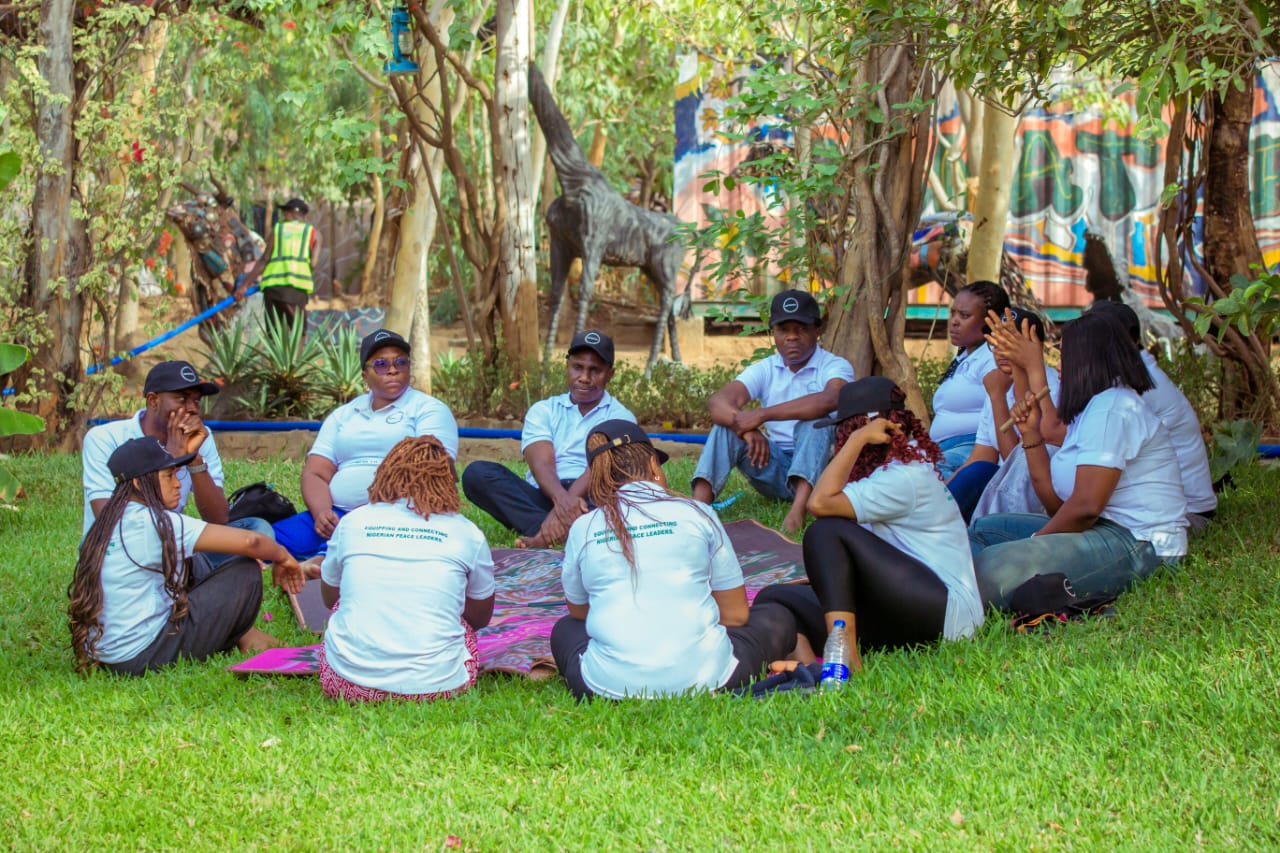
A typical evening of rehearsal in Colombo when voices come together in a makeshift space, an intimate gathering members look forward to attending.
There is no stage. No audience. Only the sound of breath, exhale and inhale moving collectively as warmups begin. One voice inhales. Another adjusts pitch. A third listens carefully before entering. The room slowly fills with sound, not as performance, but as shared presence in quiet anticipation.
This experience, repeated week after week, became the foundation of a journey that unfolded across the past decade in Sri Lanka. In that moment, differences do not disappear; they are held. Individual identities remain intact yet begin to contribute to something larger than themselves. Harmony does not erase difference; it depends on it.
This simple act of singing together may seem ordinary. Yet within societies shaped by division, it can become transformative.
Artistic Collaboration: A Framework for Trust
Over the past decade in Sri Lanka, the development of the Muslim Choral Ensemble and the interfaith platform Voices for Peace have explored how sacred music can function as a form of collective engagement.
What began as an exploration of Islamic devotional music within a choral framework, gradually evolved into a collaborative ecosystem connecting artists, communities, institutions, and international colleagues. Through rehearsal, performance, and shared process, sacred sound has become a structured pathway for trust-building, an expression of collective power rooted in creativity rather than confrontation.
At its core, this work demonstrates that peace is not only negotiated through dialogue but practiced through participation. Listening, adjusting, and responding to one another in sound becomes a lived experience of coexistence.
Reimagining Sacred Sound
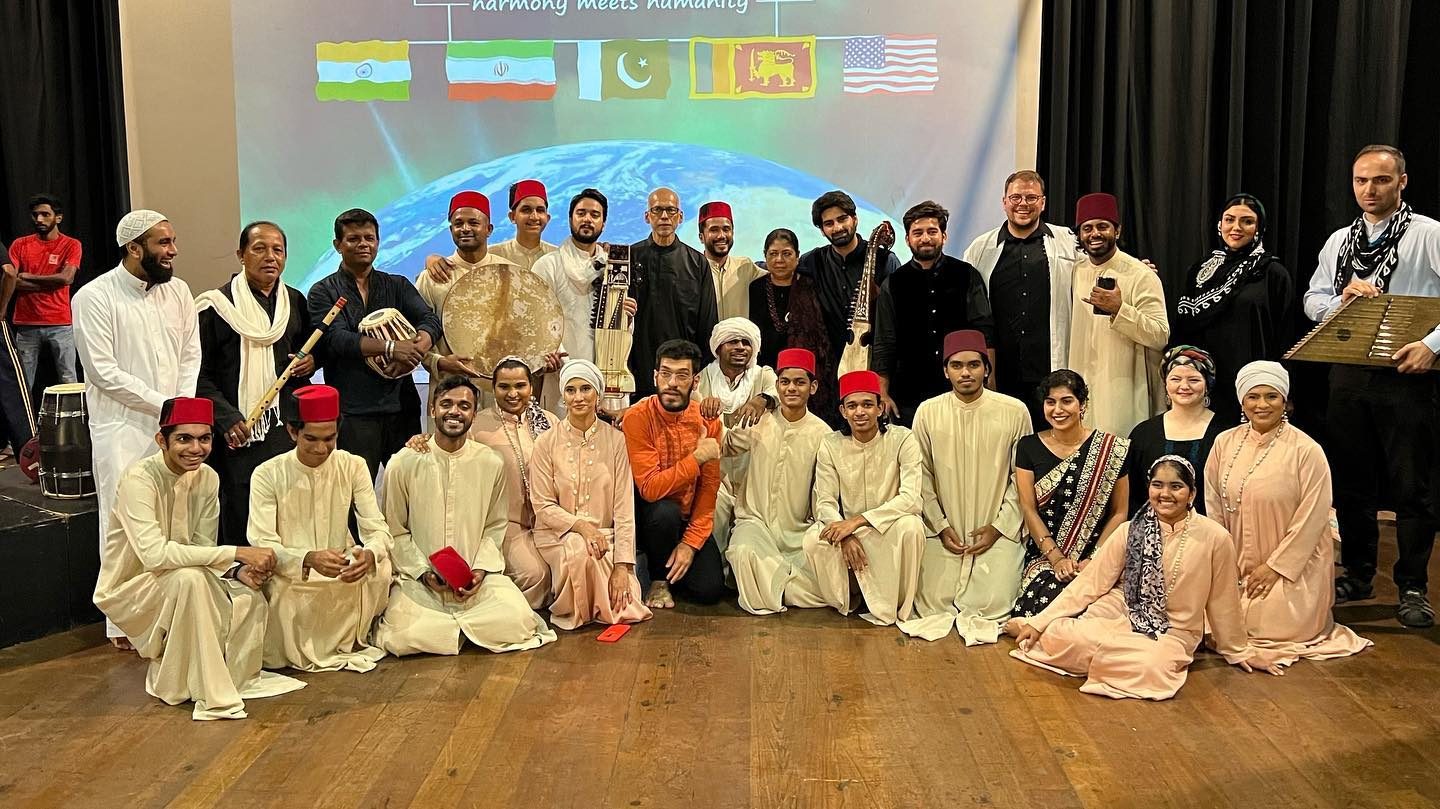
The Muslim Choral Ensemble was founded in 2016 with a guiding question: could Islamic devotional traditions be explored within a structured choral practice while maintaining spiritual authenticity?
In many Muslim communities, devotional sound exists within intimate spaces, homes, mosques, and spiritual gatherings. While deeply rooted, these traditions rarely enter formal artistic environments where collective discipline, vocal training, and structured rehearsal can further refine them.
The ensemble, initially known as Aswatuna (“Our Voices”), was conceived as a shared space rather than a performance group. From the outset, it welcomed diversity across ethnic, cultural, and spiritual expressions, including Sri Lankan Moor, Sri Lankan Malay, and Indian Muslim traditions, as well as varying spiritual traditions. Participation has remained inclusive, extending even to those outside the faith who wish to engage respectfully with sacred sounds.
The ensemble reflects a balanced composition across gender, with participants ranging from youth to adults, creating an intergenerational space of learning and exchange that is encouraged.
Rehearsals begin with physical grounding and vocal exercises, followed by collective engagement with repertoire. The process emphasizes listening as discipline. Singers learn by listening and blending with others, adjusting tone, timing, and presence in response to fellow members. These practices, though musical in form and a cappella, reflect essential principles of coexistence: attentiveness, humility, and shared responsibility.
Artistic Leadership and Structure
As the ensemble developed, artistic leadership became essential in shaping both its discipline and direction. Guidance in choral practice and peace centered artistic engagement helped establish a structure where spiritual integrity and artistic rigor could coexist.
Vocal training focused not only on technique, breath control, tonal balance, and ensemble cohesion, but also on cultivating patience, trust, and collective accountability. Each singer contributes to the whole, yet no voice stands alone.
This structure enabled the ensemble to grow beyond an informal gathering into a disciplined collective, capable of engaging both local and international platforms while remaining rooted in its spiritual foundations.
Collective Encounters Beyond Borders
Participation in international choral festivals created opportunities for deeper engagement across cultures and traditions. These encounters demonstrated that sacred music, when presented with integrity, can enter global artistic spaces without losing its essence.
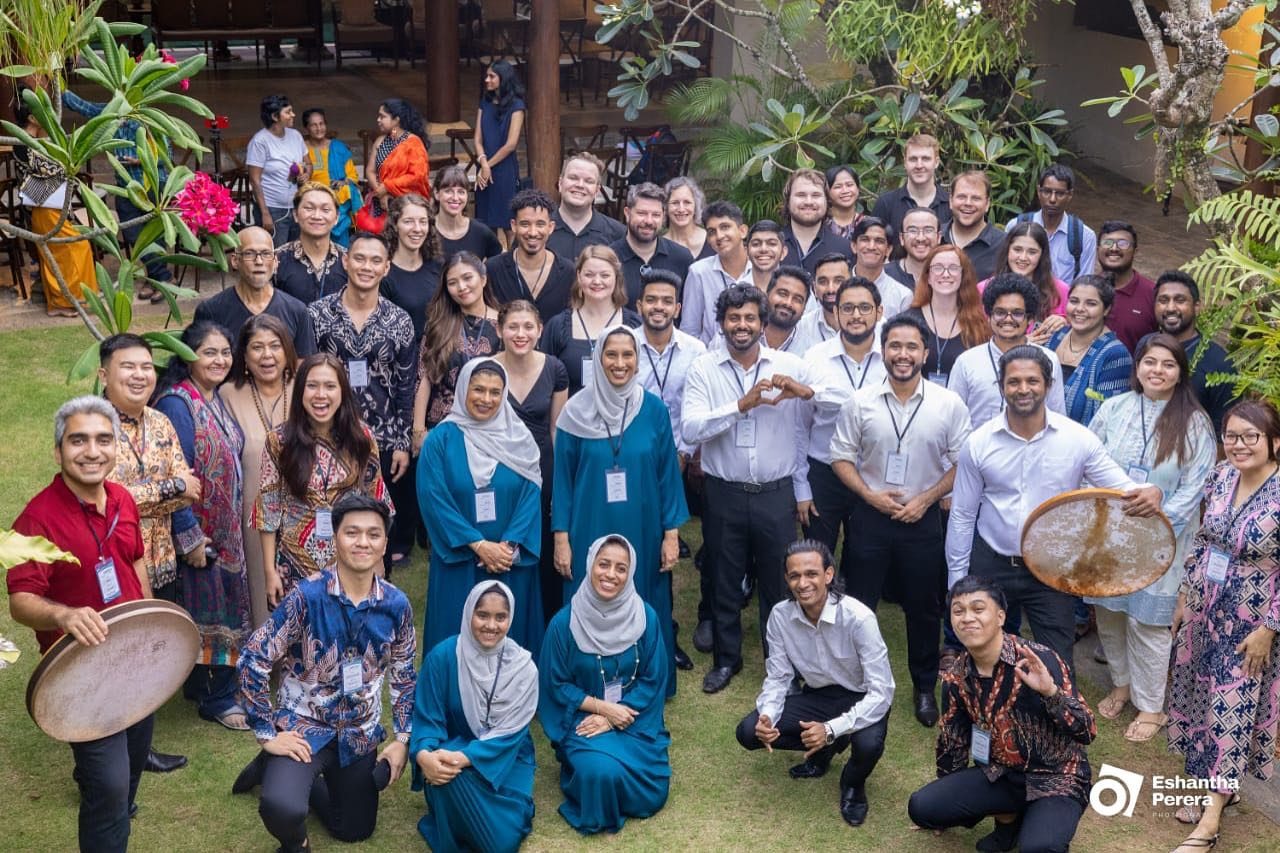
Such experiences expanded the understanding of collective singing as a universal language, one that goes beyond geographic boundaries and enables connection through shared presence. For participants, these moments affirmed that local devotional practices could connect meaningfully within global contexts.
Peace After Crisis: The Emergence of Voices for Peace
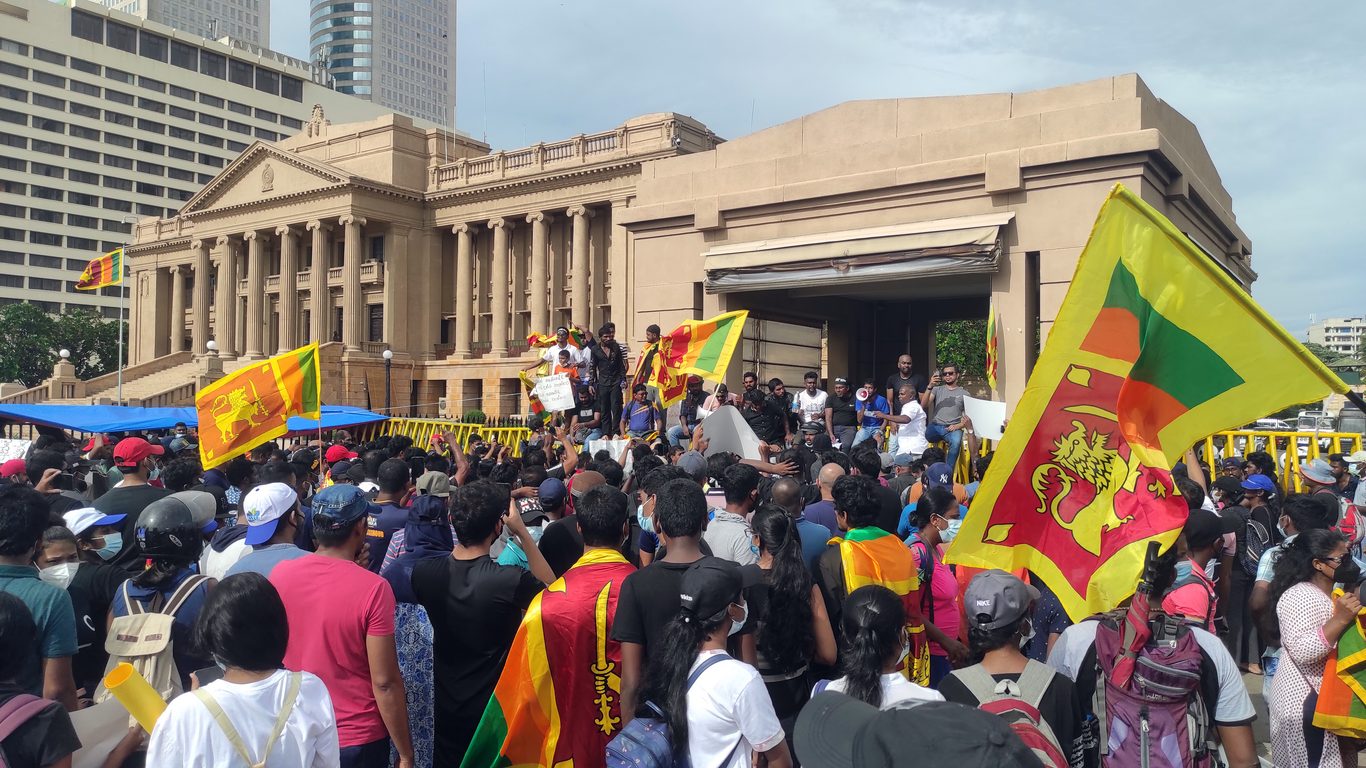
In April 2019, Sri Lanka experienced devastating attacks that deeply affected communities across religious and social lines. In the aftermath, trust, belonging, and collective identity were strained.
In moments of social fracture, cultural initiatives can offer a stabilizing role. Artistic spaces create environments where people can gather without the pressures of political negotiation, allowing connection to emerge through shared experience.
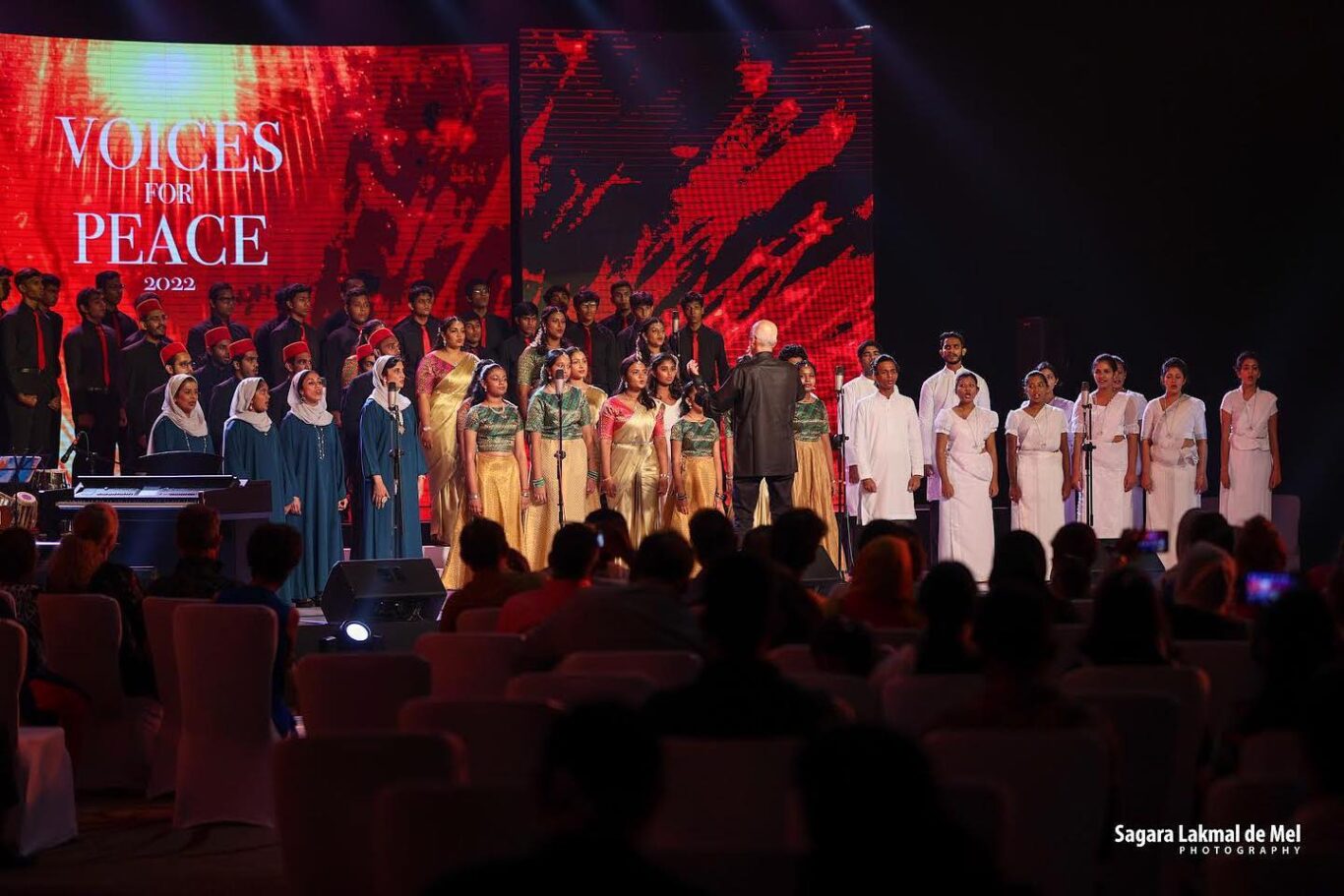
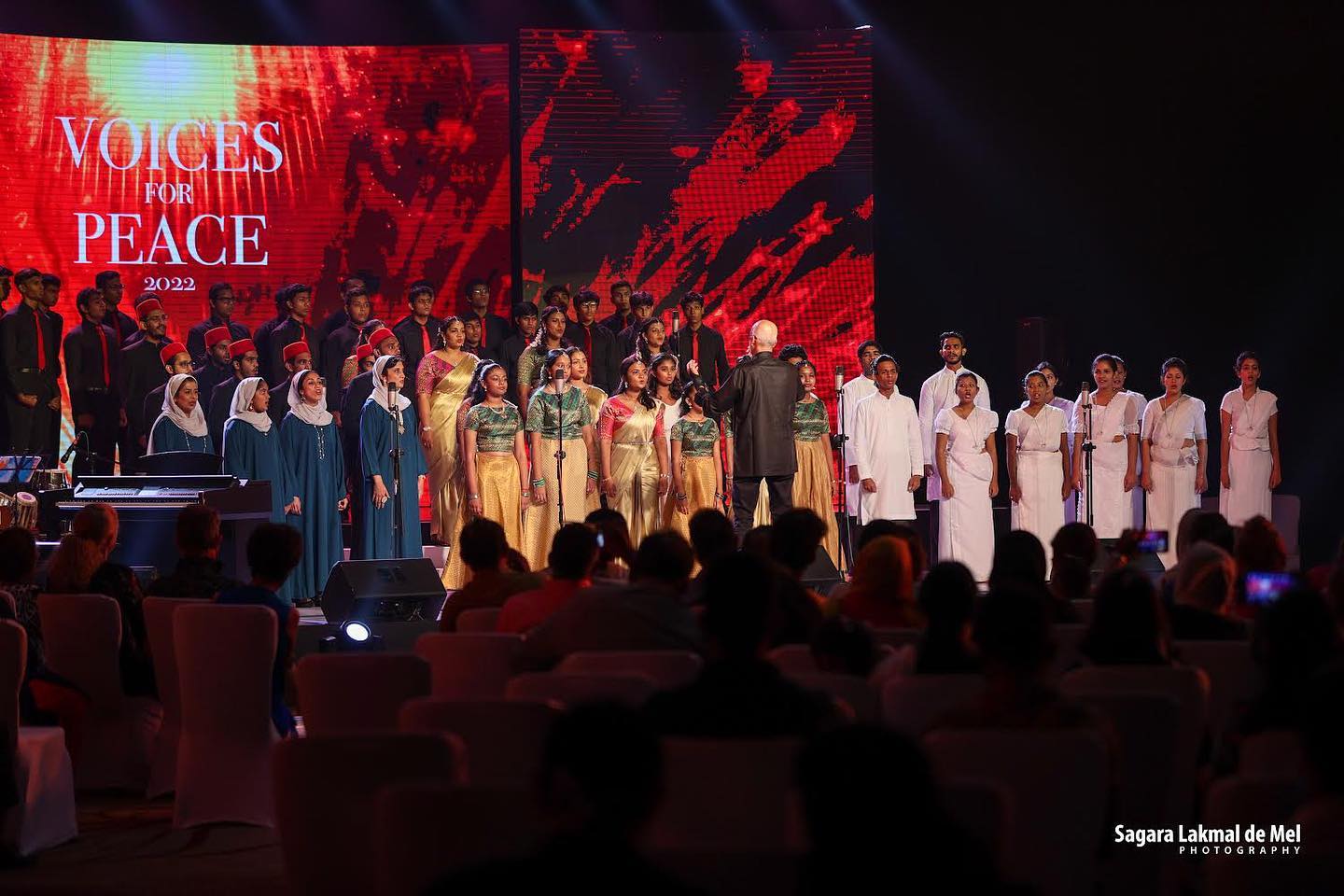
Within this context, Voices for Peace was established as an interfaith platform for collective healing through sacred sound. The initiative created spaces where individuals from Buddhist, Hindu, Christian, and Muslim backgrounds came together and continue to perform in shared presence.
“When we gather with sincere intention, peace begins not in agreement, but in the willingness to listen. In the quiet act of listening, strangers become companions, and separate voices find their way home as one.” Haadia Galely
Rather than formal dialogue, the platform emphasizes experiential engagement, where music enables conversation to unfold organically. Participants are invited to witness and support, rather than define the space. This approach helps maintain openness while preserving the integrity of each tradition.
The initiative was launched in partnership with a leading hospitality institution in Colombo, which stepped forward in solidarity following its own experience of loss during the crisis. This collaboration enabled the platform to begin with both purpose and visibility.
Through these gatherings, music became a public expression of coexistence, demonstrating how communities can share space without diminishing difference.
Arts as Collective Power
In collective vocal practices, artistic power is not symbolic, it is structural. Harmony depends on cooperation. Each voice must listen, adapt, and contribute to a unified sound. Leadership functions within collaboration, not above it.
Sustainable peace is rarely built through isolated effort. It emerges through shared processes that require participation, responsiveness, and trust.
These same principles reinforce peaceful societies. Sustainable peace is rarely built through isolated effort. It emerges through shared processes that require participation, responsiveness, and trust. Through repeated rehearsal and shared performance, participants embody these values in practice rather than theory.
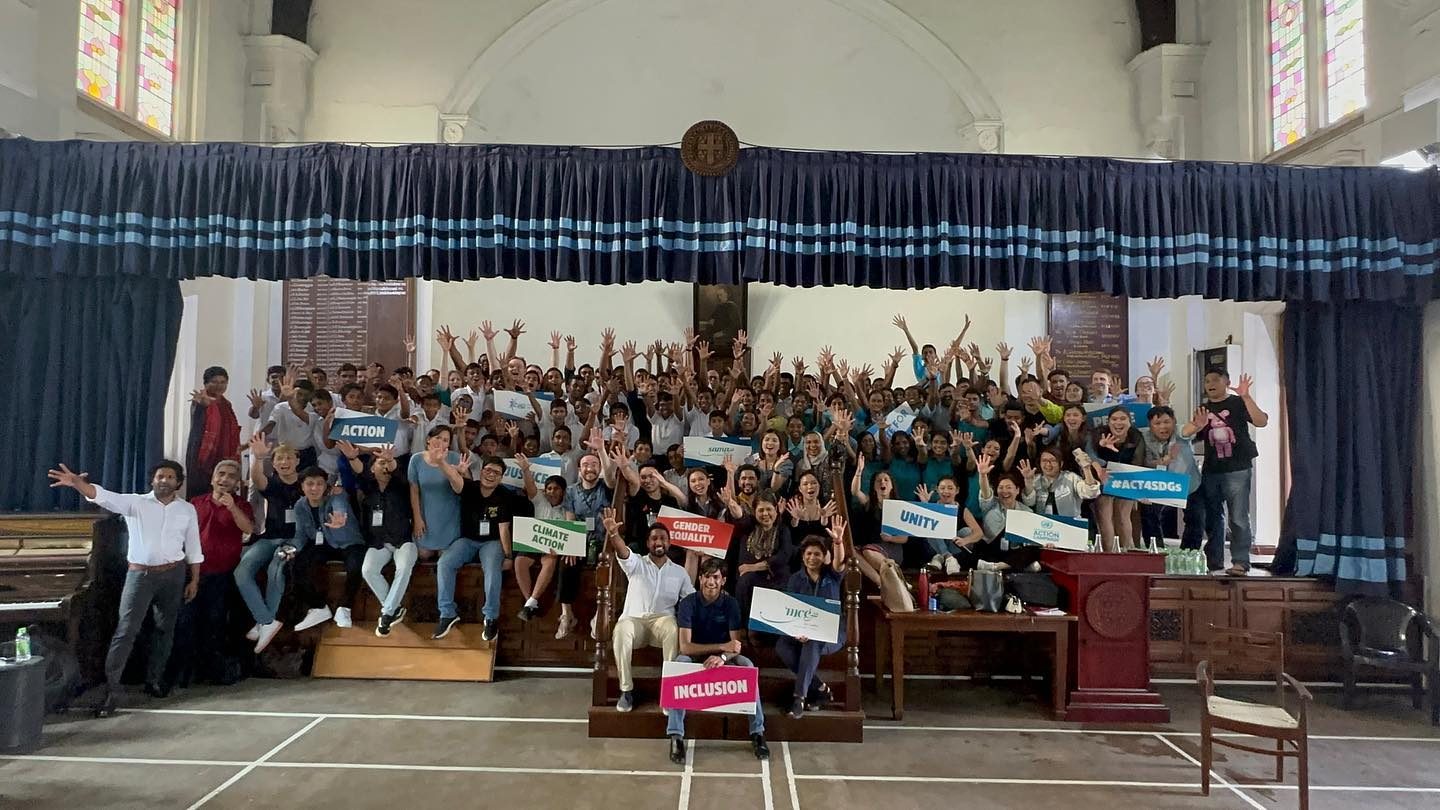
Within the Muslim Choral Ensemble and Voices for Peace, this process draws from a blend of South Asian and Arabic vocal traditions alongside structured ensemble practice, enabling individuals from different backgrounds to collaborate meaningfully. Performances and exchanges have been consistently well received, creating spaces where audiences encounter coexistence not as an abstract ideal, but as a lived experience.
Transnational Engagement and Continuity
Despite global disruptions during the COVID-19 pandemic, work continued through digital collaboration. Online workshops, remote performances, and international exchanges sustained engagement across borders.
Collaborations with global institutions and artists enabled continued dialogue, including participation in international cultural festivals and academic partnerships. These platforms facilitated cross-cultural exchange while expanding access to sacred arts.
In-person collaborations resumed with residencies and exchanges that brought together participants from multiple countries, further deepening shared understanding through practice. These engagements demonstrated that sacred sound can function as a bridge across cultures, even in times of separation.
However, the continuity and expansion of such initiatives have been consistently shaped by resource limitations. A lack of sustained funding has required reliance on in-kind support and partnerships, influencing the ability to maintain long-term collaborations despite strong interest and impact.
Toward Sacred Sounds South Asia
Building on these foundations, the gradual development of Sacred Sounds – South Asia seeks to create a regional platform connecting artists, institutions, and communities across the subcontinent.
Envisioned as a combination of festival, residency, and workshop spaces, the initiative aims to foster sustained engagement with sacred traditions through collaboration and exchange.
The intention is not expansion for its own sake, but the creation of a shared regional framework of one that recognizes common cultural and spiritual origins while enabling new forms of collective expression. In doing so, it seeks to reposition South Asia as a vital contributor to global conversations on sacred arts.
Conclusion: Harmony as Practice
Peace is often described as an outcome. Within artistic practice, it becomes a process that is rehearsed, refined, and embodied over time.
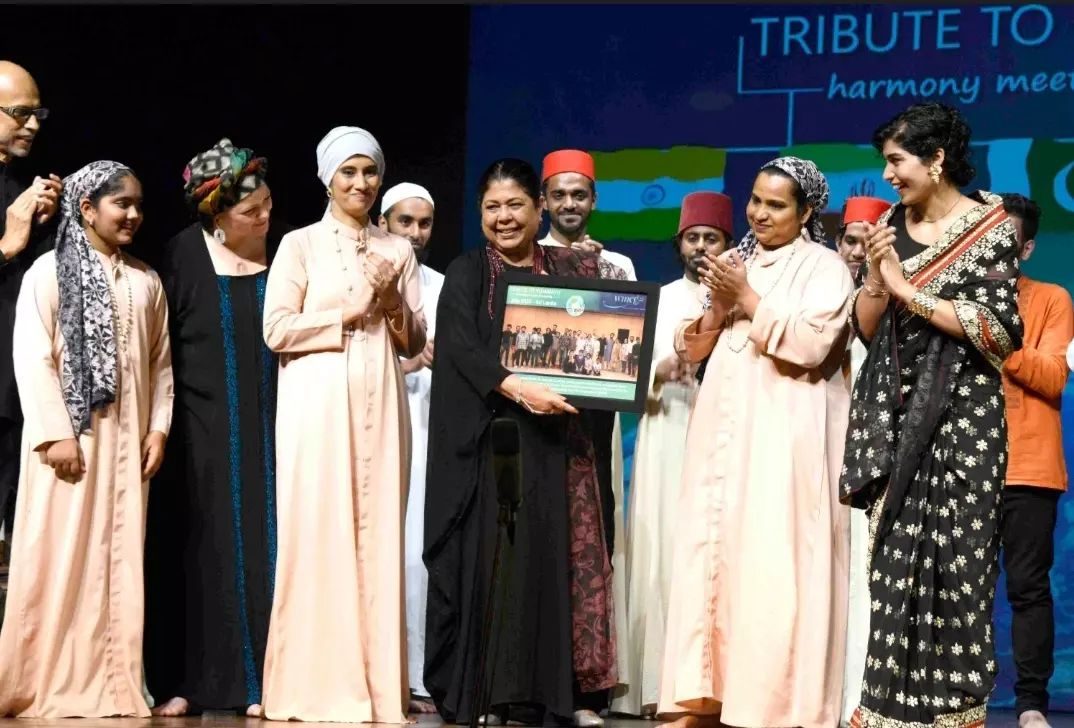
The journey of the Muslim Choral Ensemble and Voices for Peace illustrates how sacred music can function as a structured model of cooperation. Through disciplined collaboration, interfaith engagement, and transnational exchange, music becomes more than performance, it becomes a practice.
In Sri Lanka, collective singing has offered a meaningful demonstration of how communities can create shared space across difference. Not by erasing identity, but by learning to listen.
In that shared breath before the first note, individuals become a collective. And in that collective, the possibility of peace begins.