The opening months of 2026 have brought even greater uncertainty and instability to our global landscape. As we navigate these relentless and rapid shifts, our radical hope endures, and we live into the questions arising within us of what comes next and how we move ahead together.
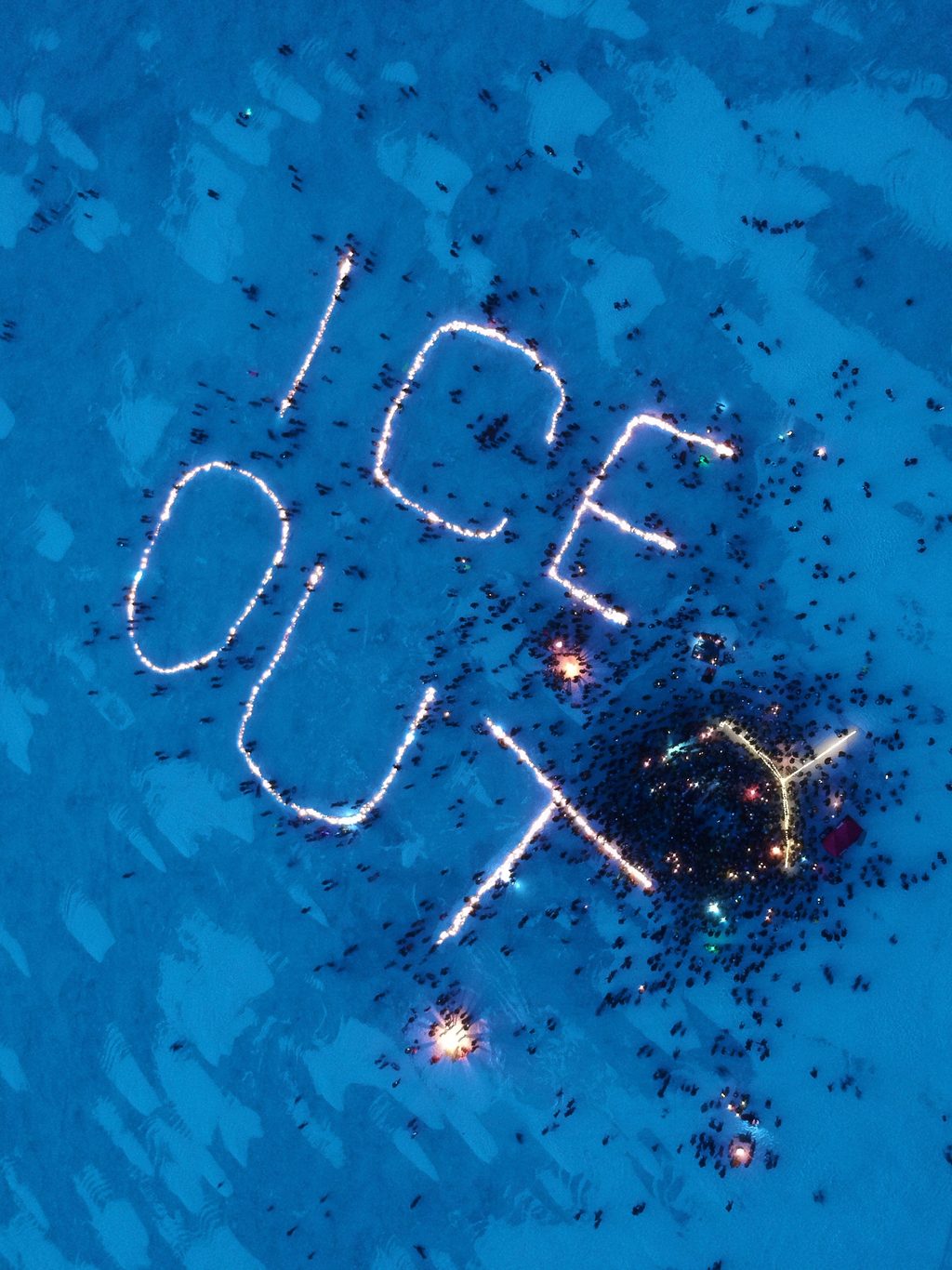
Across generations, we have seen the most powerful transformations arise from the collective. Our question today is no longer whether collective action is needed to create more courageous and transformative pathways to shared liberation and collective peace, but how do we build and sustain that power?
This issue of Peace Prospects is rooted in that question. We offer an invitation to move from imagining peace to creating a living architecture of collective power woven across borders, generations, and identities through shared acts of courage.
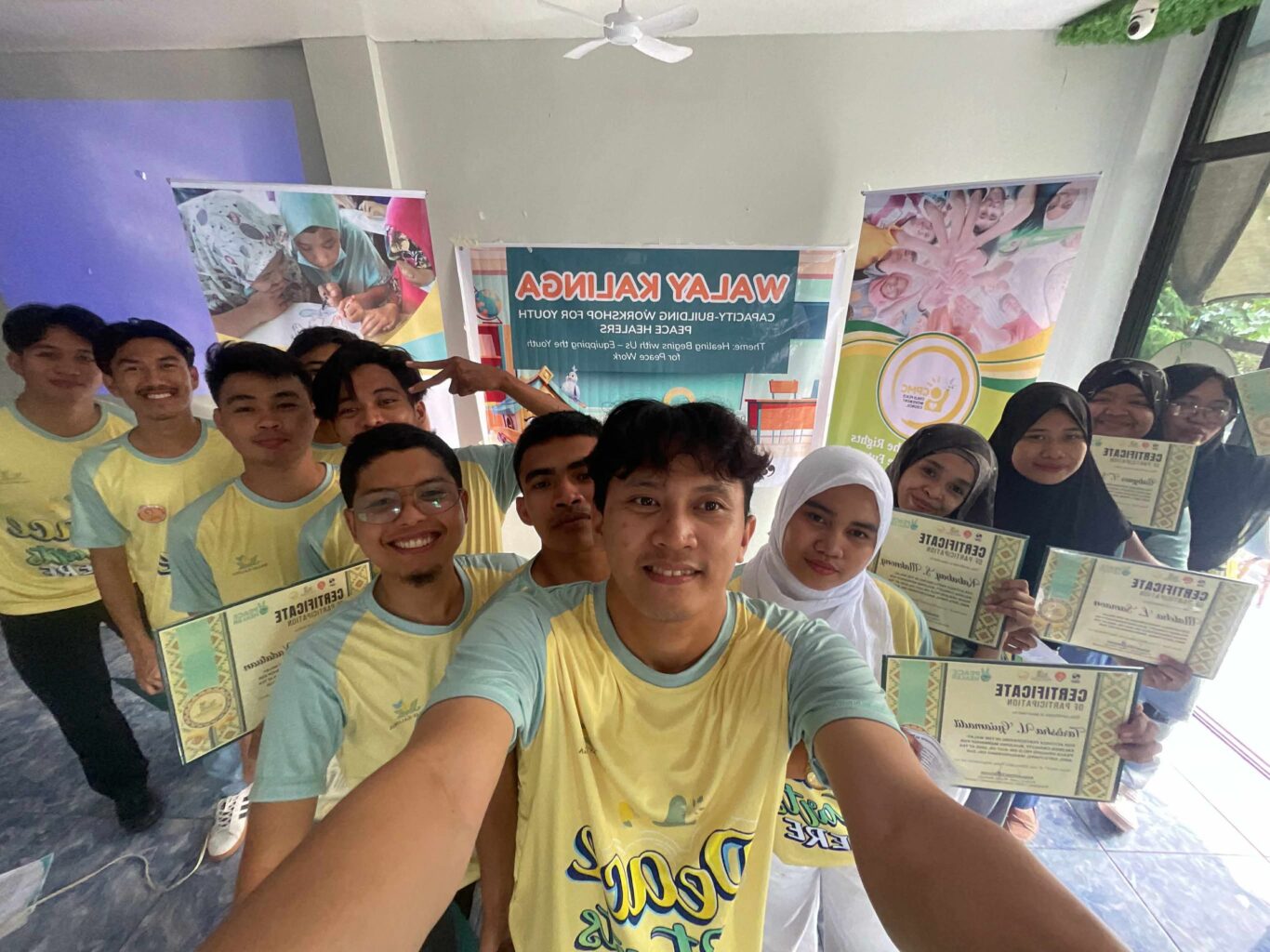
We explore how such power emerges, evolves, and endures. As Julia Roig and Betsy Hoody emphasize, movements are not spontaneous bursts of energy alone; they are ecosystems. They require intentional weaving, bringing together unlikely allies to shift systems and loyalties, as well as intentional, participatory organizing approaches that foster shared leadership, as Oluchi Achi Uzodimma and Wazieh Offuh Anthony remind us. In this way, collective power is leaderful—distributed, adaptive, and grounded in participation, creating abundant pathways for people to step in as co-creators of change. Muda Tariq anchors us in the reality that while movements and actions ebb and flow, rupture and settle, collective power endures in the often quiet, steady persistence of those who choose to stay present and refuse silence.
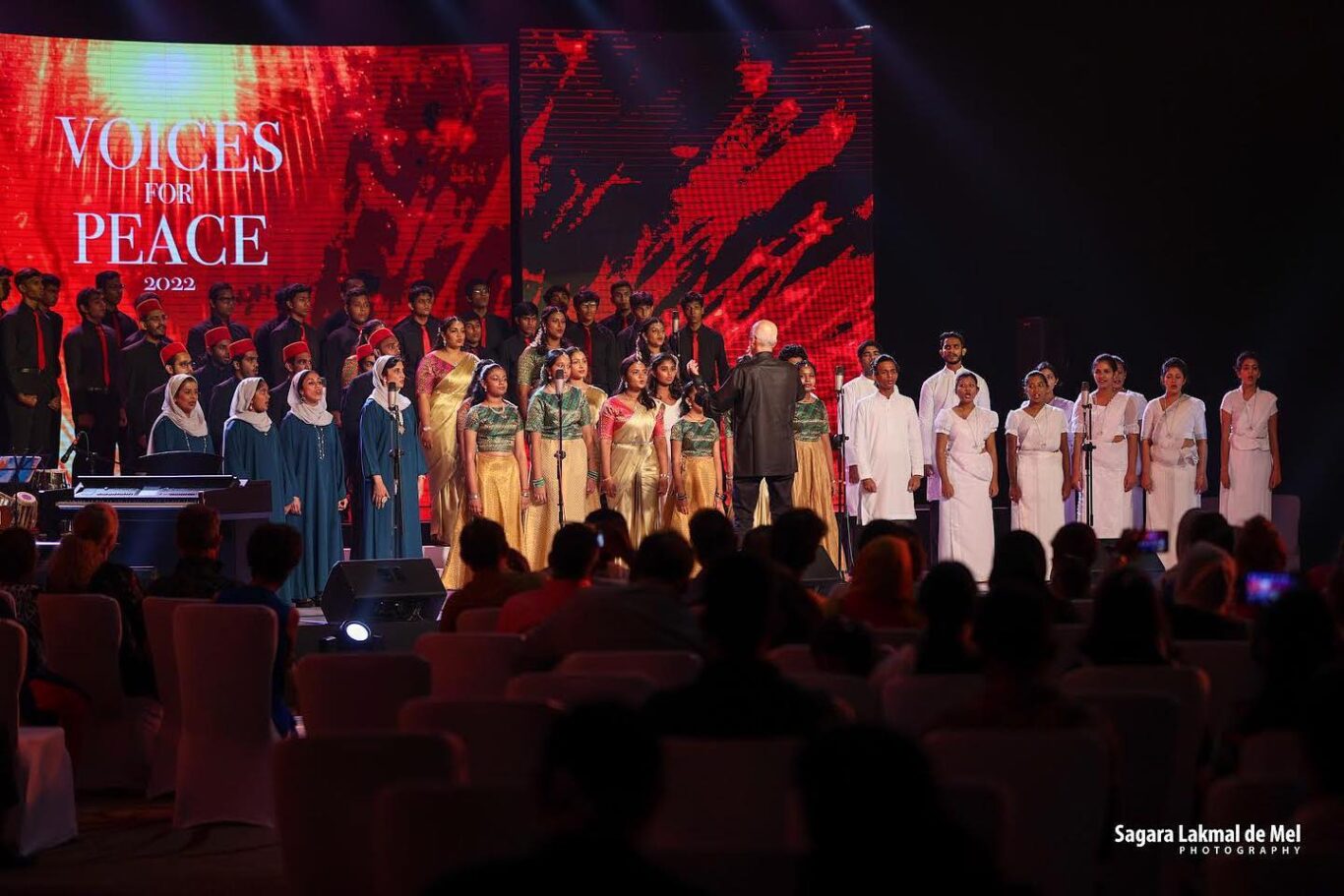
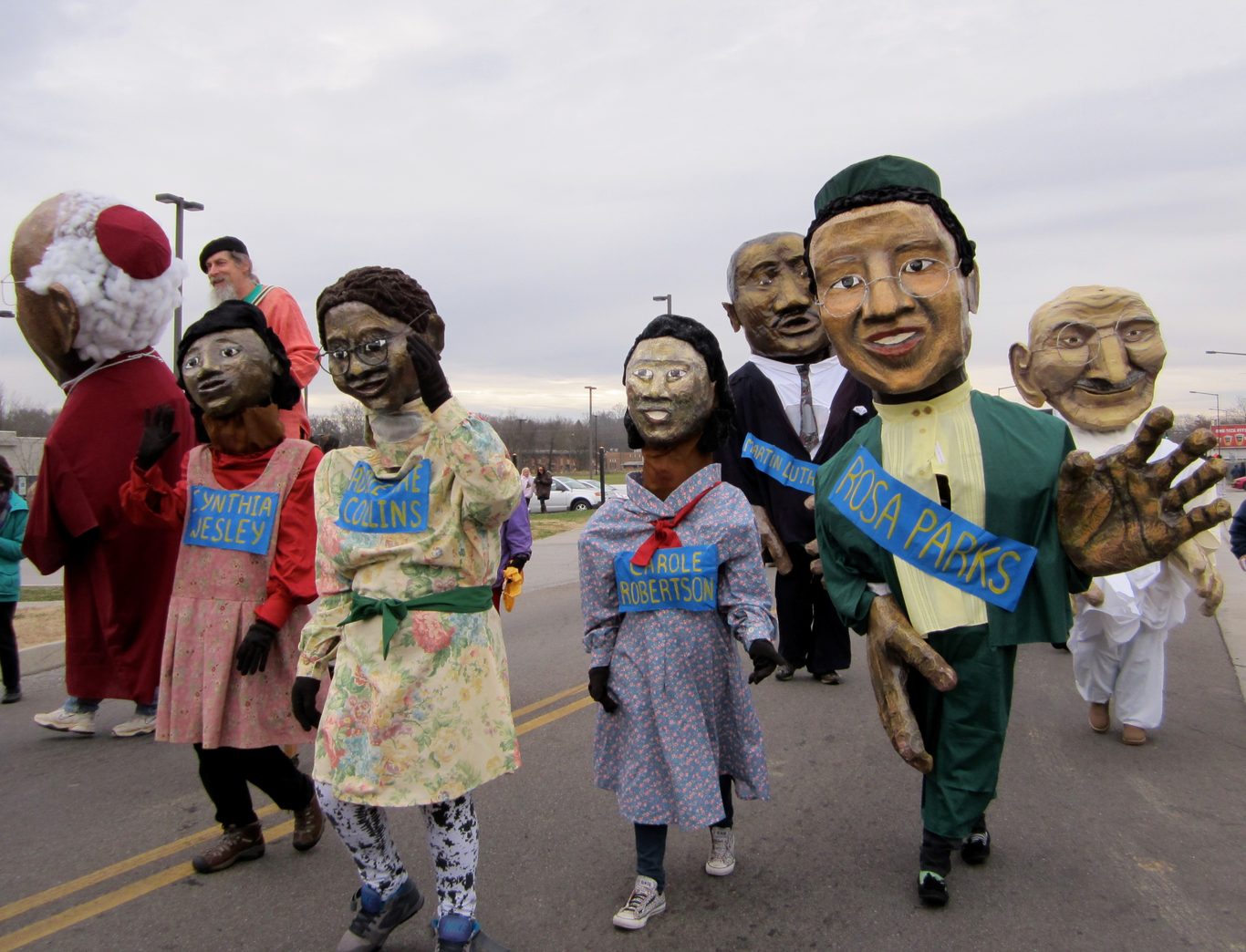
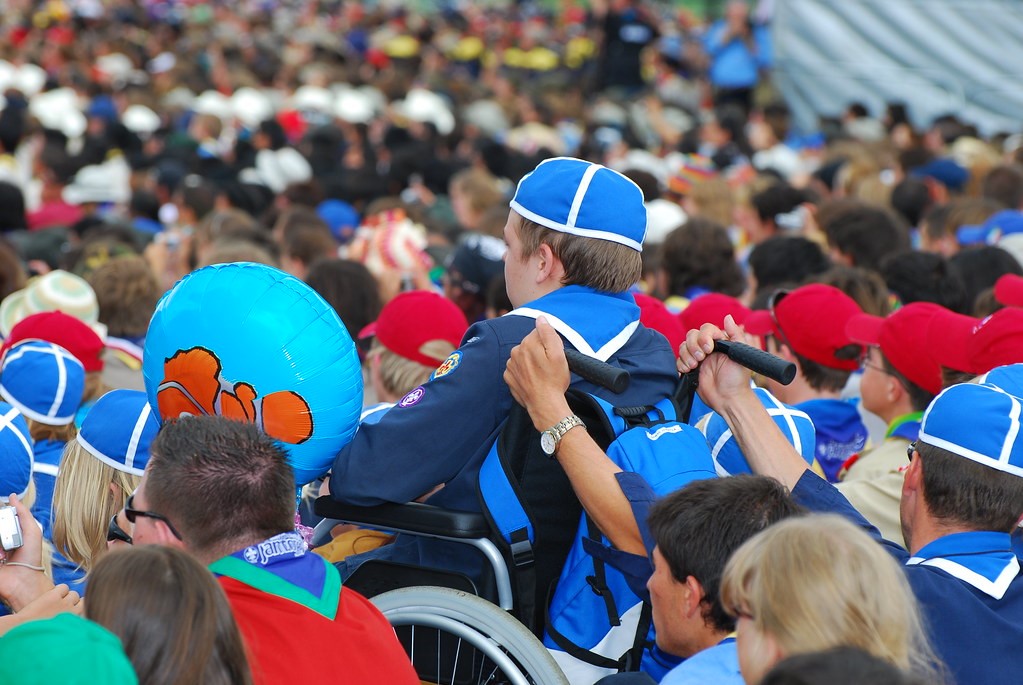
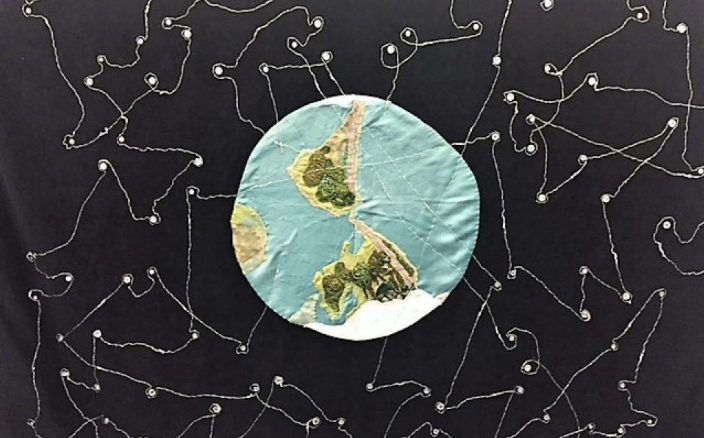
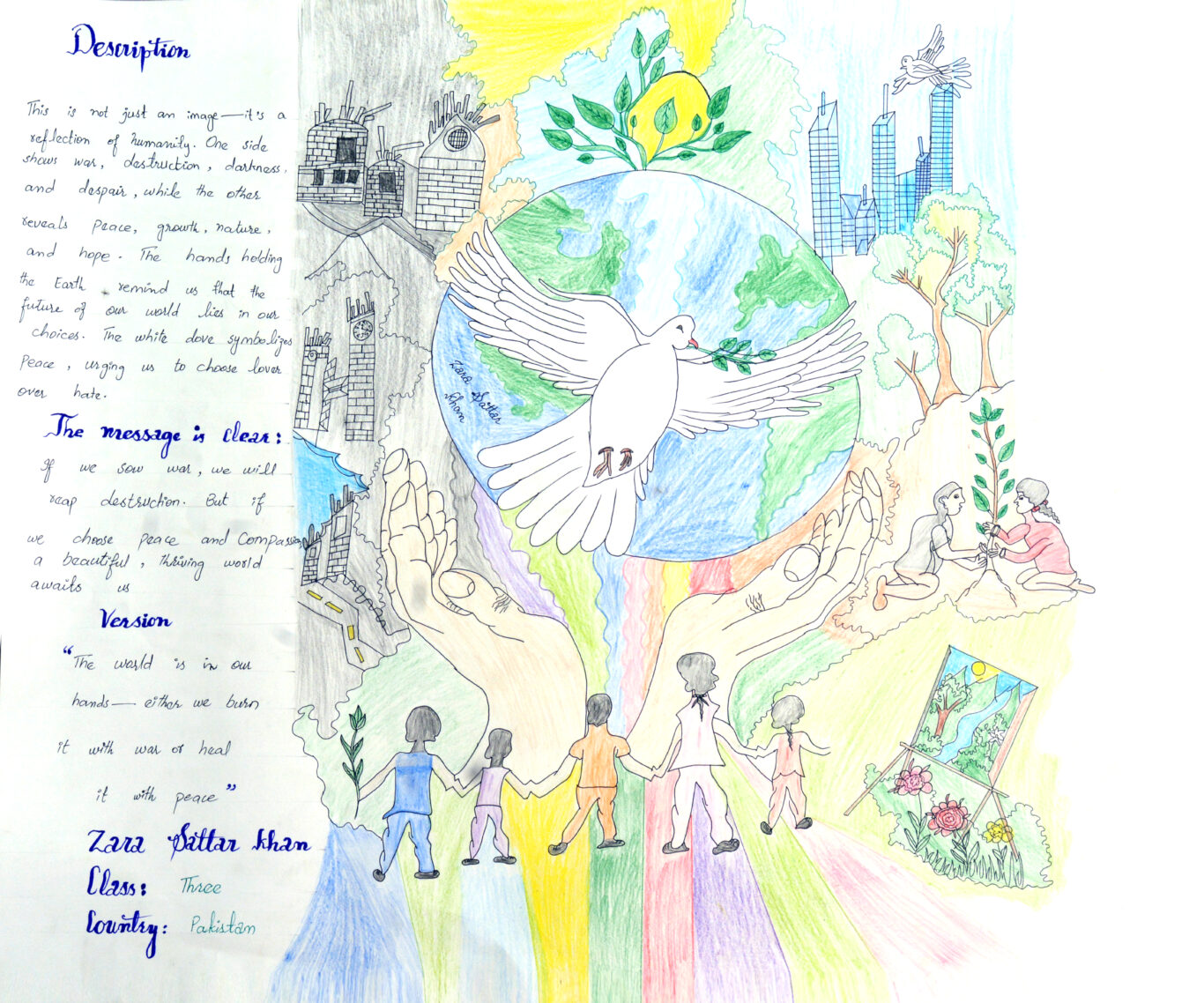
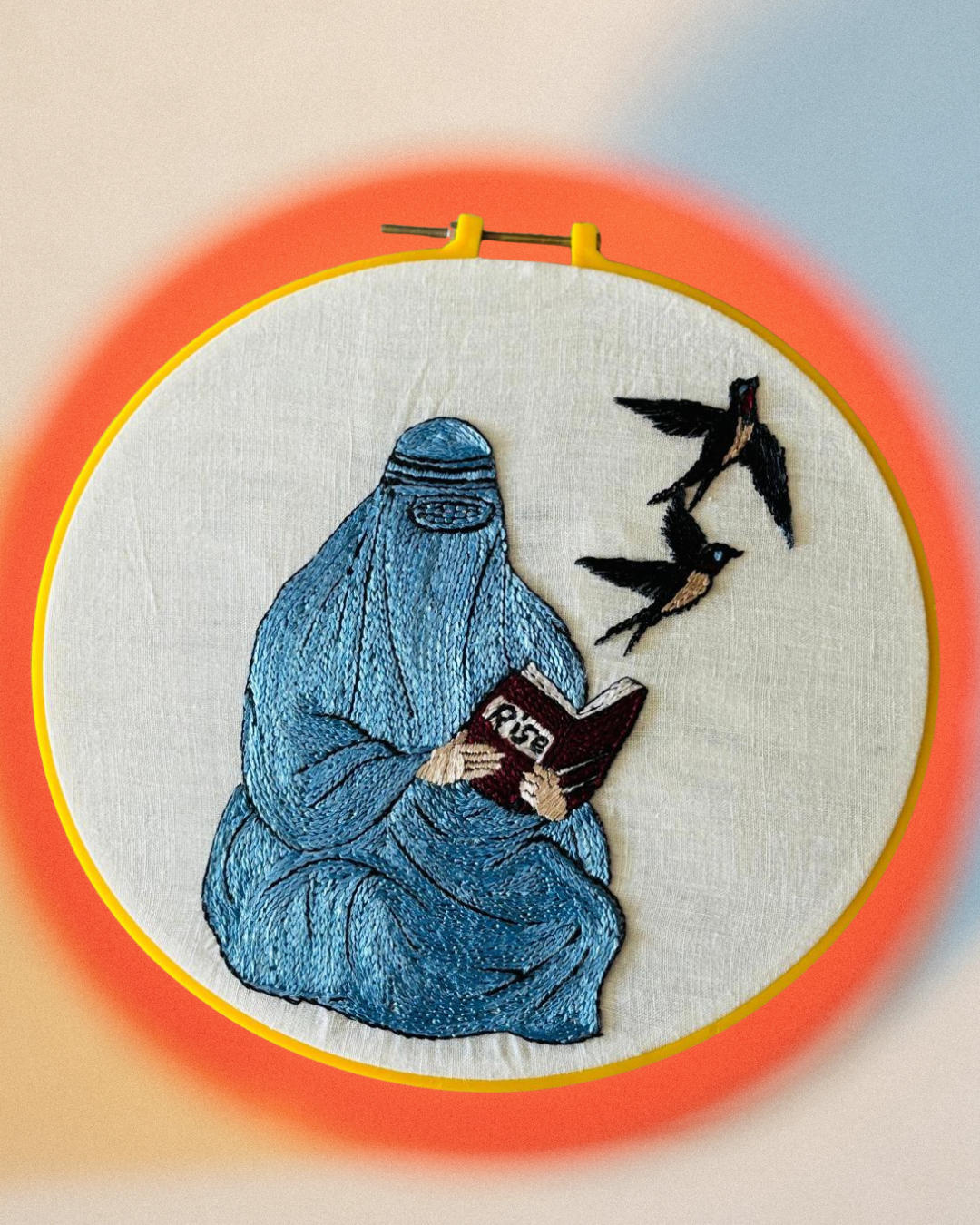
We call for us to expand our imagination of solidarity. As authoritarian forces around the world grow more coordinated, so too must our responses. As Humanity United highlights, this requires resourcing the connective tissue of movements—the relationships and alliances that allow collective power to endure. It demands intergenerational action, as Jon Rasmussen emphasizes, alongside intersectional and transnational action, that bridges movements across issues into something greater than the sum of their parts. Today’s movements can and do harness digital platforms to mobilise, coordinate, and reimagine power, as Janith Perera et al. illustrate—bypassing hierarchies and amplifying voices once unheard. In addition, Haadia Galely and Kevin Collins remind us that artistic expression — whether through music, visual art, or puppet theater — can bridge divides, mobilize collective action, and reach audiences that more formal peacebuilding efforts cannot.
Beyond strategy and structure, we reflect on how love, courage, and memory sustain collective power. Sally Mahe reminds us of the quiet, enduring inner strength to persist through fatigue, tension, and uncertainty and the courage to prioritize connection and relationships over being right; while Samarudin Samsudin reminds us of the commitment required to protect and leverage our lived inheritance as power in the face of those who want to erase it. In this, acts of care for the collective become acts of resistance.
As you spend time with this Issue, we hope you feel inspired by the diverse examples of collective power gathered here; moved to expand your imagination of what solidarity and collective action can look like; and nourished by the reflections on collective care, love, and courage. We invite you to live into the question of how we can build and sustain collective power for collective peace, and to carry the stories and actions from these pages with you into your communities.