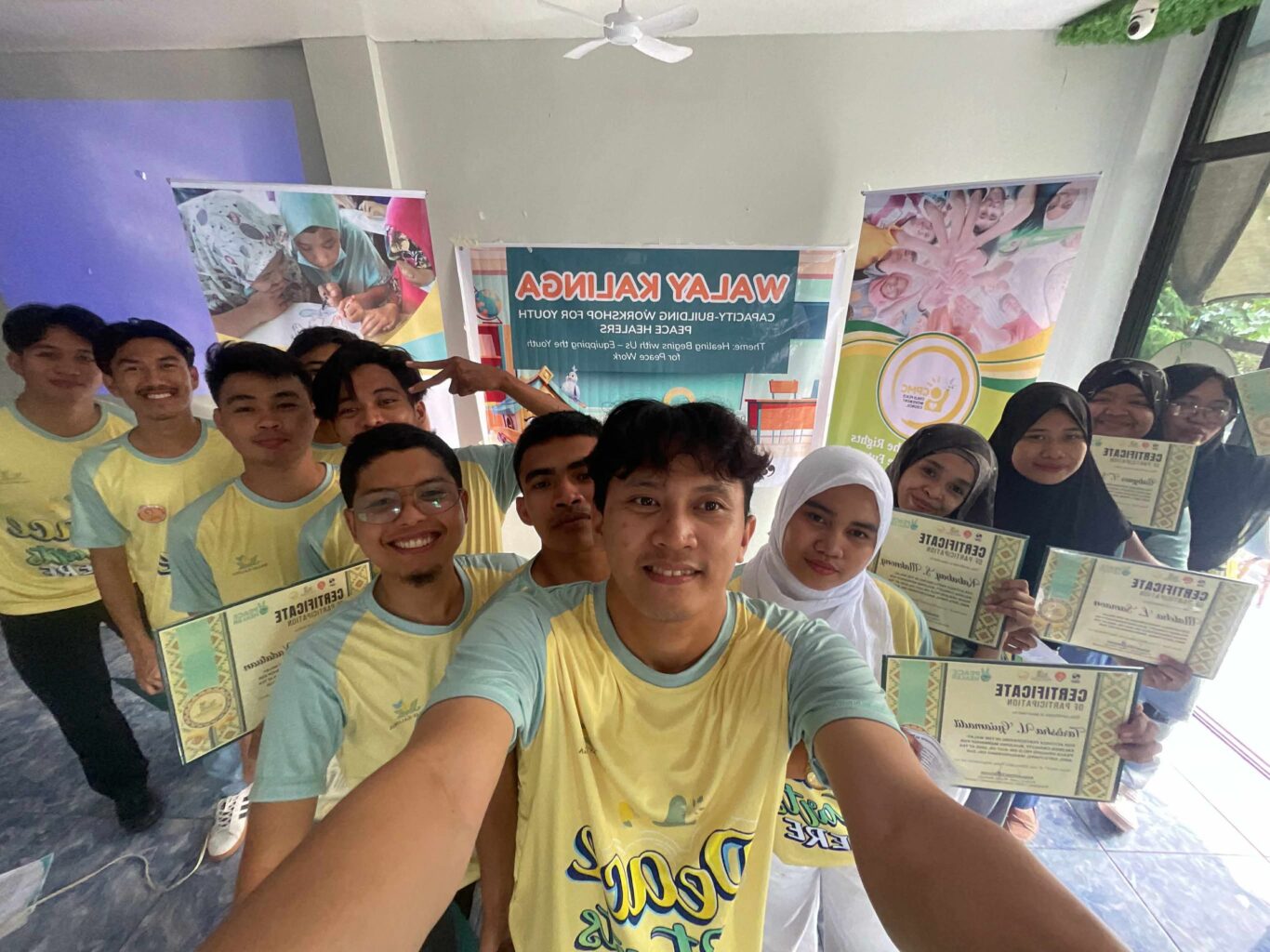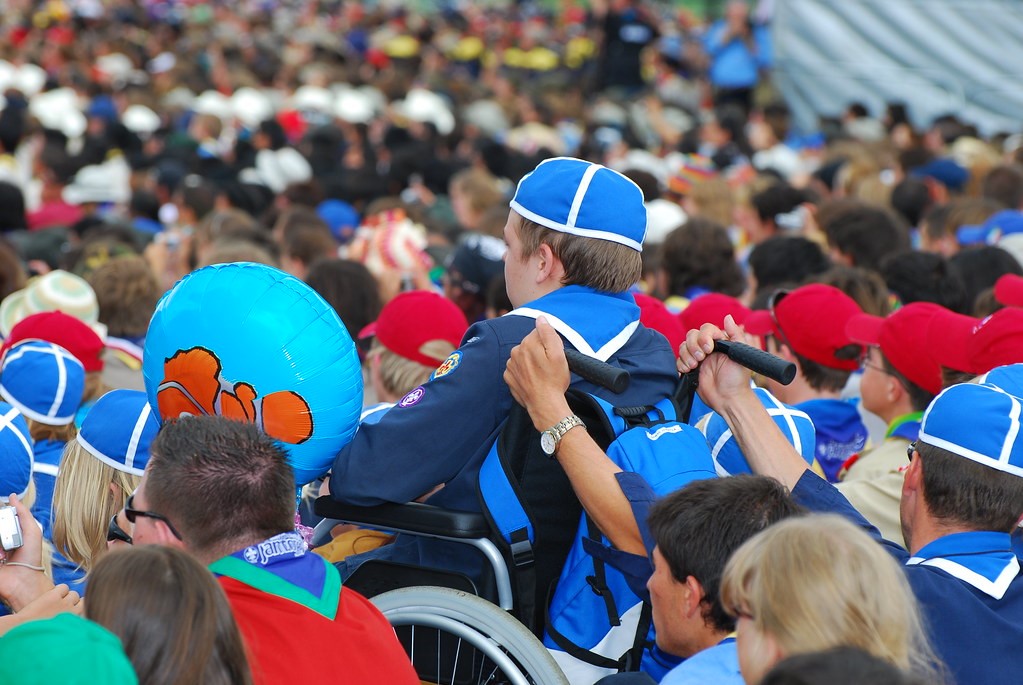
The image of a Scout scarf secured, a badge-covered sash, and a compass in hand are some of the most enduring symbols of the 20th century. For over a century, Scouting has been a global, values-based educational movement reaching tens of millions of young people across cultures, religions, and political systems. Founded in 1907 and now active in 216 countries and territories, Scouting supports children and youth, from early childhood in developing character, citizenship, leadership, and a sense of responsibility to oneself, as to others, through non-formal education. Scouts worldwide wear a uniform shirt and a scarf around the neck.
In the 21st century, however, the “compass”, which originally symbolized skills of navigation, has changed. It is no longer only about finding North in the woods; it is about navigating an increasingly complex, polarized, and fragile global landscape. Today, Scouting operates not just as an educational movement, but as a long-standing case study in how communities cultivate peace, resilience, and civic responsibility over time.
Movements do not emerge in a vacuum. They are living organisms that evolve through solidarity, intergenerational wisdom, and a sustained commitment to transforming the status quo. By examining the Scout movement as a case study in movement-building, we can better understand how momentum is created and maintained for peaceful futures.
The Genesis of Momentum: How the Scout Movement Emerged
Every enduring movement begins with a moment of disruption – a collective recognition that existing systems are insufficient. For Scouting, this emerged from Robert Baden-Powell’s observation that young people needed structured opportunities for character development, civic responsibility, and social contribution. Rather than focusing solely on discipline or instruction, Scouting offered a participatory model where young people learned through experience, service, and reflection.
Momentum grew as individual aspirations coalesced into a shared identity. The Scout Promise and Law became more than symbolic statements; they functioned as a social contract, articulating shared values that transcended national and cultural boundaries. This common framework allowed Scouting to expand rapidly while retaining coherence.
Crucially, Scouting paired ideals with structure. The establishment of local troops, national organizations, and eventually the World Organization of the Scout Movement provided the infrastructure needed to channel enthusiasm into sustained action. This balance between grassroots energy and organizational support is what allowed the movement not only to grow, but to endure.
The Evolution of Impact: From Local Troops to Global Alliances
As movements mature, they face a central tension: institutionalize and risk rigidity, or adapt and remain relevant. Scouting’s impact deepened precisely because it chose adaptation. What began in the early 20th century with paramilitary influences gradually transformed into a global framework centered on peace education, human rights, sustainability, and active citizenship.
This evolution expanded the movement’s reach beyond the troop. Scouting increasingly operates at the intersection of global and local action, aligning with the UN Sustainable Development Goals while responding to community-specific challenges. Initiatives such as Scouts of the World and partnerships with local civil society organizations demonstrate how impact evolves when alliances are built intentionally.
As these alliances deepen, so does impact. Collaboration enables Scouts to move from service projects toward long-term community transformation, embedding peace practices into education, dialogue, and social repair.
The Intergenerational Bridge: Youth, Adults, and Belonging
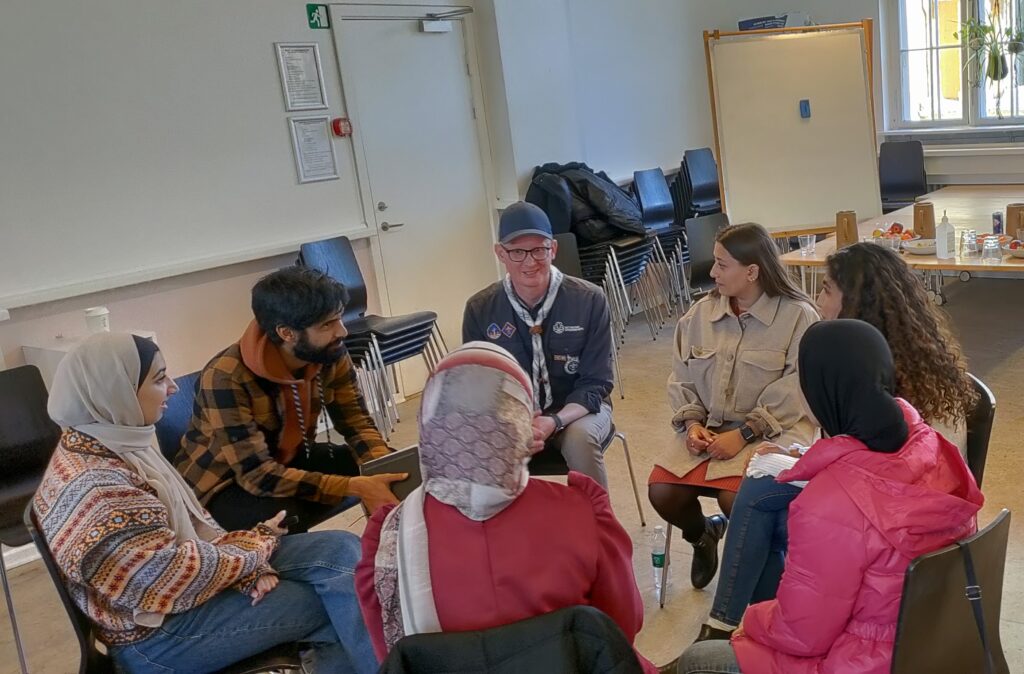
One of the Scout movement’s most distinctive strengths is its intergenerational structure, yet this is also where tensions naturally arise. Sustained momentum depends on how well movements navigate relationships between youth, adults, and diverse identities.
Young people in Scouting are not only positioned as “future leaders,” but also as present-day practitioners of peace. Through initiatives such as Messengers of Peace, youth design and lead projects addressing conflict, exclusion, and social fragmentation in real time. This shifts authority away from top-down instruction toward bottom-up innovation and ownership.
“A movement that reflects the complexity of the world it seeks to serve is better equipped to respond to it.”
At the same time, adults play a stabilizing role. They serve as custodians of institutional memory, offering mentorship and continuity without constraining experimentation. Their contribution lies not in gatekeeping, but in stewarding values across generations – a practice often described in peace scholarship as generative leadership.
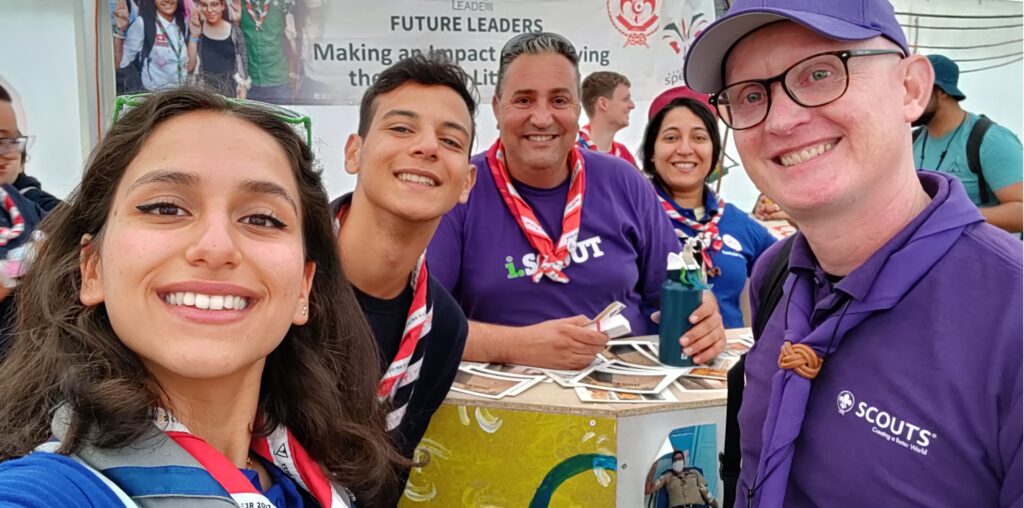
Inclusivity further strengthens this bridge. As Scouting has expanded across genders, religions, cultures, and socio-economic contexts, it has increasingly embraced diversity as a source of resilience. A movement that reflects the complexity of the world it seeks to serve is better equipped to respond to it.
Sustaining Momentum: Playing the Long Game
Many movements emerge in response to a specific injustice and dissolve once that change is achieved. Others, like Scouting, evolve into custodians of shared wisdom and practice. The question then becomes not only how a movement wins, but how it stays relevant for over a century.
Scouting has sustained momentum through three interrelated pillars. First, ritual and symbolism – the scarf, the campfire, and shared ceremonies act as psychological anchors, reinforcing belonging and continuity across generations. Second, adaptive governance allows national and local organizations to translate shared principles into culturally relevant practice without losing coherence. Third, educational innovation ensures that learning evolves alongside global realities, incorporating peacebuilding, digital literacy, emotional intelligence, and dialogue skills.
Together, these elements allow the movement to transform without losing its core purpose.
Lessons for the Future of Peacebuilding
Several lessons emerge from the Scout experience. First, seeing community – not individuals – as the unit of change. Peacebuilding succeeds when leadership is distributed and participation is normalized. Second, momentum is sustained through relationships – across generations, across movements, and across differences. Finally, peace is not an endpoint but a practice, cultivated through daily acts of service, dialogue, and shared responsibility.
“The landscape of peacebuilding is being reshaped by those who understand that lasting change is built slowly, collectively, and intentionally.”
The landscape of peacebuilding is being reshaped by those who understand that lasting change is built slowly, collectively, and intentionally. Whether one is a Scout with a defined promise and law, a community organizer, or an engaged citizen, the principles which I call a “Living Law” remain consistent:
Begin with a shared promise.
Grow through alliances.
Endure through intergenerational respect.
Peace is not a distant aspiration. It is a movement in motion.