I grew up in Mamasapano, in the Bangsamoro region of the southern Philippines. For many outside observers, Bangsamoro is often described through political agreements, armed encounters, or peace negotiations. For those of us who grew up there, conflict was not an abstract issue. It was woven into daily life.
As a child, I believed it was normal to see soldiers stationed along the roads. I believed it was normal to evacuate at night without warning. I believed it was normal to wake up not to the sound of an alarm clock, but to gunfire.
There were mornings when airplanes roared overhead. There were nights when bullets hit our roof.
One evening, as the gunfire grew louder, I covered my ears and looked at my mother.
“Umie (mother), are we leaving again?” I asked.
She tried to steady her voice. “My child, prepare your things. We might have to evacuate. Stay close to me.”
I remember how her voice trembled. She was trying to be strong for us, but fear cannot always be hidden.
One Ramadan evening remains vivid in my memory. We were preparing to break our fast. The food was already on the table. Before we could pray, before we could eat, shooting erupted nearby. We left the house without finishing the meal. The plates remained where they were, as if frozen in time.
There were days when our barangay felt like a ghost town. Houses stood intact, but the people were gone. Evacuation was not dramatic. It was routine survival.
As a child, I did not understand the language of politics, autonomy, or liberation. I only understood fear.
Understanding the History Behind the Fear
Growing older meant confronting the deeper roots of what I had lived through. The instability in our community was connected to a long history of marginalization, armed struggle, and unresolved grievances. The Bangsamoro struggle was not a distant historical narrative. It shaped the air we breathed.
The most powerful realization was not political. It was personal.
I was not alone.
Many Bangsamoro children shared the same memories: unfinished meals, hurried evacuations, nights spent listening for danger. We carried stories we rarely spoke about. Silence became a form of protection.
Shared pain can fragment communities. It can create distrust and withdrawal. But shared pain can also become the foundation for collective action.
When Youth choose to organize
I began engaging with civil society organizations such as the Consortium of Bangsamoro Civil Society and non-government organizations like Save the Children Philippines, which implemented the “Spaces for Peace Project.” Through this work, I was exposed to various peacebuilding initiatives and community-level interventions.
As I became more involved, I realized that waiting for change was not enough. Peace agreements between armed actors are critical milestones that create opportunities for ceasefires, political dialogue, and the rebuilding of institutions. However, they do not automatically translate into healing at the community level, where trust, trauma, and everyday insecurity still need to be addressed.
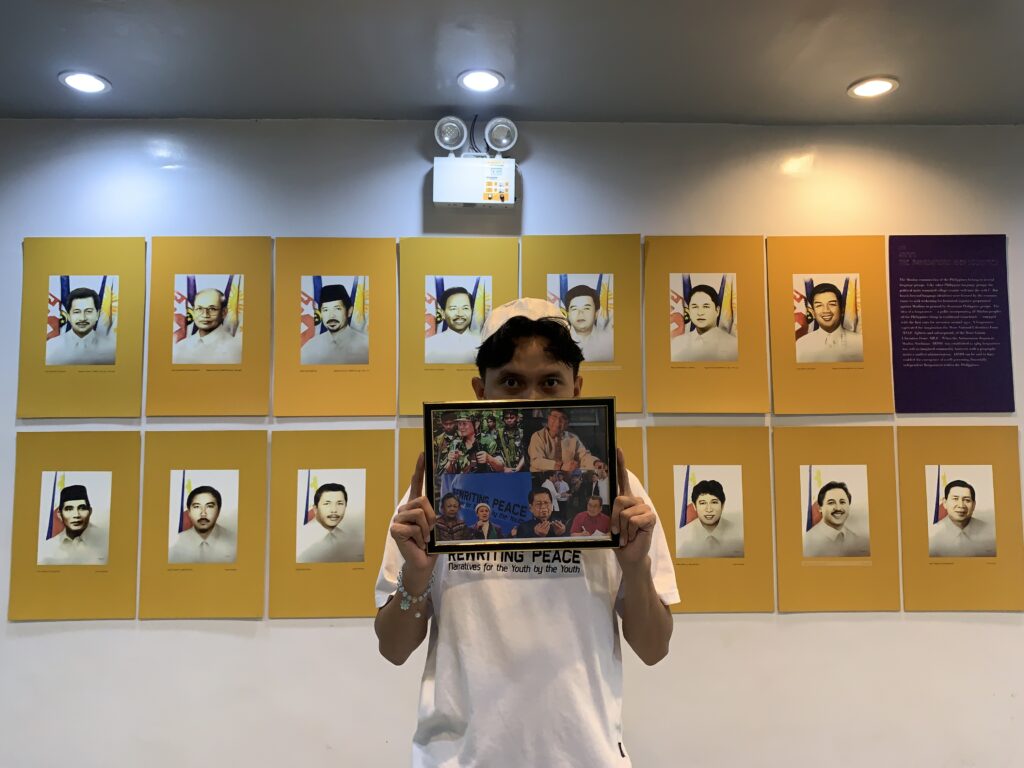
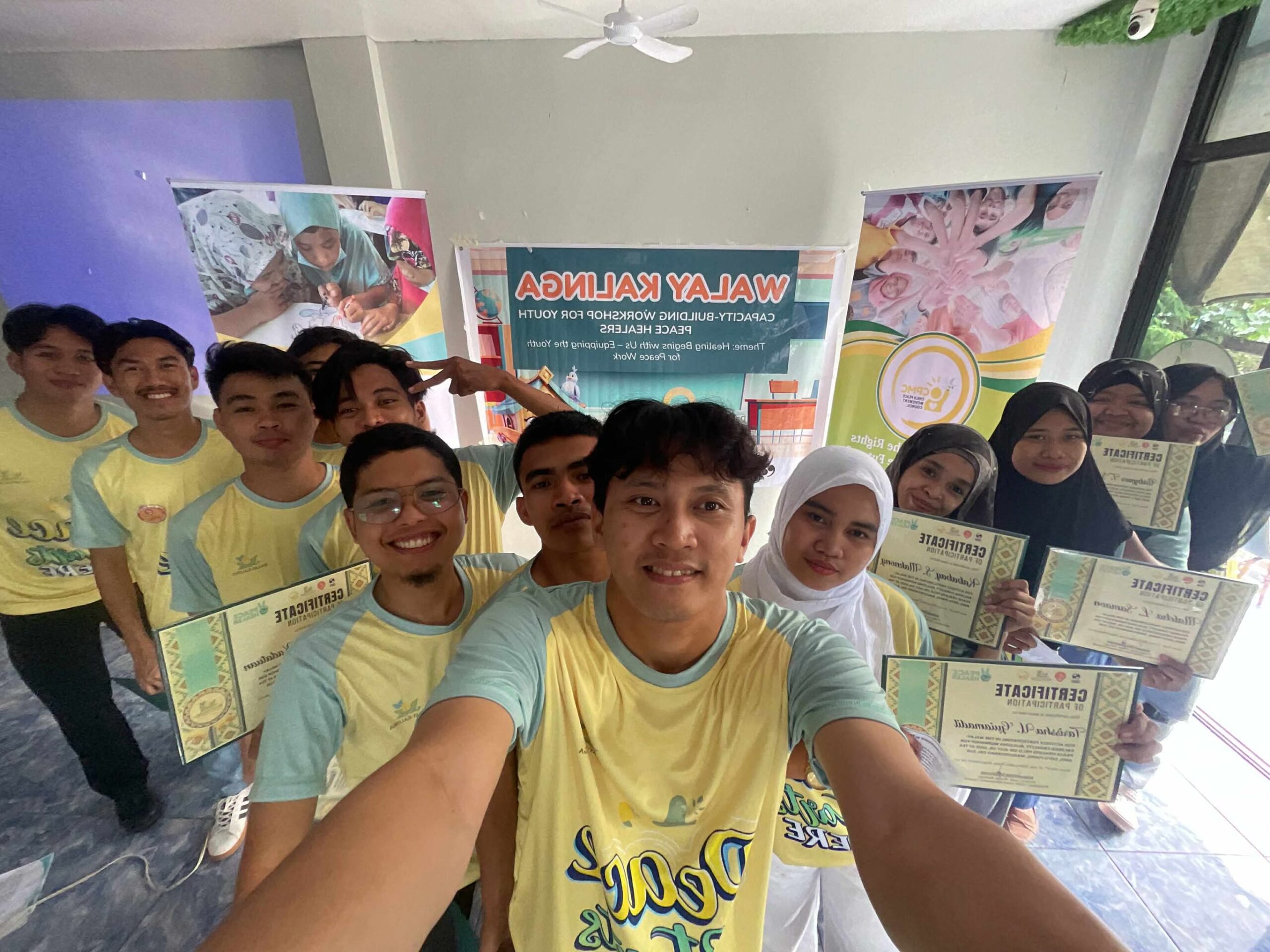
This realization led us, together with fellow young people, to establish the Child Peace Movement Council. It was not built in conference halls or formal spaces. It began with simple conversations among youth who had all grown up amid the same instability and uncertainty.
We asked ourselves a simple but powerful question: What would it have meant for us, as children, to have safe spaces to speak?
That question became the foundation of our work.
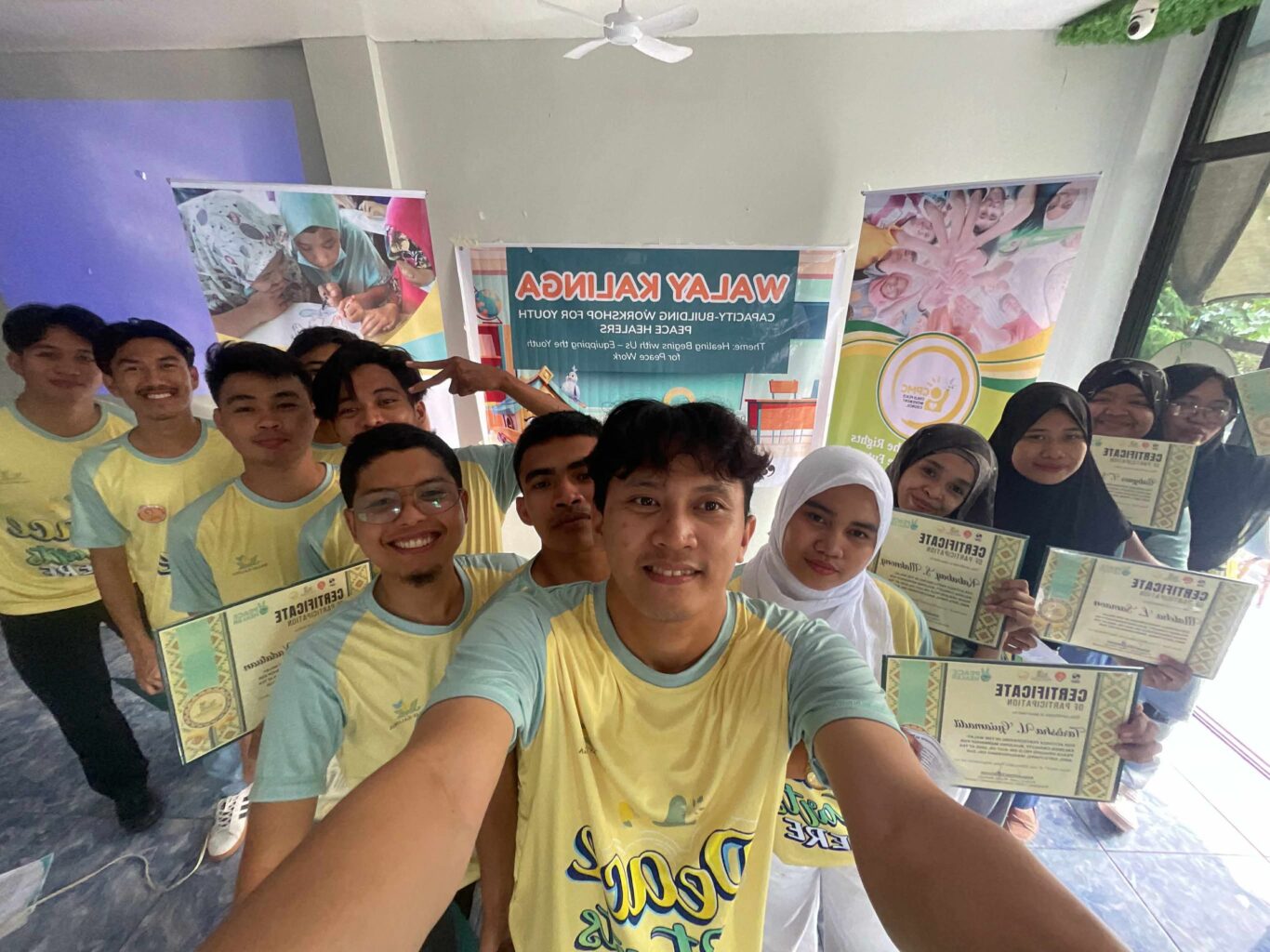
We started organizing peace education sessions in barangays. We conducted workshops on children’s rights and created spaces where young people could reflect on their experiences without fear of judgment. At first, participation was cautious. Years of uncertainty had taught many to remain silent.
Slowly, voices emerged.
Young people who once hid during clashes began facilitating discussions about nonviolence and leadership. This shift did not happen overnight. It grew through consistent efforts to create safe, youth friendly spaces where they felt heard and respected. One example was our Kamustahan sessions, simple conversations that allowed them to share their experiences without fear of judgment. Over time, these spaces helped build their confidence. Children who were once hesitant began sharing their dreams for safer communities, and what started as individual reflection grew into collective engagement.
We learned that healing is not separate from peacebuilding. It is foundational to it.
Collective power in everyday spaces
The theme of collective peace is often associated with mass movements, protests, or national campaigns. In our context, collective power looked quieter, but no less transformative.
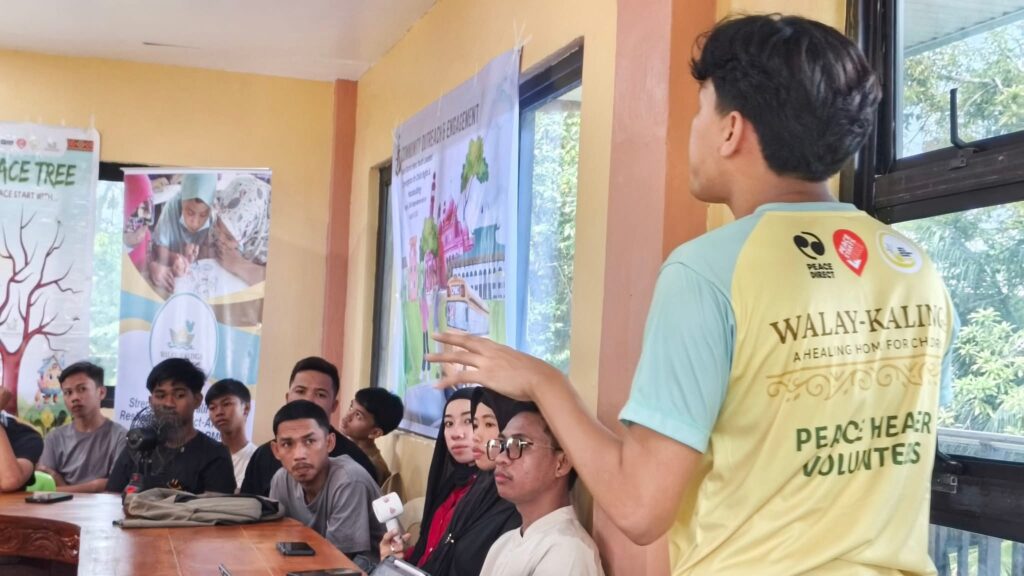
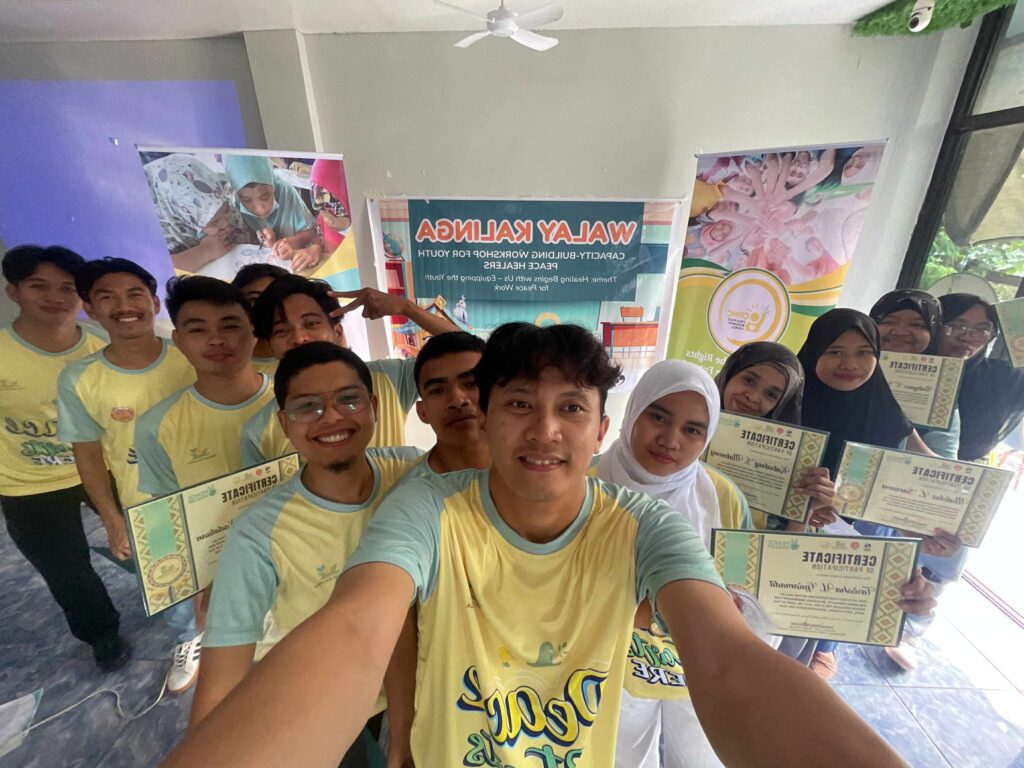
It looked like youth volunteers choosing to return to their barangays after school to conduct dialogue sessions. It looked like local leaders opening community halls for peace education activities. It looked like parents trusting young facilitators to guide conversations about trauma and hope.
This trust did not emerge overnight. It was built gradually through consistent presence, listening, and follow-through. We showed up regularly, kept our commitments, and created spaces where participants could speak without fear of judgment or reprisal. Small acts such as checking in after a session, respecting local customs, and following through on promises slowly reinforced that we were not outsiders with a pre-set agenda. Over time, participants came to see us as peers and allies, older siblings, classmates, and neighbors, people who understood their realities.
“The theme of collective peace is often associated with mass movements, protests, or national campaigns. In our context, collective power looked quieter, but no less transformative.”
Because trust was intentionally nurtured and maintained, honest conversations could unfold. This trust became the foundation for collective peace. International support played a role in strengthening our initiatives, but local ownership remained central. Sustainable movements cannot be externally designed and locally implemented without agency. Communities must see themselves as authors of their own peace.
Through partnerships with schools, youth councils, and local leaders, we made sure peace education went beyond a single activity. Materials were shared, facilitators were trained, and regular dialogue sessions were held in barangays. Children and youth brought lessons into their homes, teachers and leaders integrated them into daily routines, and peer support kept the conversations alive. Collective action thrived because it became part of everyday life.
intergenerational responsibility
Bangsamoro’s transition toward greater political autonomy has opened new opportunities, but it also carries immense responsibility. The first parliamentary elections represent more than a political exercise. They reflect a growing trust in institutions and belief in shared governance built over time.
This trust developed through years of peace processes, the 2019 plebiscite, and ongoing community consultations that allowed people to see their voices reflected in decision making. As the region prepares for its first parliamentary elections on September 14, 2026, where around 69 of 80 seats will be contested, more citizens are actively shaping governance. These experiences have strengthened confidence that leadership can be inclusive, accountable, and shared.
For my generation, political developments are not detached from personal memory. We understand what instability costs. We remember nights of uncertainty. We remember what it feels like to be a child in the middle of armed confrontation.
These memories are not held by one generation alone. Elders carry the long history of struggle and sacrifice, while young people carry lived experiences of fear and disruption shaped by more recent conflict. Though these experiences differ in time, they are deeply connected. Both generations share a desire for stability, dignity, and a future free from violence.
When these generations listen to one another, recognizing both their shared and distinct experiences, collective peace deepens.
Movements are sustained by participation. By voting. By engaging. By holding leaders accountable. By creating spaces where policy discussions connect to lived realities.
Peace cannot rest solely on formal agreements. It must be protected by communities willing to act together.
reclaiming agency after conflict
Perhaps the most significant transformation I have witnessed is psychological. Communities affected by prolonged conflict often internalize powerlessness, believing decisions are made by others beyond their control.
Collective action begins to change this. When youth lead peace education, when communities gather to discuss their rights, and when survivors share their stories, silence is broken. Over time, this shifts mindsets. What once felt like powerlessness becomes a growing belief in their own agency and ability to shape change.
“What once felt like powerlessness becomes a growing belief in their own agency and ability to shape change.”
I often think back to myself as a child growing up amidst conflict. I did not know the language of governance. I did not understand the complexities of peace negotiations. I only knew how to survive.
Today, I carry his memory as a reminder of why collective peace matters.
Peace is not merely the absence of gunfire. It is the presence of dignity, opportunity, and shared commitment. It is built when communities refuse to allow trauma to define their future.
a collective commitment for the next generation
The future of Bangsamoro depends not only on political institutions but on the willingness of its people to participate actively in shaping it. Collective peace demands engagement across identities, generations, and sectors.
It requires youth who are willing to lead. Elders who are willing to mentor. Leaders who are willing to listen. Communities who are willing to organize.
My childhood began with the sound of gunfire. My adulthood is defined by the decision to organize for peace alongside others who share the same memories and aspirations.
I cannot erase the past. None of us can. What we can do is choose how it shapes our future.
My hope is simple. I hope the next generation of Bangsamoro children never wake to the sound of bullets. I hope they wake to the sounds of communities coming together and choosing peace.