2025 has been a year that has tested our collective spirit and our hopeful resolve. The poly crises seem endless–wars and genocides continuing, democracies fracturing, the planet burning, and the digital world spreading misinformation, dividing even as it connects. The age of certainty has dissolved into anxiety, and the light of “peace” feels harder to find.
There’s a saying attributed to Confucius: “It is difficult to find a black cat in a dark room, especially if the cat is not there.” Perhaps peace feels like that elusive cat — something we search for endlessly, convinced it must exist somewhere just beyond our reach. And yet, even when it seems absent, we must learn to live with radical hope. Hope not as naïve optimism, but as a courageous act of imagination that starts with the assumption that the black cat is not in the dark room. So there is a need for hope that refuses to surrender to despair and insists that peace — though fragile — can still be made, led, learned, and lived anew.
This issue of Peace Prospects was born from that defiant conviction. We asked our contributors not to describe peace as it is, but to dream of what it could be. To provoke, to imagine, to challenge. What if peace is the presence of restorative justice, belonging, compassion, and creative disruption? What if peace leadership grows from the margins — from the wisdom of movements, artists, faith communities, digital storytellers, and ancestral traditions? What if the work of peace belongs to all of us: youth and elders, scholars and villagers, people of faith and people of doubt alike? What if peace itself is an act of radical hope?
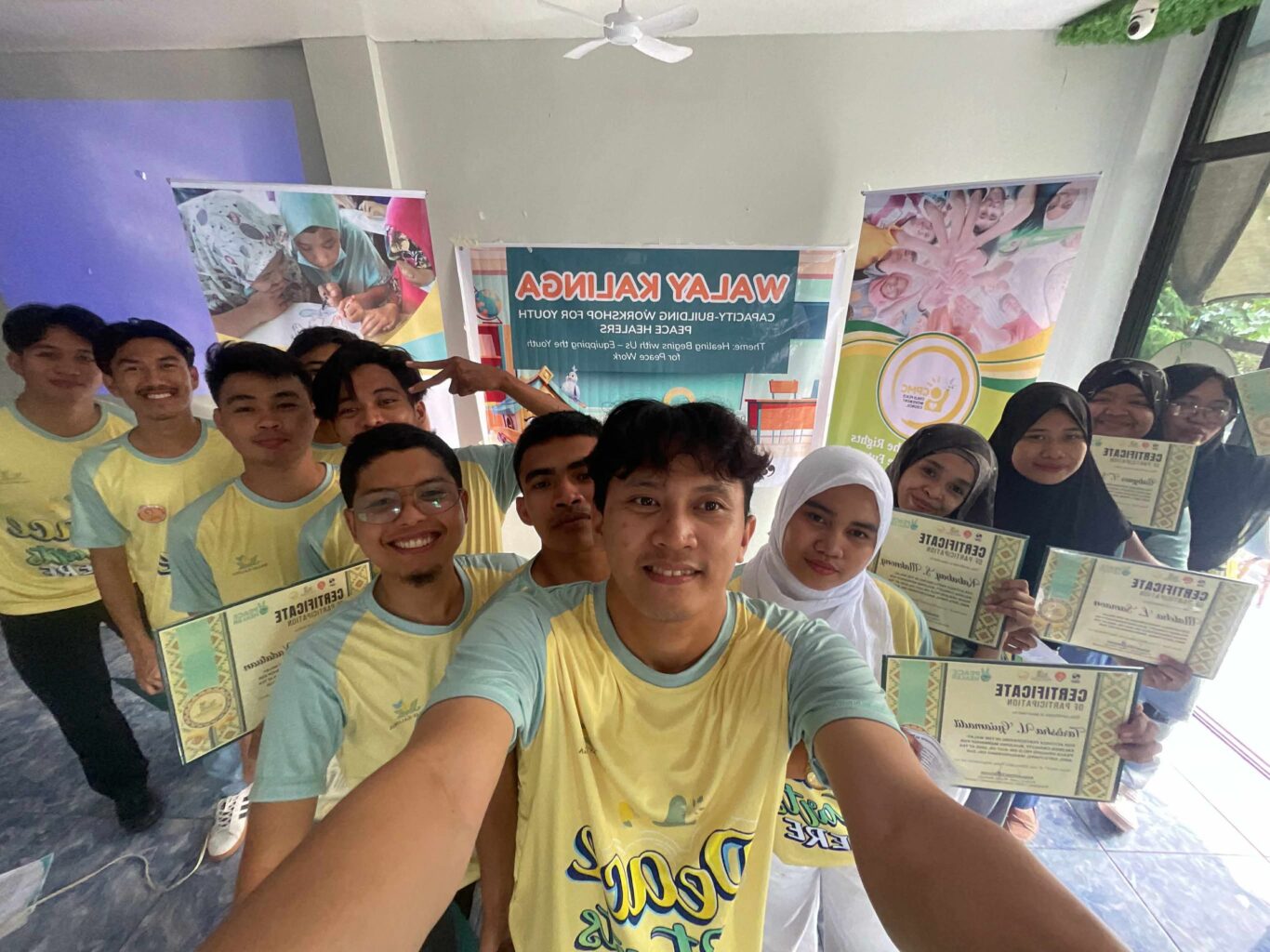
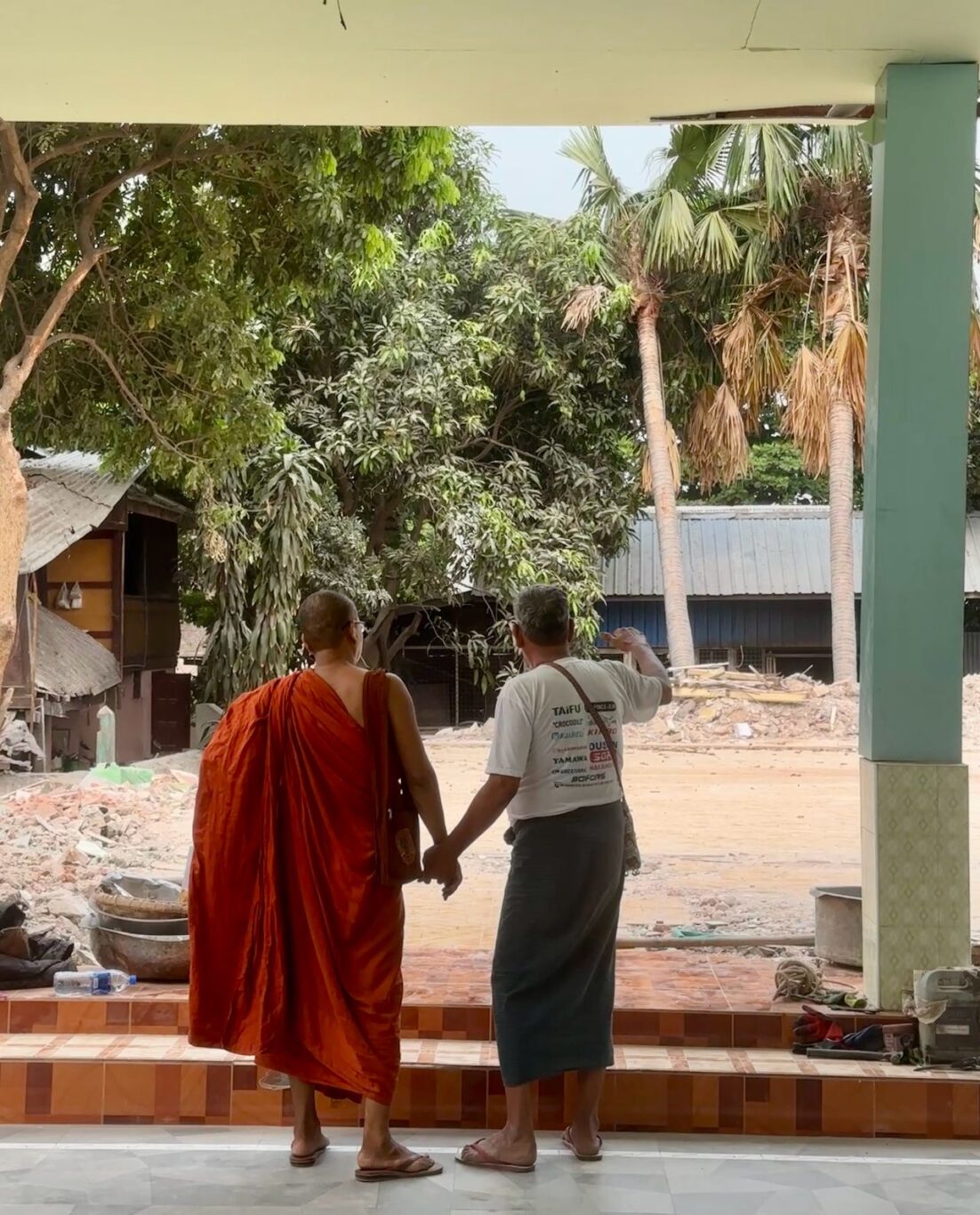
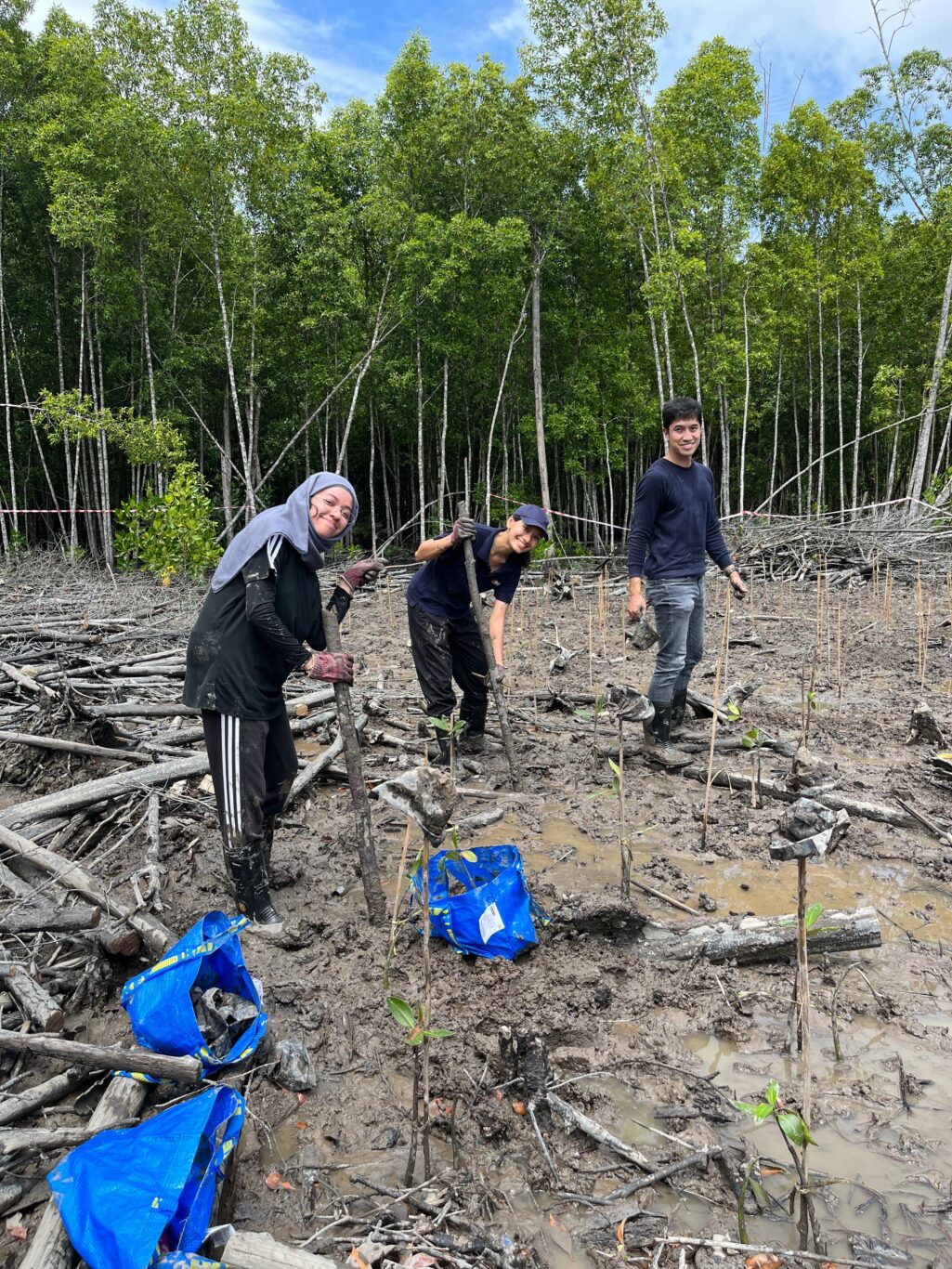
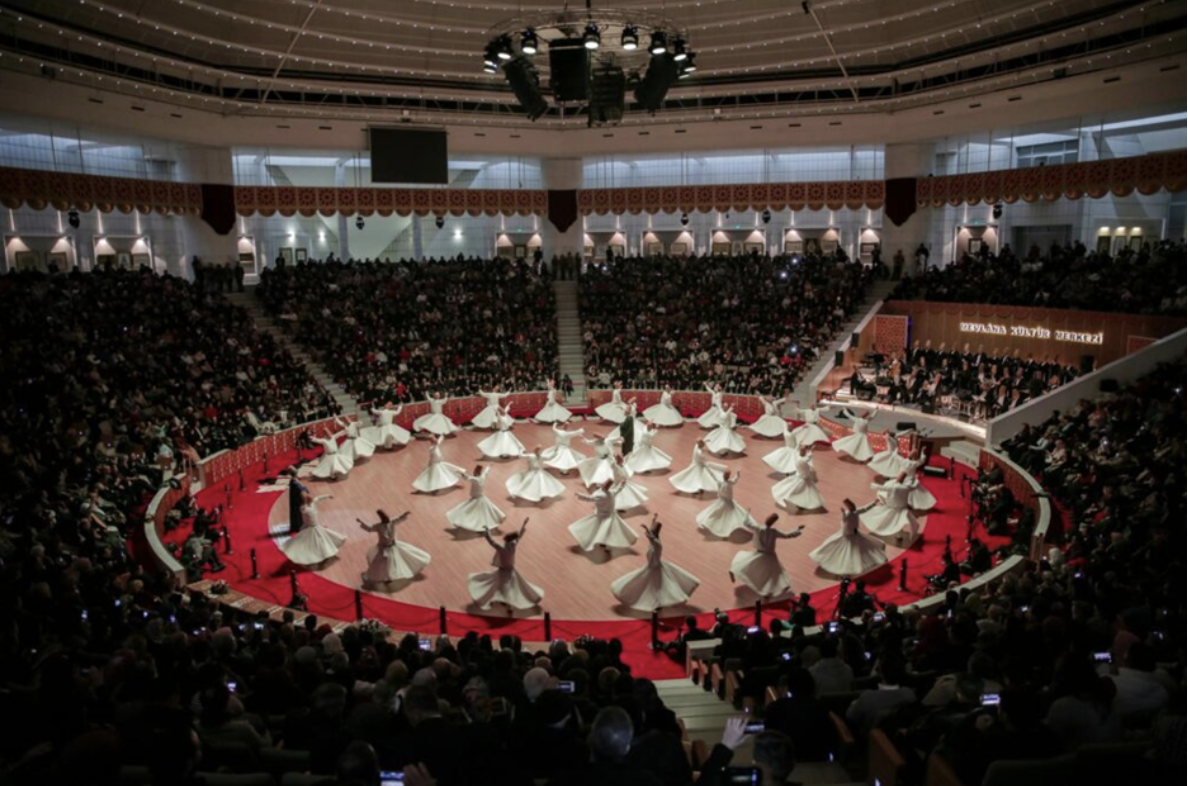
Across these pages, you will find a symphony of responses — essays and reflections, poems and provocations — each an attempt to reimagine what peace can mean in our time. They challenge dominant patterns of peacebuilding, open space for new ways of constructing peace, ground in love and spiritual awakening, and call young people to rise with courage, justice, and imagination. They explore practices of peace through servant leadership and more, highlight peacebuilder stories that demonstrate how peace often begins at the kitchen table long before it reaches the negotiation room. They remind us that peace is planetary, and the road to peace is inseparable from the road to ecological balance.
Peace Prospects exists to bridge research and practice, imagination and action. May these reflections remind us that peace is not a distant horizon, but a living practice — one that must be reimagined, renewed, and relearned by every generation.
Peace, at its heart, is the act of beginning again — and radical hope is where that act begins.